Mục lục
This comprehensive guide, Chinese tea culture explained for beginners, introduces the world’s oldest and most sophisticated beverage traditions. With China producing over 2.5 million tons of tea annually – about 40% of global output – tea is woven into daily life. Whether you’re a curious newcomer or budding connoisseur, this guide will walk you through the history, types, ceremonies, and health benefits of Chinese tea.
The History of Tea in China: From Legend to Daily Ritual
According to Chinese legend, Emperor Shennong discovered tea in 2737 BCE when a leaf fell into his boiling water. This serendipitous event marked the start of a beverage that evolved from medicinal herb to cultural cornerstone. Tea drinking spread from the imperial court to monasteries and then to every household. The Tang Dynasty (618–907) saw the first definitive book on tea, Cha Jing (The Classic of Tea) by Lu Yu, which standardized cultivation and preparation.
Major Types of Chinese Tea: Six Categories to Know
China boasts over 1,000 tea varieties, classified into six main categories by processing method:
- Green Tea: Unoxidized, fresh and grassy. Famous examples: Longjing (Dragon Well), Biluochun.
- Black Tea (Hong Cha): Fully oxidized, robust and malty. Examples: Keemun, Yunnan Dianhong.
- Oolong Tea: Partially oxidized, flavor from floral to toasty. Examples: Tieguanyin, Da Hong Pao.
- White Tea: Minimally processed, light and delicate. Example: Baihao Yinzhen (Silver Needle).
- Yellow Tea: Rare, slightly fermented, mellow. Example: Junshan Yinzhen.
- Dark Tea (Hei Cha): Post-fermented, earthy and complex. The most famous is Pu-erh, which can be aged for decades and is often compressed into cakes or bricks.
The Art of Chinese Tea Ceremony: Gongfu Cha and Cha Dao
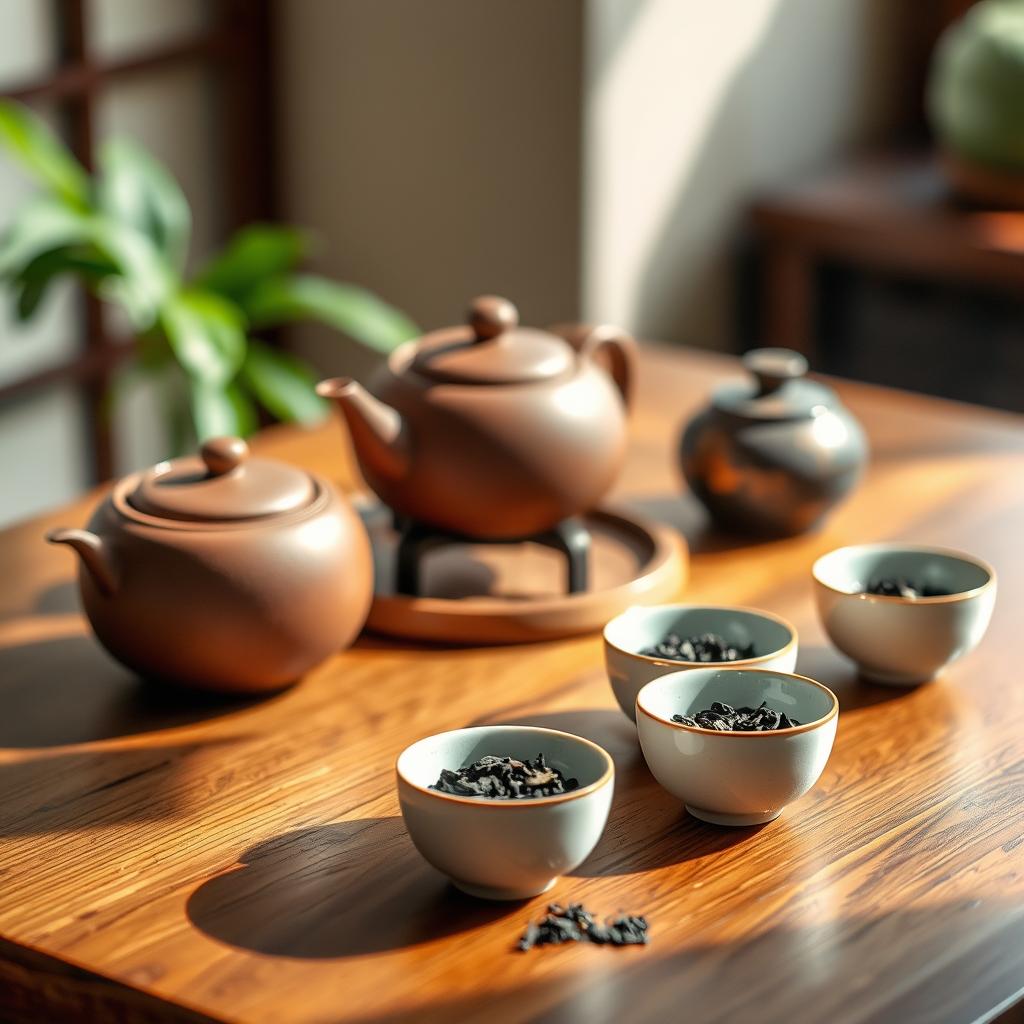
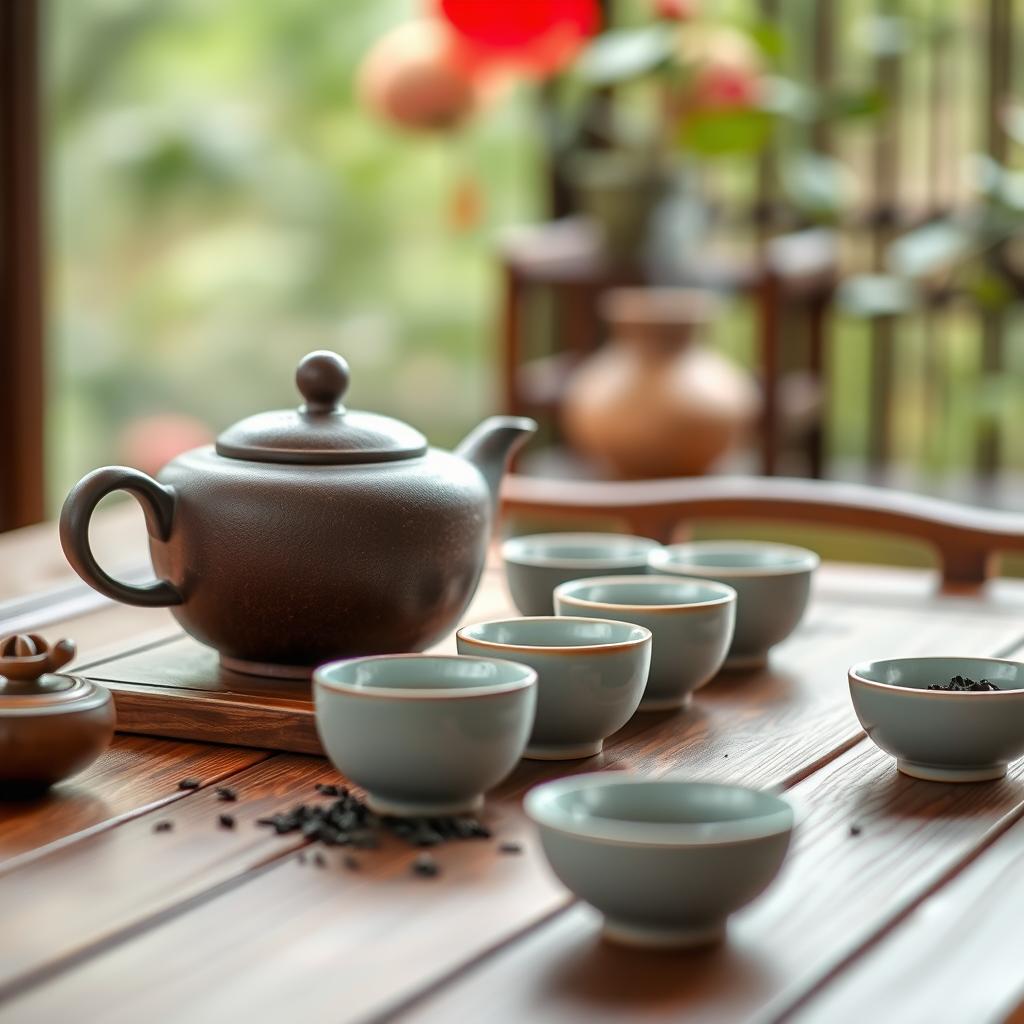
The Chinese tea ceremony, Gongfu Cha (“making tea with skill”), originated in the Ming Dynasty. It emphasizes multiple short infusions using small teaware to extract the full flavor profile. Key utensils include:
- Yixing clay teapot: Unglazed pot that absorbs tea oils and enhances flavor over time.
- Gaiwan: Lidded bowl for brewing and drinking.
- Cha He (tea tray): Bamboo or stone tray to catch spilled water.
- Cha Ze (tea scoop) and Cha Xian (tea needle): For handling dry leaves.
Beyond the ritual, Cha Dao (the Way of Tea) is a philosophical practice embodying harmony, respect, purity, and tranquility. It’s a meditative experience that slows the mind.
Tea and Health: Traditional Chinese Medicinal Benefits
Chinese medicine views tea as a natural remedy. Green tea is cooling and aids digestion; black tea warms the stomach; oolong helps with weight management; Pu-erh is believed to lower cholesterol. Modern research supports many claims: tea is rich in antioxidants called catechins, which may reduce inflammation and improve heart health.
Modern Tea Culture in China: Trends and Global Influence
Today, China’s tea culture thrives. Bubble tea (milk tea with tapioca pearls) has taken the world by storm, but traditional tea houses are experiencing a revival among young urbanites seeking mindfulness. China exports about 350,000 tons of tea annually to countries like Morocco, Ghana, and the United States. The global tea market continues to grow, with Chinese green and oolong teas highly prized.
How to Start Your Own Chinese Tea Journey: Beginner Tips
- Start with a versatile tea: A high-quality green like Longjing or a floral oolong like Tieguanyin.
- Invest in a simple gaiwan: It’s affordable and easy for multiple steeps.
- Use good water: Filtered or spring water at the right temperature (green: 160-180°F; oolong: 190-200°F; black: 200-212°F).
- Experiment with steeping times: Start with 20-30 seconds for oolong and adjust to taste.
- Explore local tea shops or online retailers specializing in Chinese teas.
FAQ
1. What is the best Chinese tea for a beginner?
Green tea or lightly oxidized oolong are approachable choices. Longjing (Dragon Well) is mild, nutty, and forgiving to brew.
2. How is Chinese tea different from Japanese tea?
Chinese teas are often pan-fired (giving a toasty flavor), while Japanese teas are steamed (resulting in a grassy, vegetal taste). Chinese tea culture emphasizes the Gongfu ceremony; Japan focuses on the formal matcha ceremony.
3. Do I need special equipment to enjoy Chinese tea?
Not necessarily. A simple glass or porcelain cup works for basic brewing. For the full experience, a gaiwan or small teapot is recommended but not required.
4. Can Chinese tea help with weight loss?
While no tea is a magic bullet, oolong and Pu-erh are traditionally associated with boosting metabolism and aiding digestion. Combined with a healthy diet, they may support weight management.
5. How should I store Chinese tea?
Store in an airtight container away from light, heat, moisture, and strong odors. Different teas have different shelf lives: green tea best within a year, oolong up to two years, Pu-erh improves with age.
Conclusion
Chinese tea culture is a vast and rewarding world anyone can explore. From legendary origins to intricate ceremonies, each cup tells a story of history, craftsmanship, and mindfulness. Start with a simple brew and let the journey unfold. Whether you drink for health, flavor, or spiritual connection, Chinese tea offers a lifetime of discovery.
For more about our mission, visit our About Us page. If you have questions, feel free to contact us. Please review our Privacy Policy and Disclaimer for more information.