China installed more solar capacity in 2023 than the entire United States has ever built. Discover how and why this country became the world’s renewable energy superpower.
Ready
EN
Mục lục
Why China is leading the world in renewable energy
Table of Contents
Solar Power Dominance: Record Installations and Manufacturing Scale
Wind Energy Leadership: Massive Onshore and Offshore Capacity
Government Policies: Subsidies, Targets, and the 14th Five-Year Plan
Technological Innovations: Ultra-High-Voltage Transmission and Smart Grids
Global Impact: Driving Down Costs and Supplying the World
Challenges: Grid Integration, Coal Dependency, and Environmental Concerns
Frequently Asked Questions
Conclusion
Why China is leading the world in renewable energy
Did you know that in 2023 alone, China installed more solar panels than the entire solar capacity of the United States? This astonishing feat is just one reason why Why China is leading the world in renewable energy. With record-breaking installations, massive manufacturing scale, and ambitious government policies, China has become the undisputed global powerhouse in clean energy. In this article, we explore the key factors behind China’s renewable energy dominance and what it means for the world.
Table of Contents
Solar Power Dominance
Wind Energy Leadership
Government Policies
Technological Innovations
Global Impact
Challenges
FAQ
Conclusion
Solar Power Dominance: Record Installations and Manufacturing Scale
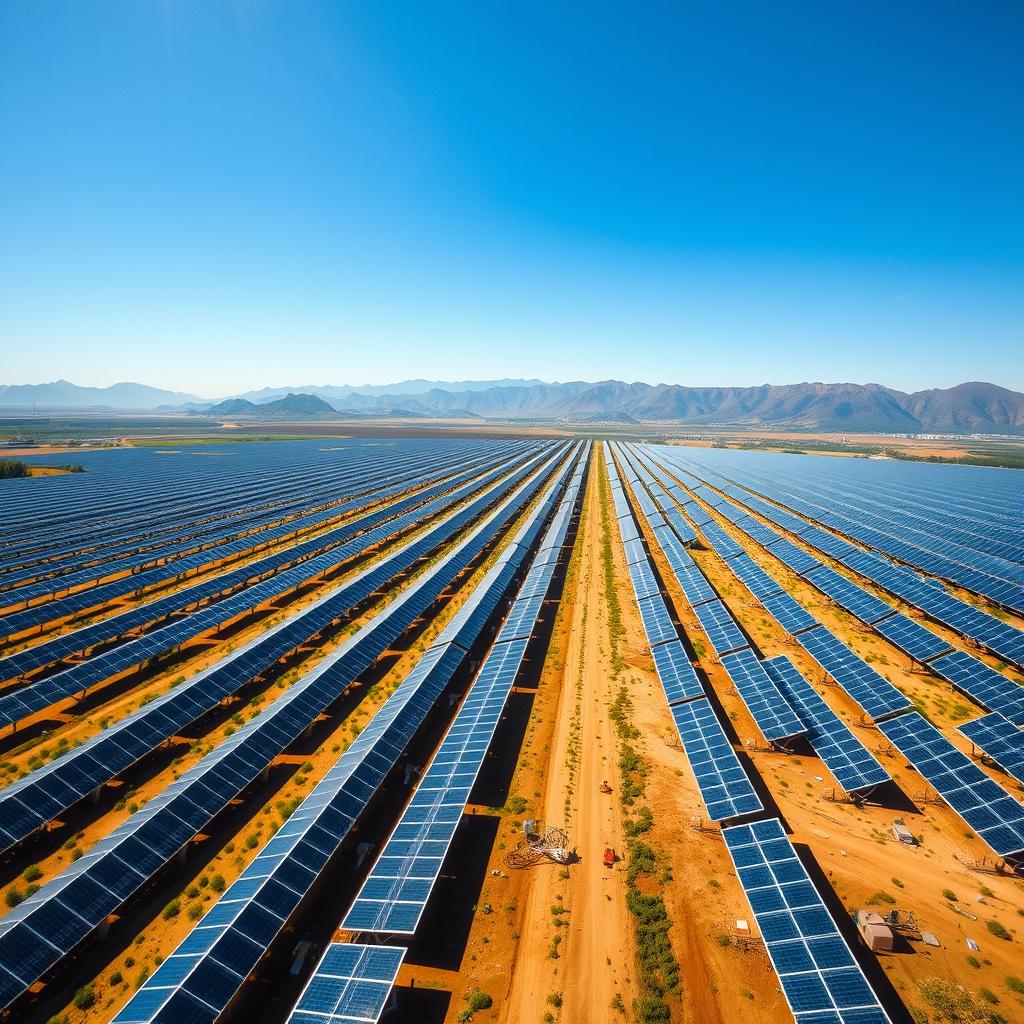
China’s solar photovoltaic (PV) industry is in a league of its own. According to the International Energy Agency (IEA), China installed a staggering 216.9 gigawatts (GW) of new solar capacity in 2023 — more than the entire solar fleet of the United States at that time. For perspective, the US had about 113 GW of total installed solar capacity by the end of 2023, meaning China added nearly twice that in a single year.
This incredible growth is fueled by China’s dominance in solar panel manufacturing. The country produces approximately 80% of the world’s solar panels, with a manufacturing capacity now exceeding 1,000 GW per year. Companies like Longi Green Energy, JinkoSolar, and Trina Solar are global household names. This scale has driven costs down dramatically — solar PV module prices have fallen by over 90% since 2010, making solar power cheaper than coal in many parts of the world.
216.9 GW of new solar PV installed in 2023
80% of global solar panel production
Manufacturing capacity >1,000 GW per year
Wind Energy Leadership: Massive Onshore and Offshore Capacity
China is also a colossus in wind energy. As of 2023, the country accounted for 37% of the world’s total wind power capacity, with over 350 GW installed — more than double that of the United States or Germany. Onshore wind farms span vast areas in Inner Mongolia, Xinjiang, and Gansu, while offshore wind is growing rapidly. In 2022, China added more offshore wind capacity than the entire world had installed in the previous five years combined.
Chinese manufacturers now produce the world’s largest wind turbines. For instance, CSSC Haizhuang unveiled a 16-megawatt (MW) offshore turbine in 2023, with a rotor diameter of over 250 meters — taller than the London Eye. These mega-turbines can power tens of thousands of homes each.
Government Policies: Subsidies, Targets, and the 14th Five-Year Plan
Strong government backing is a crucial driver behind China’s renewable energy boom. The Chinese government has set ambitious targets: peak carbon emissions by 2030 and achieve carbon neutrality by 2060. The 14th Five-Year Plan for Renewable Energy (2021-2025) calls for non-fossil fuels to account for 20% of primary energy consumption by 2025, and 25% by 2030.
Supportive policies include:
Feed-in tariffs and subsidies for early-stage projects
Mandatory renewable portfolio standards for utilities
Massive investment in grid infrastructure, such as ultra-high-voltage (UHV) transmission lines
National carbon trading market launched in 2021
These policies have created a favorable environment for rapid renewable energy deployment. China also invests heavily in research and development, particularly in energy storage, smart grids, and hydrogen.
Technological Innovations: Ultra-High-Voltage Transmission and Smart Grids
One of China’s most innovative renewable energy solutions is its ultra-high-voltage (UHV) transmission system. Since renewable resources like solar and wind are concentrated in the sparsely populated west and north, while demand is in the coastal east, China has built a network of UHV lines that can transmit electricity over 3,000 km with minimal losses. The ±1100 kV UHV DC line from Xinjiang to Anhui, for example, can carry 12 GW — enough to power millions of homes.
Smart grids are also being deployed to manage the variability of renewables. Advanced forecasting, battery storage, and demand response help integrate higher shares of wind and solar. China’s installed battery storage capacity is growing rapidly, with over 20 GW added in 2023 alone.
Global Impact: Driving Down Costs and Supplying the World
China’s massive scale in renewable energy has a profound global impact. By producing vast quantities of solar panels, wind turbines, and batteries, China has slashed costs worldwide. According to the International Renewable Energy Agency (IRENA), China’s manufacturing scale has been the single biggest factor in reducing the cost of solar and wind energy.
The country is also the world’s largest exporter of renewable energy equipment. Many clean energy projects in Africa, Asia, and Europe rely on Chinese components. This has accelerated global renewable energy adoption but also raised concerns about trade imbalances and supply chain dependency.
Challenges: Grid Integration, Coal Dependency, and Environmental Concerns
Despite this stunning progress, China faces significant challenges. The grid is still heavily reliant on coal, which accounts for about 60% of electricity generation. While renewable capacity is soaring, actual generation from non-fossil sources still lags. Integrating intermittent wind and solar into the grid requires massive investments in storage and transmission, plus reforming power market rules.
Environmental concerns also exist. The manufacturing of solar panels, especially polysilicon, is energy-intensive and can cause pollution if not properly managed. Wind turbines have land-use issues and affect wildlife. Moreover, as renewable equipment ages, waste management will become a problem.
But the Chinese government is aware of these issues and is investing in solutions, including advanced recycling technologies and stricter environmental standards for manufacturing.
Frequently Asked Questions
How much does China invest in renewable energy each year?
According to the IEA, China invested over $137 billion in renewable energy in 2022—more than any other country.
Is China still building new coal-fired power plants?
China still approves new coal plants, but permits have slowed. Many are intended to provide backup for renewables, not baseload power. The government aims to peak coal consumption before 2030.
How does China’s renewable energy capacity compare to the United States?
China has more than three times the renewable energy capacity of the US, with over 1,200 GW of wind and solar combined, compared to about 400 GW in the US.
How is China managing the variability of solar and wind power?
China is investing heavily in pumped hydro storage (over 30 GW), battery storage (over 20 GW added in 2023), smart grids, and ultra-high-voltage transmission to balance supply and demand.
Does China’s renewable energy growth reduce its air pollution?
Yes, increased renewable generation has helped reduce coal consumption per unit of GDP, improving air quality in cities like Beijing. However, absolute emissions remain high due to overall economic growth.
Conclusion
China’s renewable energy leadership is the result of a powerful combination: ambitious government policies, massive manufacturing scale, technological innovation, and relentless investment. From adding more solar capacity in a year than the US has ever built, to constructing the world’s largest wind turbines, China is driving the global energy transition. While challenges remain, the country’s commitment to carbon neutrality by 2060 (and possibly earlier) signals that it is determined to lead the world into a clean energy future.
Mục lục
Why China is leading the world in renewable energy
Did you know that in 2023 alone, China installed more solar panels than the entire solar capacity of the United States? This astonishing feat is just one reason why Why China is leading the world in renewable energy. With record-breaking installations, massive manufacturing scale, and ambitious government policies, China has become the undisputed global powerhouse in clean energy. In this article, we explore the key factors behind China’s renewable energy dominance and what it means for the world.
Solar Power Dominance: Record Installations and Manufacturing Scale
China’s solar photovoltaic (PV) industry is in a league of its own. According to the International Energy Agency (IEA), China installed a staggering 216.9 gigawatts (GW) of new solar capacity in 2023 — more than the entire solar fleet of the United States at that time. For perspective, the US had about 113 GW of total installed solar capacity by the end of 2023, meaning China added nearly twice that in a single year.
This incredible growth is fueled by China’s dominance in solar panel manufacturing. The country produces approximately 80% of the world’s solar panels, with a manufacturing capacity now exceeding 1,000 GW per year. Companies like Longi Green Energy, JinkoSolar, and Trina Solar are global household names. This scale has driven costs down dramatically — solar PV module prices have fallen by over 90% since 2010, making solar power cheaper than coal in many parts of the world.
216.9 GW of new solar PV installed in 2023
80% of global solar panel production
Manufacturing capacity >1,000 GW per year
Wind Energy Leadership: Massive Onshore and Offshore Capacity
China is also a colossus in wind energy. As of 2023, the country accounted for 37% of the world’s total wind power capacity, with over 350 GW installed — more than double that of the United States or Germany. Onshore wind farms span vast areas in Inner Mongolia, Xinjiang, and Gansu, while offshore wind is growing rapidly. In 2022, China added more offshore wind capacity than the entire world had installed in the previous five years combined.
Chinese manufacturers now produce the world’s largest wind turbines. For instance, CSSC Haizhuang unveiled a 16-megawatt (MW) offshore turbine in 2023, with a rotor diameter of over 250 meters — taller than the London Eye. These mega-turbines can power tens of thousands of homes each.
Government Policies: Subsidies, Targets, and the 14th Five-Year Plan
Strong government backing is a crucial driver behind China’s renewable energy boom. The Chinese government has set ambitious targets: peak carbon emissions by 2030 and achieve carbon neutrality by 2060. The 14th Five-Year Plan for Renewable Energy (2021-2025) calls for non-fossil fuels to account for 20% of primary energy consumption by 2025, and 25% by 2030.
Supportive policies include:
Feed-in tariffs and subsidies for early-stage projects
Mandatory renewable portfolio standards for utilities
Massive investment in grid infrastructure, such as ultra-high-voltage (UHV) transmission lines
National carbon trading market launched in 2021
These policies have created a favorable environment for rapid renewable energy deployment. China also invests heavily in research and development, particularly in energy storage, smart grids, and hydrogen.
Technological Innovations: Ultra-High-Voltage Transmission and Smart Grids
One of China’s most innovative renewable energy solutions is its ultra-high-voltage (UHV) transmission system. Since renewable resources like solar and wind are concentrated in the sparsely populated west and north, while demand is in the coastal east, China has built a network of UHV lines that can transmit electricity over 3,000 km with minimal losses. The ±1100 kV UHV DC line from Xinjiang to Anhui, for example, can carry 12 GW — enough to power millions of homes.
Smart grids are also being deployed to manage the variability of renewables. Advanced forecasting, battery storage, and demand response help integrate higher shares of wind and solar. China’s installed battery storage capacity is growing rapidly, with over 20 GW added in 2023 alone.
Global Impact: Driving Down Costs and Supplying the World
China’s massive scale in renewable energy has a profound global impact. By producing vast quantities of solar panels, wind turbines, and batteries, China has slashed costs worldwide. According to the International Renewable Energy Agency (IRENA), China’s manufacturing scale has been the single biggest factor in reducing the cost of solar and wind energy.
The country is also the world’s largest exporter of renewable energy equipment. Many clean energy projects in Africa, Asia, and Europe rely on Chinese components. This has accelerated global renewable energy adoption but also raised concerns about trade imbalances and supply chain dependency.
Challenges: Grid Integration, Coal Dependency, and Environmental Concerns
Despite this stunning progress, China faces significant challenges. The grid is still heavily reliant on coal, which accounts for about 60% of electricity generation. While renewable capacity is soaring, actual generation from non-fossil sources still lags. Integrating intermittent wind and solar into the grid requires massive investments in storage and transmission, plus reforming power market rules.
Environmental concerns also exist. The manufacturing of solar panels, especially polysilicon, is energy-intensive and can cause pollution if not properly managed. Wind turbines have land-use issues and affect wildlife. Moreover, as renewable equipment ages, waste management will become a problem.
But the Chinese government is aware of these issues and is investing in solutions, including advanced recycling technologies and stricter environmental standards for manufacturing.
Frequently Asked Questions
How much does China invest in renewable energy each year?
According to the IEA, China invested over $137 billion in renewable energy in 2022—more than any other country.
Is China still building new coal-fired power plants?
China still approves new coal plants, but permits have slowed. Many are intended to provide backup for renewables, not baseload power. The government aims to peak coal consumption before 2030.
How does China’s renewable energy capacity compare to the United States?
China has more than three times the renewable energy capacity of the US, with over 1,200 GW of wind and solar combined, compared to about 400 GW in the US.
How is China managing the variability of solar and wind power?
China is investing heavily in pumped hydro storage (over 30 GW), battery storage (over 20 GW added in 2023), smart grids, and ultra-high-voltage transmission to balance supply and demand.
Does China’s renewable energy growth reduce its air pollution?
Yes, increased renewable generation has helped reduce coal consumption per unit of GDP, improving air quality in cities like Beijing. However, absolute emissions remain high due to overall economic growth.
Conclusion
China’s renewable energy leadership is the result of a powerful combination: ambitious government policies, massive manufacturing scale, technological innovation, and relentless investment. From adding more solar capacity in a year than the US has ever built, to constructing the world’s largest wind turbines, China is driving the global energy transition. While challenges remain, the country’s commitment to carbon neutrality by 2060 (and possibly earlier) signals that it is determined to lead the world into a clean energy future.
From the world's largest network to the fastest trains and impeccable safety, China's high-speed rail sets global standards. Explore the key reasons behind its success.
Wondering if WeChat Pay is safe for foreigners? This guide covers encryption, 2FA, privacy, setup steps, and real-world safety tips to help you pay with confidence in China.
Are Chinese cars any good? In 2025, the answer is a strong yes. This review covers safety, quality, EV innovation, and value for money, with data from Euro NCAP, J.D. Power, and more.
4 thoughts on “Why China is leading the world in renewable energy”
I traveled through Gansu and saw the massive solar farms. Does China export this technology to other countries?


I traveled through Gansu and saw the massive solar farms. Does China export this technology to other countries?
I work in energy policy and this article confirmed a lot of what I suspected. Are there any specific provinces that are ahead of others?
It’s amazing how fast they’ve scaled up solar and wind. Are there any plans for more nuclear plants too?
Incredible progress! I’m curious about energy storage – are they also leading in battery technology for solar and wind?