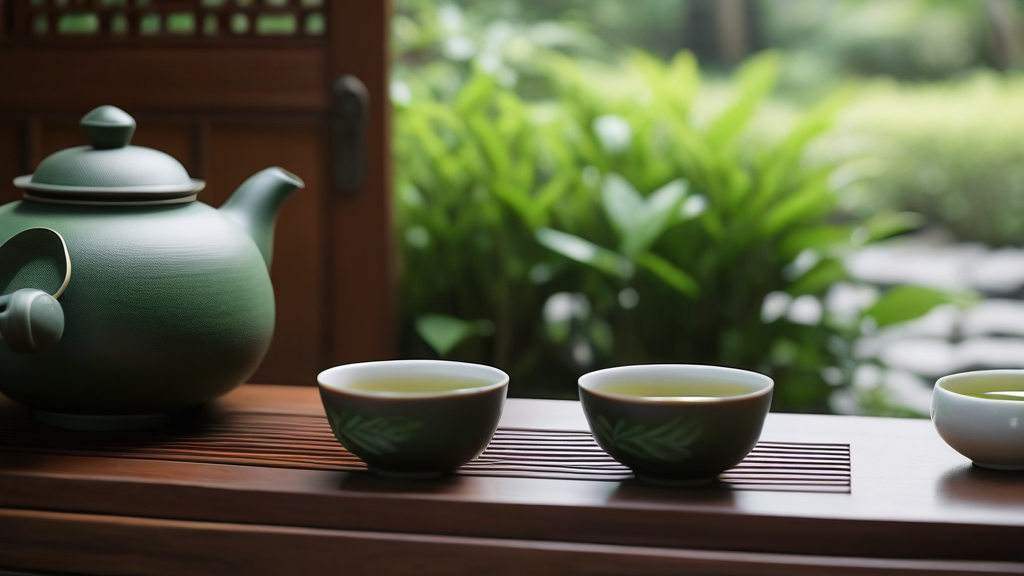
I’ve spent eight years drinking my way through China’s tea scene — from ¥5 street-side cups in Chengdu to ¥500 sessions in Hangzhou tea houses. Here’s
Ready
EN
I’ll be honest with you: when I first moved to China in 2018, I thought tea was tea. You boil water, throw in a bag, wait a bit, drink. Simple.
Boy, was I wrong.
Eight years later, I’ve got a dedicated tea table in my Shanghai apartment, a cabinet full of leaves I’m slightly embarrassed to admit I spent more on than my last flight home, and opinions — strong ones — about water temperature. So let me save you some time (and probably some bad tea experiences) with this guide to Chinese tea culture for beginners.
Where It All Began: A Very Quick History
Tea wasn’t always China’s national drink. Legend says Emperor Shen Nong discovered it around 2737 BC when a tea leaf accidentally fell into his boiling water. He found it refreshing, and well, the rest is 5,000 years of history.
By the Tang Dynasty (618-907 AD), tea was so central to Chinese life that a guy named Lu Yu wrote “The Classic of Tea” — the world’s first book entirely about tea. And I thought I was dedicated when I wrote a blog post about it.
Fast forward to 2026, and China produces about 3.1 million metric tons of tea annually — that’s roughly 40% of the world’s total production, according to the China Tea Marketing Association. The domestic market alone is worth over ¥340 billion (about $47 billion). For context, that’s more than the entire coffee industry in most countries. Over 800 million Chinese people drink tea regularly — that’s more than the entire population of Europe.
The Six Types of Chinese Tea (and One Wild Card)
Here’s where most beginners get confused. All tea comes from the same plant — *Camellia sinensis*. The difference is how it’s processed. Oxidation is the key. Think of it like an avocado: leave it out too long and it changes color and flavor. Same logic, different plant.
Tea Type
Oxidation Level
Flavor Profile
Brewing Temp
Brewing Time
Famous Examples
Green Tea (绿茶)
0% (unoxidized)
Fresh, grassy, slightly sweet
70-80°C
1-3 min
Longjing, Biluochun
Yellow Tea (黄茶)
~10%
Mellow, smooth, no grassiness
75-85°C
2-3 min
Junshan Yinzhen
White Tea (白茶)
~10-15% (wilted)
Light, floral, subtly sweet
75-85°C
2-4 min
Baihao Yinzhen, Shou Mei
Oolong (乌龙茶)
10-70%
Complex — floral to toasty
85-95°C
1-5 min
Tieguanyin, Dahongpao
Black Tea (红茶)
80-100%
Rich, malty, bold
90-100°C
2-5 min
Qimen Hongcha, Dianhong
Dark Tea (黑茶)
Post-fermented
Earthy, smooth, aged
95-100°C
Brief rinse + steep
Pu’er (ripe & raw)
**Important note:** What Westerners call “black tea” is *hongcha* (红茶) in Chinese — literally “red tea.” What Chinese call “dark tea” (*heicha*, 黑茶) is a separate category. Confusing? Yes. Welcome to tea nerd territory.
Green Tea: The Gateway
Green tea is where most people start, and for good reason. It’s China’s most popular tea — roughly 60% of domestic tea consumption. The leaves are pan-fired or steamed to stop oxidation, locking in that fresh, vegetal flavor.
**Longjing (Dragon Well)** is the celebrity of green teas. It’s grown near Hangzhou’s West Lake, and real Longjing from the protected region costs anywhere from ¥800 to ¥8,000 per jin (500g). Yes, you read that right. I once visited a Longjing plantation in 2024 and watched a farmer hand-sort leaves for a solid 20 minutes before declaring a batch “acceptable.” That’s the level of obsession we’re talking about.
A friend of mine picked up a box of “Longjing” for ¥50 at a tourist shop in Hangzhou. It was brown. It tasted like old grass clippings. Green tea should be green — if it’s brown, it’s either old or fake. Simple rule.
**Biluochun** is another favorite of mine — from Jiangsu’s Dongting Mountain region, these tiny curled leaves produce a delicate, fruity liquor that smells almost like apricots. A decent Biluochun runs about ¥400-1,000 per jin. It’s worth every yuan.
**Pro tip for beginners:** Don’t use boiling water on green tea. I know it’s tempting to just boil the kettle and go, but boiling water will scorch green tea leaves and make them bitter. Aim for 75-80°C. If you don’t have a thermometer, let boiling water sit for 3-4 minutes before pouring.
Oolong: The Middle Child (And My Personal Favorite)
Oolong is the Goldilocks of Chinese tea — not too green, not too black. The oxidation can range from 10% (nearly green) to 70% (nearly black), which means there’s an oolong for every palate.
**Tieguanyin (Iron Goddess of Mercy)** from Fujian province is the most famous. At around 15-30% oxidation, it’s floral, creamy, and has this weirdly addictive orchid aroma. A decent Tieguanyin will run you ¥200-600 per jin. The seriously good stuff — “Grade A” from Anxi County — can hit ¥2,000+. I took a box back to England once and my dad, a lifelong Earl Grey drinker, said “this is the best cup of tea I’ve ever had.” High praise from a Yorkshireman.
**Dahongpao (Big Red Robe)** is the other famous one — heavily oxidized, roasted, thick. The original bushes on Wuyi Mountain are over 350 years old, and one 20-gram sample of the real thing sold for ¥208,000 at auction in 2021. I’ve never tried it. I’d probably be too nervous to enjoy it anyway. Most of what’s sold as Dahongpao today is actually a blend made from cuttings of those original bushes. Still good. Still expensive. But not “¥10,000 per gram” expensive.
Pu’er: The One That Scares Beginners
Pu’er is the weird uncle of Chinese tea. It’s aged, fermented, and smells like — let’s be real — damp earth, old books, and mushrooms. My first pu’er tasted like someone had brewed dirt from a forest floor. I hated it.
Now I love it. Funny how that works.
Pu’er comes in two main types:
**Sheng (Raw) Pu’er:** Made traditionally, aged naturally for years. The flavor changes dramatically over time — a 5-year-old sheng is sharp and floral; a 20-year-old one is smooth, medicinal, and complex. Starts rough, ages like fine wine.
**Shou (Ripe) Pu’er:** An accelerated fermentation process invented in the 1970s to mimic aged pu’er in months instead of decades. Earthy, mellow, approachable. This is what most beginners should try first.
A 2026 study by the China Agricultural University found that properly aged pu’er (10+ years) contains higher levels of theabrownin, a compound linked to gut health and lower cholesterol. A separate 2025 study from Yunnan University also confirmed that regular pu’er drinkers showed 15% lower LDL cholesterol levels compared to non-tea drinkers. So that’s my excuse for spending ¥1,200 on a 2015 cake last month.
**Price range:** A decent ripe pu’er cake (357g, standard size) costs ¥100-300. Raw pu’er from a famous mountain like Yiwu or Bingdao? ¥500-5,000+. Some vintage cakes from the 1980s have sold for over ¥500,000 at auction. Yes, half a million yuan for a tea cake. People collect them like wine.
How Chinese People Actually Drink Tea
Here’s something that surprised me as a Brit: the Chinese don’t typically use teabags. At home, most people have a simple glass or ceramic cup. They toss in some leaves, pour hot water, and keep adding water throughout the day. The leaves stay in the cup. It’s called “grandpa style” (laoban bei) and it’s very common. My office colleague Mr. Zhang has been using the same glass mug for years — the inside is stained dark brown from decades of tea. He wouldn’t dream of washing it off. “That’s the flavor,” he says.
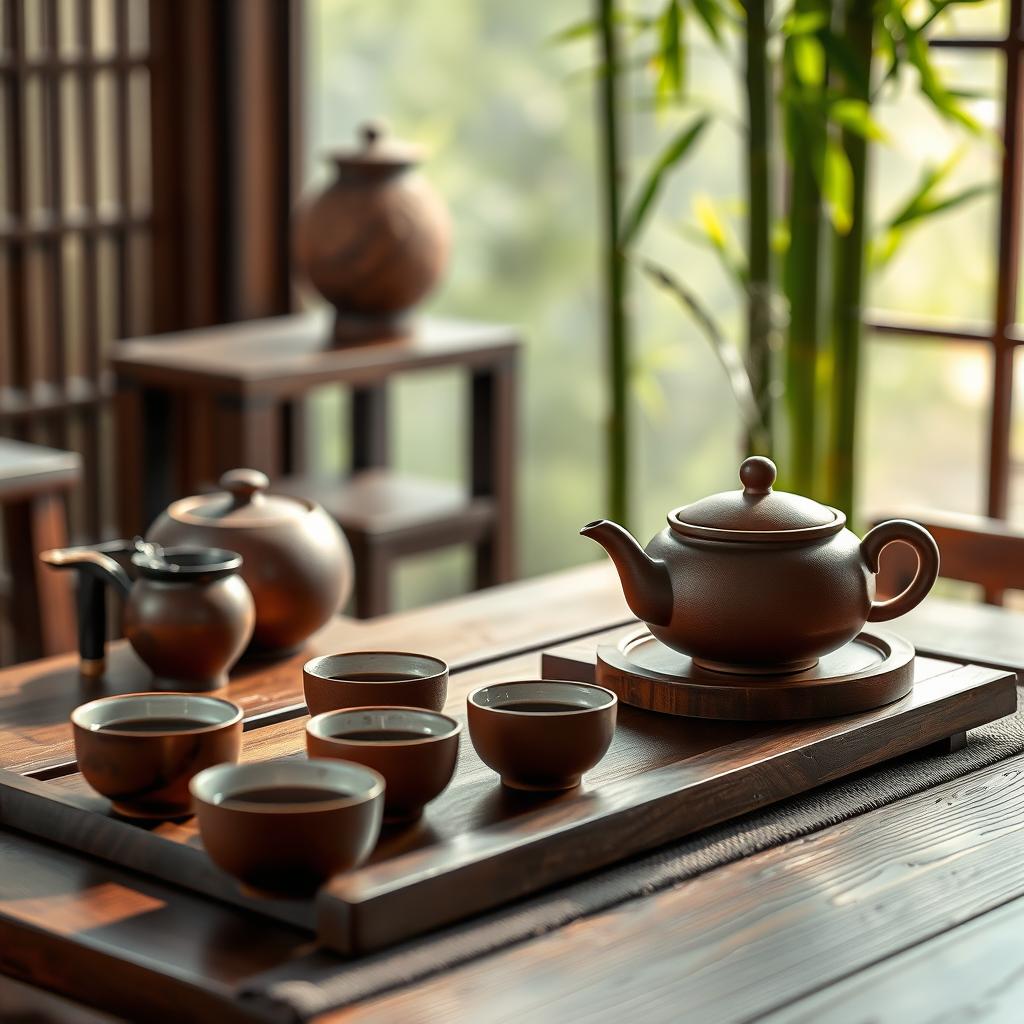
But for serious tea drinking, you’ll see the **gongfu cha** (功夫茶) method — literally “kung fu tea.” It’s an elaborate ritual using a small clay teapot (Yixing clay, if you want to get fancy) and tiny cups. The idea is multiple short steeps:
Rinse the leaves briefly (pour hot water in, pour it out immediately — this “wakes up” the leaves)
First steep: 10-20 seconds
Pour into a fairness pitcher (gongdaobei) so every cup has the same strength
Serve in tiny cups (about 30ml each)
Repeat 5-10 times, adding 5-10 seconds each time
I timed a proper gongfu session with a tea master in Guangzhou in 2024: it lasted nearly an hour and went through 12 infusions from the same leaves. The flavor changed completely between infusion 3 and infusion 8. Infusion 3 was floral and bright. Infusion 8 was deep, almost chocolatey. Same leaves. That’s the magic.
**Quick tip:** You don’t need the fancy setup. A simple gaiwan (盖碗) — a lidded bowl — costs about ¥30 on Taobao and does the same job. I bought my first one for ¥25 in 2019 and used it for three years before upgrading.
Tea Houses: Where to Go, What to Pay
Tea houses (茶馆, chaguan) in China range from ¥15-a-cup local joints to ¥500-per-person luxury experiences. The first time I walked into a proper teahouse in Chengdu’s People’s Park, I was the only foreigner in a room of about 40 retired Sichuanese men playing mahjong and drinking jasmine tea from thermoses. Nobody spoke English. Nobody cared. The tea was ¥20 and came with unlimited hot water refills. I stayed for four hours. Here’s what I’ve found:
Type
Price per person
What You Get
Where to Find
Local chaguan
¥15-40
Simple tea, older locals playing chess, zero English
Side streets, residential areas
Middle-range
¥50-120
Decent tea, nice setting, English menu sometimes
Near tourist areas, parks
High-end teahouse
¥150-500+
Premium teas, gongfu ceremony, private room, snacks
Old town areas, commercial districts
In 2026, tea tourism is booming. The Yunnan Pu’er Tea Culture Festival in April 2026 drew over 150,000 visitors, according to local tourism boards. Xishuangbanna alone hosts about 1.2 million tea tourists annually. It’s become a legitimate travel niche. Hotels in Pu’er city now offer tea-tasting packages, and you can even do multi-day tours visiting ancient tea mountains.
**My pick for beginners:** Visit the China National Tea Museum in Hangzhou (free entry, English labels) or the Tea Museum in Longjing Village. Or just find a laoban (owner) at a local tea market — like Maliandao in Beijing or the Tea City in Guangzhou — and tell them you’re new to tea. Most will happily let you sample 5-10 teas for free before you buy. That’s how I discovered that I actually like white tea, which I’d never even considered before.
Tea Etiquette: Don’t Embarrass Yourself
Chinese tea culture comes with some unspoken rules. Here’s what I’ve learned the hard way:
**When someone pours tea for you,** tap your index and middle fingers on the table 2-3 times. It’s a “thank you” gesture. Legend says an emperor once poured tea for his servant, and the servant couldn’t bow to thank him (since that would expose the emperor’s identity), so he tapped his fingers instead. True story? Who knows. But everyone does it.
**Don’t drink the first steep** of pu’er or aged oolong. You use it to rinse the leaves and warm the cups. I learned this when a tea master in Kunming looked at me with barely concealed horror as I downed the rinse.
**Refill others’ cups before your own.** It’s a sign of consideration. If you’re the host, keep an eye on everyone’s cups and never let them sit empty.
**When you’ve had enough,** leave your cup full. An empty cup means “more please.”
**Never leave the lid on a teapot you’re not using** — it steams the leaves and ruins the flavor for the next steep. I didn’t know this for my first year of gongfu brewing. I probably drank a lot of sad, over-steamed tea.
5 FAQs About Chinese Tea (That Beginners Actually Ask)
Does green tea have caffeine?
Yes — about 20-45 mg per cup, depending on the leaf-to-water ratio. That’s less than coffee (95 mg per cup) but more than you’d think. A strong pu’er can actually have similar caffeine to a light coffee. I’m caffeine-sensitive and I avoid drinking oolong after 8 PM unless I want to be up until 3 AM. That said, the L-theanine in tea offsets some of the jitters you get from coffee, so the experience is smoother.
Is expensive tea really better?
Yes and no. A ¥200 jin tea is almost always better than a ¥20 one. But once you hit the ¥500+ range, you’re paying for rarity, origin story, and diminishing returns. I’ve had ¥300 tea that I preferred over ¥2,000 tea. Drink what you like, not what the price tag tells you to like. The best way to find your taste? Go to a tea market, sample widely, and buy based on your own palate — not the salesman’s stories.
Can I reuse tea leaves?
Absolutely. Good Chinese tea leaves can be steeped 3-10 times depending on the type. Oolong and pu’er last the longest (8-12 steeps is normal). Green tea gives you 2-3 good steeps before it fades. Don’t throw leaves away after one use — you’re throwing flavor away. I once saw my Chinese colleague use the same oolong leaves all day at his desk, topping up hot water every hour. By steep 6, the flavor was different but still good.
What tea should I start with?
Pick one beginner-friendly tea from each major type and see what clicks. My recommendation: Longjing (green), Tieguanyin (oolong), and a ripe pu’er (dark). Budget about ¥300-500 for all three. If you’re ordering online, try Yunnan Sourcing or TeaVivre — both ship internationally and have reliable quality. Avoid Amazon. The tea on Amazon tends to be stale or mislabeled. And whatever you do, don’t start with a cheap pu’er. If your first experience tastes like a wet barn, you might never come back.
Where can I experience tea culture in China in 2026?
Hangzhou (Longjing), Fuzhou (jasmine tea), Anxi (Tieguanyin), Wuyi Mountain (Dahongpao), and Kunming/Xishuangbanna (Pu’er) are the pilgrimage sites. The 2026 Yunnan Tea Expo in Kunming runs from September 15-20 — I’ll be there, probably spending too much money on cakes I don’t need. If you’re in Shanghai, the Teastone teahouse chain is a good intro: modern, English-friendly, and they serve proper gongfu tea starting at ¥88 per person. Not authentic in the traditional sense, but a comfortable starting point.
A Final Thought
I’ve been drinking Chinese tea for eight years now, and the thing I love most isn’t the flavor — it’s the slowing down. In a country that’s constantly rushing, a tea session forces you to sit still, pay attention, and actually be present. Watching leaves unfurl in hot water, noticing how the flavor shifts over multiple steeps, sharing tiny cups of something good with someone you like — that’s the culture part of “Chinese tea culture.”
So buy some decent leaves. Get a cheap gaiwan. Boil some water (to the right temperature!). Take fifteen minutes. You’ll see what I mean.
I’ll be honest with you: when I first moved to China in 2018, I thought tea was tea. You boil water, throw in a bag, wait a bit, drink. Simple.
Boy, was I wrong.
Eight years later, I’ve got a dedicated tea table in my Shanghai apartment, a cabinet full of leaves I’m slightly embarrassed to admit I spent more on than my last flight home, and opinions — strong ones — about water temperature. So let me save you some time (and probably some bad tea experiences) with this guide to Chinese tea culture for beginners.
Where It All Began: A Very Quick History
Tea wasn’t always China’s national drink. Legend says Emperor Shen Nong discovered it around 2737 BC when a tea leaf accidentally fell into his boiling water. He found it refreshing, and well, the rest is 5,000 years of history.
By the Tang Dynasty (618-907 AD), tea was so central to Chinese life that a guy named Lu Yu wrote “The Classic of Tea” — the world’s first book entirely about tea. And I thought I was dedicated when I wrote a blog post about it.
Fast forward to 2026, and China produces about 3.1 million metric tons of tea annually — that’s roughly 40% of the world’s total production, according to the China Tea Marketing Association. The domestic market alone is worth over ¥340 billion (about $47 billion). For context, that’s more than the entire coffee industry in most countries. Over 800 million Chinese people drink tea regularly — that’s more than the entire population of Europe.
The Six Types of Chinese Tea (and One Wild Card)
Here’s where most beginners get confused. All tea comes from the same plant — *Camellia sinensis*. The difference is how it’s processed. Oxidation is the key. Think of it like an avocado: leave it out too long and it changes color and flavor. Same logic, different plant.
Tea Type
Oxidation Level
Flavor Profile
Brewing Temp
Brewing Time
Famous Examples
Green Tea (绿茶)
0% (unoxidized)
Fresh, grassy, slightly sweet
70-80°C
1-3 min
Longjing, Biluochun
Yellow Tea (黄茶)
~10%
Mellow, smooth, no grassiness
75-85°C
2-3 min
Junshan Yinzhen
White Tea (白茶)
~10-15% (wilted)
Light, floral, subtly sweet
75-85°C
2-4 min
Baihao Yinzhen, Shou Mei
Oolong (乌龙茶)
10-70%
Complex — floral to toasty
85-95°C
1-5 min
Tieguanyin, Dahongpao
Black Tea (红茶)
80-100%
Rich, malty, bold
90-100°C
2-5 min
Qimen Hongcha, Dianhong
Dark Tea (黑茶)
Post-fermented
Earthy, smooth, aged
95-100°C
Brief rinse + steep
Pu’er (ripe & raw)
**Important note:** What Westerners call “black tea” is *hongcha* (红茶) in Chinese — literally “red tea.” What Chinese call “dark tea” (*heicha*, 黑茶) is a separate category. Confusing? Yes. Welcome to tea nerd territory.
Green Tea: The Gateway
Green tea is where most people start, and for good reason. It’s China’s most popular tea — roughly 60% of domestic tea consumption. The leaves are pan-fired or steamed to stop oxidation, locking in that fresh, vegetal flavor.
**Longjing (Dragon Well)** is the celebrity of green teas. It’s grown near Hangzhou’s West Lake, and real Longjing from the protected region costs anywhere from ¥800 to ¥8,000 per jin (500g). Yes, you read that right. I once visited a Longjing plantation in 2024 and watched a farmer hand-sort leaves for a solid 20 minutes before declaring a batch “acceptable.” That’s the level of obsession we’re talking about.
A friend of mine picked up a box of “Longjing” for ¥50 at a tourist shop in Hangzhou. It was brown. It tasted like old grass clippings. Green tea should be green — if it’s brown, it’s either old or fake. Simple rule.
**Biluochun** is another favorite of mine — from Jiangsu’s Dongting Mountain region, these tiny curled leaves produce a delicate, fruity liquor that smells almost like apricots. A decent Biluochun runs about ¥400-1,000 per jin. It’s worth every yuan.
**Pro tip for beginners:** Don’t use boiling water on green tea. I know it’s tempting to just boil the kettle and go, but boiling water will scorch green tea leaves and make them bitter. Aim for 75-80°C. If you don’t have a thermometer, let boiling water sit for 3-4 minutes before pouring.
Oolong: The Middle Child (And My Personal Favorite)
Oolong is the Goldilocks of Chinese tea — not too green, not too black. The oxidation can range from 10% (nearly green) to 70% (nearly black), which means there’s an oolong for every palate.
**Tieguanyin (Iron Goddess of Mercy)** from Fujian province is the most famous. At around 15-30% oxidation, it’s floral, creamy, and has this weirdly addictive orchid aroma. A decent Tieguanyin will run you ¥200-600 per jin. The seriously good stuff — “Grade A” from Anxi County — can hit ¥2,000+. I took a box back to England once and my dad, a lifelong Earl Grey drinker, said “this is the best cup of tea I’ve ever had.” High praise from a Yorkshireman.
**Dahongpao (Big Red Robe)** is the other famous one — heavily oxidized, roasted, thick. The original bushes on Wuyi Mountain are over 350 years old, and one 20-gram sample of the real thing sold for ¥208,000 at auction in 2021. I’ve never tried it. I’d probably be too nervous to enjoy it anyway. Most of what’s sold as Dahongpao today is actually a blend made from cuttings of those original bushes. Still good. Still expensive. But not “¥10,000 per gram” expensive.
Pu’er: The One That Scares Beginners
Pu’er is the weird uncle of Chinese tea. It’s aged, fermented, and smells like — let’s be real — damp earth, old books, and mushrooms. My first pu’er tasted like someone had brewed dirt from a forest floor. I hated it.
Now I love it. Funny how that works.
Pu’er comes in two main types:
**Sheng (Raw) Pu’er:** Made traditionally, aged naturally for years. The flavor changes dramatically over time — a 5-year-old sheng is sharp and floral; a 20-year-old one is smooth, medicinal, and complex. Starts rough, ages like fine wine.
**Shou (Ripe) Pu’er:** An accelerated fermentation process invented in the 1970s to mimic aged pu’er in months instead of decades. Earthy, mellow, approachable. This is what most beginners should try first.
A 2026 study by the China Agricultural University found that properly aged pu’er (10+ years) contains higher levels of theabrownin, a compound linked to gut health and lower cholesterol. A separate 2025 study from Yunnan University also confirmed that regular pu’er drinkers showed 15% lower LDL cholesterol levels compared to non-tea drinkers. So that’s my excuse for spending ¥1,200 on a 2015 cake last month.
**Price range:** A decent ripe pu’er cake (357g, standard size) costs ¥100-300. Raw pu’er from a famous mountain like Yiwu or Bingdao? ¥500-5,000+. Some vintage cakes from the 1980s have sold for over ¥500,000 at auction. Yes, half a million yuan for a tea cake. People collect them like wine.
How Chinese People Actually Drink Tea
Here’s something that surprised me as a Brit: the Chinese don’t typically use teabags. At home, most people have a simple glass or ceramic cup. They toss in some leaves, pour hot water, and keep adding water throughout the day. The leaves stay in the cup. It’s called “grandpa style” (laoban bei) and it’s very common. My office colleague Mr. Zhang has been using the same glass mug for years — the inside is stained dark brown from decades of tea. He wouldn’t dream of washing it off. “That’s the flavor,” he says.
But for serious tea drinking, you’ll see the **gongfu cha** (功夫茶) method — literally “kung fu tea.” It’s an elaborate ritual using a small clay teapot (Yixing clay, if you want to get fancy) and tiny cups. The idea is multiple short steeps:
Rinse the leaves briefly (pour hot water in, pour it out immediately — this “wakes up” the leaves)
First steep: 10-20 seconds
Pour into a fairness pitcher (gongdaobei) so every cup has the same strength
Serve in tiny cups (about 30ml each)
Repeat 5-10 times, adding 5-10 seconds each time
I timed a proper gongfu session with a tea master in Guangzhou in 2024: it lasted nearly an hour and went through 12 infusions from the same leaves. The flavor changed completely between infusion 3 and infusion 8. Infusion 3 was floral and bright. Infusion 8 was deep, almost chocolatey. Same leaves. That’s the magic.
**Quick tip:** You don’t need the fancy setup. A simple gaiwan (盖碗) — a lidded bowl — costs about ¥30 on Taobao and does the same job. I bought my first one for ¥25 in 2019 and used it for three years before upgrading.
Tea Houses: Where to Go, What to Pay
Tea houses (茶馆, chaguan) in China range from ¥15-a-cup local joints to ¥500-per-person luxury experiences. The first time I walked into a proper teahouse in Chengdu’s People’s Park, I was the only foreigner in a room of about 40 retired Sichuanese men playing mahjong and drinking jasmine tea from thermoses. Nobody spoke English. Nobody cared. The tea was ¥20 and came with unlimited hot water refills. I stayed for four hours. Here’s what I’ve found:
Type
Price per person
What You Get
Where to Find
Local chaguan
¥15-40
Simple tea, older locals playing chess, zero English
In 2026, tea tourism is booming. The Yunnan Pu’er Tea Culture Festival in April 2026 drew over 150,000 visitors, according to local tourism boards. Xishuangbanna alone hosts about 1.2 million tea tourists annually. It’s become a legitimate travel niche. Hotels in Pu’er city now offer tea-tasting packages, and you can even do multi-day tours visiting ancient tea mountains.
**My pick for beginners:** Visit the China National Tea Museum in Hangzhou (free entry, English labels) or the Tea Museum in Longjing Village. Or just find a laoban (owner) at a local tea market — like Maliandao in Beijing or the Tea City in Guangzhou — and tell them you’re new to tea. Most will happily let you sample 5-10 teas for free before you buy. That’s how I discovered that I actually like white tea, which I’d never even considered before.
Tea Etiquette: Don’t Embarrass Yourself
Chinese tea culture comes with some unspoken rules. Here’s what I’ve learned the hard way:
**When someone pours tea for you,** tap your index and middle fingers on the table 2-3 times. It’s a “thank you” gesture. Legend says an emperor once poured tea for his servant, and the servant couldn’t bow to thank him (since that would expose the emperor’s identity), so he tapped his fingers instead. True story? Who knows. But everyone does it.
**Don’t drink the first steep** of pu’er or aged oolong. You use it to rinse the leaves and warm the cups. I learned this when a tea master in Kunming looked at me with barely concealed horror as I downed the rinse.
**Refill others’ cups before your own.** It’s a sign of consideration. If you’re the host, keep an eye on everyone’s cups and never let them sit empty.
**When you’ve had enough,** leave your cup full. An empty cup means “more please.”
**Never leave the lid on a teapot you’re not using** — it steams the leaves and ruins the flavor for the next steep. I didn’t know this for my first year of gongfu brewing. I probably drank a lot of sad, over-steamed tea.
5 FAQs About Chinese Tea (That Beginners Actually Ask)
Does green tea have caffeine?
Yes — about 20-45 mg per cup, depending on the leaf-to-water ratio. That’s less than coffee (95 mg per cup) but more than you’d think. A strong pu’er can actually have similar caffeine to a light coffee. I’m caffeine-sensitive and I avoid drinking oolong after 8 PM unless I want to be up until 3 AM. That said, the L-theanine in tea offsets some of the jitters you get from coffee, so the experience is smoother.
Is expensive tea really better?
Yes and no. A ¥200 jin tea is almost always better than a ¥20 one. But once you hit the ¥500+ range, you’re paying for rarity, origin story, and diminishing returns. I’ve had ¥300 tea that I preferred over ¥2,000 tea. Drink what you like, not what the price tag tells you to like. The best way to find your taste? Go to a tea market, sample widely, and buy based on your own palate — not the salesman’s stories.
Can I reuse tea leaves?
Absolutely. Good Chinese tea leaves can be steeped 3-10 times depending on the type. Oolong and pu’er last the longest (8-12 steeps is normal). Green tea gives you 2-3 good steeps before it fades. Don’t throw leaves away after one use — you’re throwing flavor away. I once saw my Chinese colleague use the same oolong leaves all day at his desk, topping up hot water every hour. By steep 6, the flavor was different but still good.
What tea should I start with?
Pick one beginner-friendly tea from each major type and see what clicks. My recommendation: Longjing (green), Tieguanyin (oolong), and a ripe pu’er (dark). Budget about ¥300-500 for all three. If you’re ordering online, try Yunnan Sourcing or TeaVivre — both ship internationally and have reliable quality. Avoid Amazon. The tea on Amazon tends to be stale or mislabeled. And whatever you do, don’t start with a cheap pu’er. If your first experience tastes like a wet barn, you might never come back.
Where can I experience tea culture in China in 2026?
Hangzhou (Longjing), Fuzhou (jasmine tea), Anxi (Tieguanyin), Wuyi Mountain (Dahongpao), and Kunming/Xishuangbanna (Pu’er) are the pilgrimage sites. The 2026 Yunnan Tea Expo in Kunming runs from September 15-20 — I’ll be there, probably spending too much money on cakes I don’t need. If you’re in Shanghai, the Teastone teahouse chain is a good intro: modern, English-friendly, and they serve proper gongfu tea starting at ¥88 per person. Not authentic in the traditional sense, but a comfortable starting point.
A Final Thought
I’ve been drinking Chinese tea for eight years now, and the thing I love most isn’t the flavor — it’s the slowing down. In a country that’s constantly rushing, a tea session forces you to sit still, pay attention, and actually be present. Watching leaves unfurl in hot water, noticing how the flavor shifts over multiple steeps, sharing tiny cups of something good with someone you like — that’s the culture part of “Chinese tea culture.”
So buy some decent leaves. Get a cheap gaiwan. Boil some water (to the right temperature!). Take fifteen minutes. You’ll see what I mean.
From the legend of Nian to the digital red envelope craze, explore the fascinating traditions of Chinese New Year—the world's largest annual migration.
Is China as corrupt as Western media claims? Dive into the facts: over 4 million officials punished, CPI score improvements, and a unique oversight system. The truth may surprise you.
From green tea to pu'er, explore the rich history, ceremonial practices, and health benefits of Chinese tea. This beginner's guide covers everything you need to know.