After visiting five different sections of the Great Wall over eight years in China, I can tell you one thing bluntly: Badaling is a mistake. Here’s where t
Ready
EN
I’ll never forget my first trip to the Great Wall. I was fresh off the plane, full of excitement, and I let the hotel receptionist talk me into a tour bus to Badaling. Big mistake.
The photos I got back look like a music festival queue, not one of the Seven Wonders of the World. Chinese tourists packed shoulder-to-shoulder, selfie sticks everywhere, and a queue for the cable car that snaked for what felt like a kilometer. I spent more time waiting than walking.
But here’s the thing I’ve learned over eight years in China: the Great Wall isn’t one wall. It’s a network of walls, fortresses, and watchtowers spanning over 21,000 kilometers. And the experience you get depends entirely on which slice of it you choose.
I’ve been to five sections now — Badaling, Mutianyu, Jinshanling, Simatai, and Jiankou. Each one is a completely different experience. Let me break them down so you don’t make the same rookie mistake I did.
—
Badaling (八达岭) — The One Everyone Goes To (And Why You Shouldn’t)
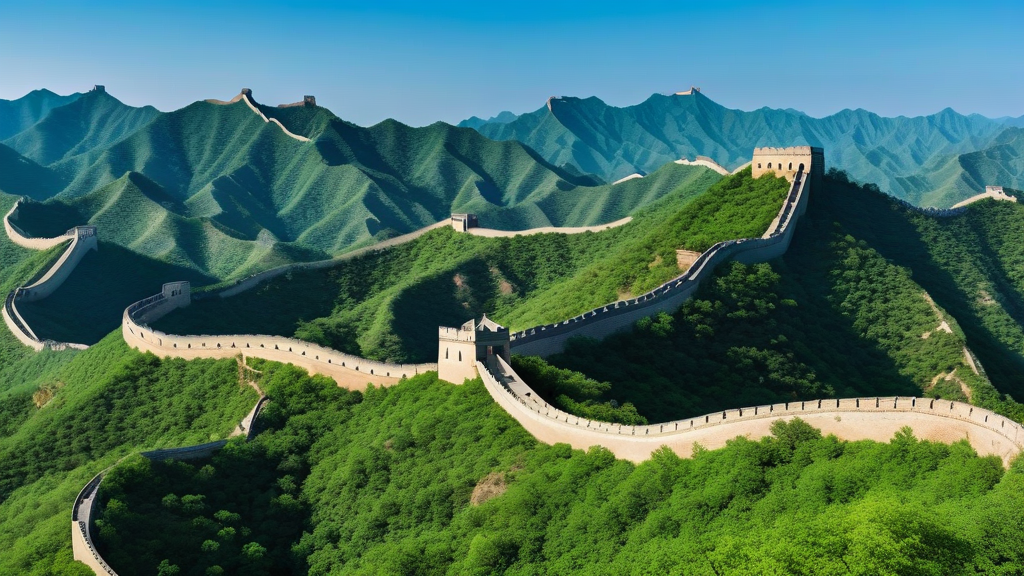
Let’s get this out of the way first. Badaling is the most visited section of the wall, and for good reason: it’s the most restored, most accessible, and the one you’ve seen in every tourist brochure since the 1980s.
**The numbers tell the story:** in 2025, Badaling received over 8.4 million visitors — that’s roughly 23,000 people per day on average, and over 60,000 per day during Golden Week (October 1-7). On a peak day in 2026, you could be sharing the wall with a small town’s worth of people.
**The reality:** you’re not walking the Great Wall. You’re shuffling behind someone’s backpack while a tour guide shouts through a megaphone in three languages. The restored sections are beautiful, sure, but the crowds kill the atmosphere completely.
**When you might still want to go:**
If you have mobility issues (the cable car and smooth ramps make it the most accessible)
If you’re on a tight schedule and it’s your only option
If you go at 6:30 AM when the gates open (before the tour buses arrive at 9 AM)
**Ticket price in 2026:** ¥40 (peak season, April-October), ¥35 (off-peak). Cable car round trip: ¥140.
**My honest verdict:** Been once. Won’t go again. But I’m glad I saw it — now I know what to avoid.
—
Mutianyu (慕田峪) — The Best All-Rounder
This is the section I recommend to 90% of my friends visiting China for the first time. Mutianyu sits about 70 kilometers northeast of central Beijing — about 1.5 hours by car, 2.5 hours by public bus.
**Why it works:**
Far fewer tourists than Badaling — about 1.5 million visitors per year, roughly one-sixth of Badaling’s numbers
Equally well-restored but with more original Ming Dynasty character
The famous toboggan ride down — I’m 42 years old and I still giggle every time
Greener surroundings — the wall snakes through forested hills that are stunning in autumn
**The toboggan thing is real.** You walk up (or take the cable car), spend a couple hours exploring, then ride a metal sled 1,600 meters down the mountain. You control the speed with a brake stick. ¥100 for the ride. Worth every yuan.
**Crowd avoidance tip:** Get the first cable car up at 8 AM. The tour groups start rolling in around 10:30 AM. Between 8 and 10 AM, you basically have the wall to yourself. I did this in April 2026 and saw maybe 30 people across the entire 2.5-kilometer restored section.
**Ticket price in 2026:** ¥45. Cable car round trip: ¥120. Toboggan one-way: ¥100.
**My honest verdict:** This is the one I take my family to when they visit. Safe, beautiful, easy, and the toboggan is a genuine highlight.
—
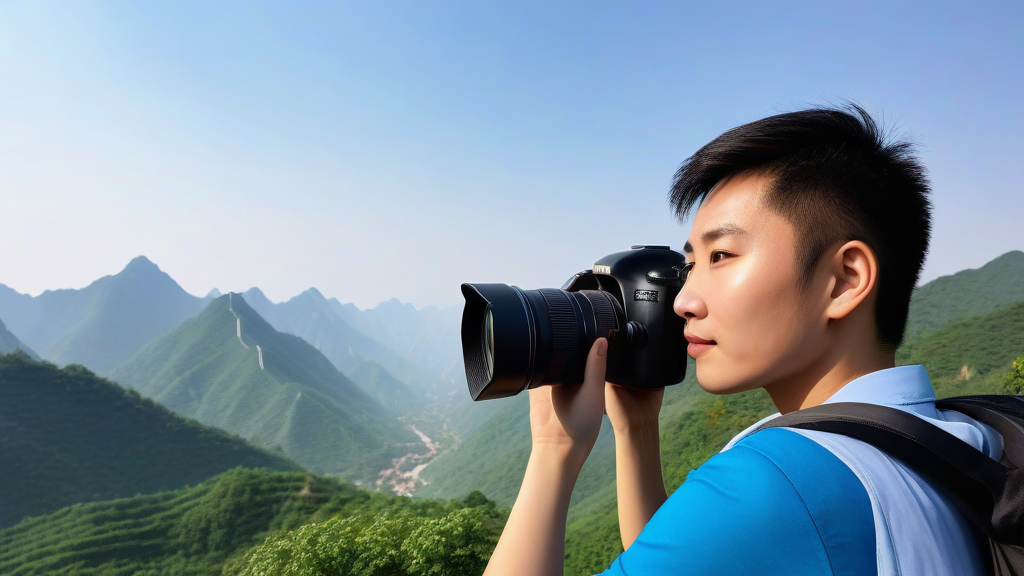
Jinshanling (金山岭) — The Photographer’s Dream
Jinshanling is where the wall gets real. About 130 kilometers northeast of Beijing, this section is only about 60% restored — which means you get the best of both worlds: safe walking paths alongside original, crumbling watchtowers that feel like actual history.
**What makes it special:**
The watchtowers here are more varied in style — round, square, brick, stone
Sunrise and sunset views are spectacular because the wall runs east-west along the ridge
Way fewer people — around 500,000 visitors per year
You can hike from Jinshanling to Simatai (about 4 hours) for a proper wall trek
**The hike between Jinshanling and Simatai** is the most popular multi-hour wall walk in China. It covers about 10 kilometers over uneven terrain with some steep climbs. Not dangerous, but you need decent fitness and proper shoes. I did it in October 2025 and saw maybe 40 other hikers the entire day.
**Crowd avoidance:** Jinshanling never really gets packed. The problem is getting there — it’s 3 hours from Beijing by car, and public transport is a hassle. Most people who make the journey are there to hike, not to selfie-and-go.
**Ticket price in 2026:** ¥65. Cable car: ¥100 round trip.
**My honest verdict:** If you’ve already seen a restored section and want to understand what the wall *really* was — a defensive structure on remote mountain ridges — this is your spot.
—
Simatai (司马台) — The Night Wall
Simatai is the only section of the Great Wall that’s open at night, and let me tell you, that changes everything.
Located near Gubei Water Town (about 2 hours from Beijing), Simatai is split into two parts: the eastern section (restored, with cable car access) and the western section (original, steep, and closed to the public for safety).
**The night experience:**
The wall is lit up with subtle lighting — not carnival lights, just enough to see the path
Gubei Water Town below is also lit up, and the reflection on the reservoir is stunning
You can visit from 5:30 PM to 9:30 PM in summer
The experience is genuinely romantic and completely different from daytime
**The downsides:**
The night tour only covers about 1 kilometer of the wall
It’s expensive compared to other sections — ¥120 for the night ticket plus ¥60 for the shuttle bus
Gubei Water Town itself is a reconstructed “ancient” town that feels a bit fake (think Chinese Disneyland)
**Crowd situation:** Evenings are much quieter than daytime. On a Tuesday night in May 2026, I shared the wall with maybe 100 other people spread across the lit section. Felt almost private.
**Ticket price in 2026:** Day ticket ¥40, night ticket ¥120 (includes cable car). Gubei Water Town separate: ¥140.
**My honest verdict:** Do the night visit. Skip Gubei Water Town unless you really like shopping in fake-ancient alleyways.
—
Jiankou (箭扣) — For the Reckless (Don’t Go)
I have to include Jiankou because it’s the most famous “wild wall” section. And I have to tell you: **do not go here unless you’re an experienced hiker with proper equipment and preferably a guide.**
Jiankou is completely unrestored. The wall is crumbling. Some sections are steep enough that you’re climbing on hands and knees. People have died here — two foreigners in 2024, one Chinese tourist in 2025.
**Why people go anyway:**
It’s the most dramatic, photogenic section of the wall
The “Beijing Knot” (Beijing Jie) — a point where three wall sections meet — is iconic
Zero commercial development. No ticket booths, no cable cars, no souvenir shops
**Why you shouldn’t:**
Unstable stone, missing parapets, sheer drops on both sides
No rescue services — if you break your ankle, it’s a helicopter evacuation that you pay for
Getting lost is easy; phone signal is unreliable
**I went in 2023 with a local hiking group.** Even with guides who knew the route, I was genuinely scared on two sections where the wall had collapsed to about 40 centimeters wide with a 20-meter drop on one side. The views were incredible. I will never do it again.
**If you absolutely must go:** hire a guide from a Beijing hiking club (about ¥400-600 per person), wear hiking boots with ankle support, bring 2 liters of water, and don’t go after rain.
—
Comparison Table: At a Glance
Section
Crowds
Restoration
Difficulty
Cost (¥)
Distance from Beijing
Best For
**Badaling**
Extreme (60k/day peak)
Fully restored
Easy
¥40 + ¥140 cable car
80 km (1.5h)
First-timers, accessibility
**Mutianyu**
Moderate (4k/day)
Fully restored
Easy
¥45 + ¥120 cable car
70 km (1.5h)
Families, all-round experience
**Jinshanling**
Low (1.5k/day)
60% restored
Moderate
¥65 + ¥100 cable car
130 km (3h)
Photography, hiking
**Simatai**
Low-Moderate
Partial + Night lights
Easy-Moderate
¥40-120 + ¥60 shuttle
120 km (2h)
Unique night experience
**Jiankou**
Very low (no tickets)
Unrestored
Difficult (dangerous)
Free (guide ¥400-600)
80 km (2.5h)
Adventurers (not recommended)
—
How to Avoid Crowds: My 6 Rules
I’ve been to the Great Wall maybe a dozen times total across different sections. These are the rules I follow:
**1. Go early or go late.** The sweet spot is 8-10 AM or 4-6 PM. Tour buses arrive 10 AM-2 PM. Avoid that window like the plague.
**2. Never go on a weekend.** The wall on a Saturday in peak season is a nightmare. Tuesday through Thursday are your best bets.
**3. Avoid Chinese public holidays completely.** Golden Week (Oct 1-7) and Labor Day (May 1-3) are the worst. Also avoid the summer months of July and August when domestic tourism peaks. April, May (after Labor Day), September, and October (before Golden Week) are ideal.
**4. Go to the less famous sections.** Mutianyu instead of Badaling. Jinshanling instead of either. Most tourists go where the tour buses take them — which is Badaling, period.
**5. Take public transport instead of a tour bus.** Tour buses go to Badaling because it’s the cheapest option for tour companies. If you take a Didi or a private driver to Mutianyu (about ¥400-500 one way), you control your schedule and arrival time.
**6. Go in the off-season.** November through March is cold (Beijing averages -5°C to 5°C in January), but the wall is nearly empty. Bundle up and you’ll have sections to yourself. I went to Mutianyu in February 2026 — the snow on the wall was incredible and I saw maybe 20 people total.
—
How to Get to Each Section (Transport Guide)
**Badaling:** Take the S2 train from Beijing North Station (¥6, 80 minutes, runs 6 times daily). Or bus 877 from Deshengmen (¥12, 2 hours). Hotel tours are the most expensive option.
**Mutianyu:** Bus route H23 from Dongzhimen Bus Station (¥12, 2.5 hours, then a ¥15 shuttle). Or Didi for ¥400-500 one way from central Beijing. I recommend the Didi — it saves 2 hours and you can leave whenever you want.
**Jinshanling:** No direct public transport. Most people drive or hire a private car (¥600-800 round trip from Beijing). Some hiking tours arrange minibus transport.
**Simatai:** Bus from Dongzhimen to Gubei Water Town (¥48, 2 hours, runs 4 times daily). Or Didi for ¥500-600 one way.
**Jiankou:** No public transport. You need a guide with a car. Hiking tour groups typically charge ¥350-500 per person including transport from Beijing.
—
FAQ
**Q: Which section is best for first-time visitors to China?**
A: Mutianyu, without question. It’s got the wow factor, the restoration is excellent, the toboggan ride down is a bonus, and the crowds are manageable. Badaling works if you’re on a budget tour, but Mutianyu is genuinely the better experience.
**Q: Can I visit the Great Wall in winter?**
A: Yes, and I actually recommend it. November through March is cold (Beijing can hit -10°C in January), but the crowds disappear. Just check opening hours — some sections close earlier in winter. Mutianyu’s cable car sometimes shuts down in strong wind, so call ahead.
**Q: Is it worth visiting the Great Wall at night?**
A: Yes, but only at Simatai. The nighttime experience is genuinely unique — the wall lit against the dark mountains is something you won’t forget. Just budget for the higher ticket price and the Gubei Water Town entry.
**Q: How long should I spend at the Great Wall?**
A: For Mutianyu or Badaling: 3-4 hours. For Jinshanling: 4-5 hours minimum (especially if you do the hike). For Simatai night visit: 2-3 hours. For Jiankou: all day (and you’ll be exhausted).
**Q: Can I do multiple sections in one day?**
A: Badaling and Mutianyu are too far apart (3+ hours driving). Jinshanling and Simatai are connected by a hiking trail — you can hike from one to the other in about 4 hours if you have a car waiting at the other end. Don’t try to do more than two sections in a day; you’ll rush both and enjoy neither.
**Q: Do I need to book tickets in advance in 2026?**
A: For Badaling, yes — they now have a daily cap of 60,000 visitors and tickets sell out during holidays. For Mutianyu and Simatai, it’s recommended but not essential (I’ve never had an issue). For Jinshanling and Jiankou, no — just show up.
—
The Bottom Line
The Great Wall is one of those places that can be either a life highlight or a tourist trap disappointment. The difference is choosing the right section and showing up at the right time.
If you take one piece of advice from this article: skip Badaling, go to Mutianyu, get there before 8:30 AM, and ride the damn toboggan down. You’ll thank me later.
And if you’ve got the time and the legs for it, Jinshanling is where you’ll feel the real wall — the one that soldiers manned through freezing winters, the one that never actually kept anyone out, but still stands there 500 years later as the most impressive thing humans have built on this planet.
I’ve been eight times now, across five sections, in all four seasons. I’ll be going again this autumn. Some places never get old.
I’ll never forget my first trip to the Great Wall. I was fresh off the plane, full of excitement, and I let the hotel receptionist talk me into a tour bus to Badaling. Big mistake.
The photos I got back look like a music festival queue, not one of the Seven Wonders of the World. Chinese tourists packed shoulder-to-shoulder, selfie sticks everywhere, and a queue for the cable car that snaked for what felt like a kilometer. I spent more time waiting than walking.
But here’s the thing I’ve learned over eight years in China: the Great Wall isn’t one wall. It’s a network of walls, fortresses, and watchtowers spanning over 21,000 kilometers. And the experience you get depends entirely on which slice of it you choose.
I’ve been to five sections now — Badaling, Mutianyu, Jinshanling, Simatai, and Jiankou. Each one is a completely different experience. Let me break them down so you don’t make the same rookie mistake I did.
—
Badaling (八达岭) — The One Everyone Goes To (And Why You Shouldn’t)
Let’s get this out of the way first. Badaling is the most visited section of the wall, and for good reason: it’s the most restored, most accessible, and the one you’ve seen in every tourist brochure since the 1980s.
**The numbers tell the story:** in 2025, Badaling received over 8.4 million visitors — that’s roughly 23,000 people per day on average, and over 60,000 per day during Golden Week (October 1-7). On a peak day in 2026, you could be sharing the wall with a small town’s worth of people.
**The reality:** you’re not walking the Great Wall. You’re shuffling behind someone’s backpack while a tour guide shouts through a megaphone in three languages. The restored sections are beautiful, sure, but the crowds kill the atmosphere completely.
**When you might still want to go:**
If you have mobility issues (the cable car and smooth ramps make it the most accessible)
If you’re on a tight schedule and it’s your only option
If you go at 6:30 AM when the gates open (before the tour buses arrive at 9 AM)
**Ticket price in 2026:** ¥40 (peak season, April-October), ¥35 (off-peak). Cable car round trip: ¥140.
**My honest verdict:** Been once. Won’t go again. But I’m glad I saw it — now I know what to avoid.
—
Mutianyu (慕田峪) — The Best All-Rounder
This is the section I recommend to 90% of my friends visiting China for the first time. Mutianyu sits about 70 kilometers northeast of central Beijing — about 1.5 hours by car, 2.5 hours by public bus.
**Why it works:**
Far fewer tourists than Badaling — about 1.5 million visitors per year, roughly one-sixth of Badaling’s numbers
Equally well-restored but with more original Ming Dynasty character
The famous toboggan ride down — I’m 42 years old and I still giggle every time
Greener surroundings — the wall snakes through forested hills that are stunning in autumn
**The toboggan thing is real.** You walk up (or take the cable car), spend a couple hours exploring, then ride a metal sled 1,600 meters down the mountain. You control the speed with a brake stick. ¥100 for the ride. Worth every yuan.
**Crowd avoidance tip:** Get the first cable car up at 8 AM. The tour groups start rolling in around 10:30 AM. Between 8 and 10 AM, you basically have the wall to yourself. I did this in April 2026 and saw maybe 30 people across the entire 2.5-kilometer restored section.
**Ticket price in 2026:** ¥45. Cable car round trip: ¥120. Toboggan one-way: ¥100.
**My honest verdict:** This is the one I take my family to when they visit. Safe, beautiful, easy, and the toboggan is a genuine highlight.
—
Jinshanling (金山岭) — The Photographer’s Dream
Jinshanling is where the wall gets real. About 130 kilometers northeast of Beijing, this section is only about 60% restored — which means you get the best of both worlds: safe walking paths alongside original, crumbling watchtowers that feel like actual history.
**What makes it special:**
The watchtowers here are more varied in style — round, square, brick, stone
Sunrise and sunset views are spectacular because the wall runs east-west along the ridge
Way fewer people — around 500,000 visitors per year
You can hike from Jinshanling to Simatai (about 4 hours) for a proper wall trek
**The hike between Jinshanling and Simatai** is the most popular multi-hour wall walk in China. It covers about 10 kilometers over uneven terrain with some steep climbs. Not dangerous, but you need decent fitness and proper shoes. I did it in October 2025 and saw maybe 40 other hikers the entire day.
**Crowd avoidance:** Jinshanling never really gets packed. The problem is getting there — it’s 3 hours from Beijing by car, and public transport is a hassle. Most people who make the journey are there to hike, not to selfie-and-go.
**Ticket price in 2026:** ¥65. Cable car: ¥100 round trip.
**My honest verdict:** If you’ve already seen a restored section and want to understand what the wall *really* was — a defensive structure on remote mountain ridges — this is your spot.
—
Simatai (司马台) — The Night Wall
Simatai is the only section of the Great Wall that’s open at night, and let me tell you, that changes everything.
Located near Gubei Water Town (about 2 hours from Beijing), Simatai is split into two parts: the eastern section (restored, with cable car access) and the western section (original, steep, and closed to the public for safety).
**The night experience:**
The wall is lit up with subtle lighting — not carnival lights, just enough to see the path
Gubei Water Town below is also lit up, and the reflection on the reservoir is stunning
You can visit from 5:30 PM to 9:30 PM in summer
The experience is genuinely romantic and completely different from daytime
**The downsides:**
The night tour only covers about 1 kilometer of the wall
It’s expensive compared to other sections — ¥120 for the night ticket plus ¥60 for the shuttle bus
Gubei Water Town itself is a reconstructed “ancient” town that feels a bit fake (think Chinese Disneyland)
**Crowd situation:** Evenings are much quieter than daytime. On a Tuesday night in May 2026, I shared the wall with maybe 100 other people spread across the lit section. Felt almost private.
**Ticket price in 2026:** Day ticket ¥40, night ticket ¥120 (includes cable car). Gubei Water Town separate: ¥140.
**My honest verdict:** Do the night visit. Skip Gubei Water Town unless you really like shopping in fake-ancient alleyways.
—
Jiankou (箭扣) — For the Reckless (Don’t Go)
I have to include Jiankou because it’s the most famous “wild wall” section. And I have to tell you: **do not go here unless you’re an experienced hiker with proper equipment and preferably a guide.**
Jiankou is completely unrestored. The wall is crumbling. Some sections are steep enough that you’re climbing on hands and knees. People have died here — two foreigners in 2024, one Chinese tourist in 2025.
**Why people go anyway:**
It’s the most dramatic, photogenic section of the wall
The “Beijing Knot” (Beijing Jie) — a point where three wall sections meet — is iconic
Zero commercial development. No ticket booths, no cable cars, no souvenir shops
**Why you shouldn’t:**
Unstable stone, missing parapets, sheer drops on both sides
No rescue services — if you break your ankle, it’s a helicopter evacuation that you pay for
Getting lost is easy; phone signal is unreliable
**I went in 2023 with a local hiking group.** Even with guides who knew the route, I was genuinely scared on two sections where the wall had collapsed to about 40 centimeters wide with a 20-meter drop on one side. The views were incredible. I will never do it again.
**If you absolutely must go:** hire a guide from a Beijing hiking club (about ¥400-600 per person), wear hiking boots with ankle support, bring 2 liters of water, and don’t go after rain.
—
Comparison Table: At a Glance
Section
Crowds
Restoration
Difficulty
Cost (¥)
Distance from Beijing
Best For
**Badaling**
Extreme (60k/day peak)
Fully restored
Easy
¥40 + ¥140 cable car
80 km (1.5h)
First-timers, accessibility
**Mutianyu**
Moderate (4k/day)
Fully restored
Easy
¥45 + ¥120 cable car
70 km (1.5h)
Families, all-round experience
**Jinshanling**
Low (1.5k/day)
60% restored
Moderate
¥65 + ¥100 cable car
130 km (3h)
Photography, hiking
**Simatai**
Low-Moderate
Partial + Night lights
Easy-Moderate
¥40-120 + ¥60 shuttle
120 km (2h)
Unique night experience
**Jiankou**
Very low (no tickets)
Unrestored
Difficult (dangerous)
Free (guide ¥400-600)
80 km (2.5h)
Adventurers (not recommended)
—
How to Avoid Crowds: My 6 Rules
I’ve been to the Great Wall maybe a dozen times total across different sections. These are the rules I follow:
**1. Go early or go late.** The sweet spot is 8-10 AM or 4-6 PM. Tour buses arrive 10 AM-2 PM. Avoid that window like the plague.
**2. Never go on a weekend.** The wall on a Saturday in peak season is a nightmare. Tuesday through Thursday are your best bets.
**3. Avoid Chinese public holidays completely.** Golden Week (Oct 1-7) and Labor Day (May 1-3) are the worst. Also avoid the summer months of July and August when domestic tourism peaks. April, May (after Labor Day), September, and October (before Golden Week) are ideal.
**4. Go to the less famous sections.** Mutianyu instead of Badaling. Jinshanling instead of either. Most tourists go where the tour buses take them — which is Badaling, period.
**5. Take public transport instead of a tour bus.** Tour buses go to Badaling because it’s the cheapest option for tour companies. If you take a Didi or a private driver to Mutianyu (about ¥400-500 one way), you control your schedule and arrival time.
**6. Go in the off-season.** November through March is cold (Beijing averages -5°C to 5°C in January), but the wall is nearly empty. Bundle up and you’ll have sections to yourself. I went to Mutianyu in February 2026 — the snow on the wall was incredible and I saw maybe 20 people total.
—
How to Get to Each Section (Transport Guide)
**Badaling:** Take the S2 train from Beijing North Station (¥6, 80 minutes, runs 6 times daily). Or bus 877 from Deshengmen (¥12, 2 hours). Hotel tours are the most expensive option.
**Mutianyu:** Bus route H23 from Dongzhimen Bus Station (¥12, 2.5 hours, then a ¥15 shuttle). Or Didi for ¥400-500 one way from central Beijing. I recommend the Didi — it saves 2 hours and you can leave whenever you want.
**Jinshanling:** No direct public transport. Most people drive or hire a private car (¥600-800 round trip from Beijing). Some hiking tours arrange minibus transport.
**Simatai:** Bus from Dongzhimen to Gubei Water Town (¥48, 2 hours, runs 4 times daily). Or Didi for ¥500-600 one way.
**Jiankou:** No public transport. You need a guide with a car. Hiking tour groups typically charge ¥350-500 per person including transport from Beijing.
—
FAQ
**Q: Which section is best for first-time visitors to China?**
A: Mutianyu, without question. It’s got the wow factor, the restoration is excellent, the toboggan ride down is a bonus, and the crowds are manageable. Badaling works if you’re on a budget tour, but Mutianyu is genuinely the better experience.
**Q: Can I visit the Great Wall in winter?**
A: Yes, and I actually recommend it. November through March is cold (Beijing can hit -10°C in January), but the crowds disappear. Just check opening hours — some sections close earlier in winter. Mutianyu’s cable car sometimes shuts down in strong wind, so call ahead.
**Q: Is it worth visiting the Great Wall at night?**
A: Yes, but only at Simatai. The nighttime experience is genuinely unique — the wall lit against the dark mountains is something you won’t forget. Just budget for the higher ticket price and the Gubei Water Town entry.
**Q: How long should I spend at the Great Wall?**
A: For Mutianyu or Badaling: 3-4 hours. For Jinshanling: 4-5 hours minimum (especially if you do the hike). For Simatai night visit: 2-3 hours. For Jiankou: all day (and you’ll be exhausted).
**Q: Can I do multiple sections in one day?**
A: Badaling and Mutianyu are too far apart (3+ hours driving). Jinshanling and Simatai are connected by a hiking trail — you can hike from one to the other in about 4 hours if you have a car waiting at the other end. Don’t try to do more than two sections in a day; you’ll rush both and enjoy neither.
**Q: Do I need to book tickets in advance in 2026?**
A: For Badaling, yes — they now have a daily cap of 60,000 visitors and tickets sell out during holidays. For Mutianyu and Simatai, it’s recommended but not essential (I’ve never had an issue). For Jinshanling and Jiankou, no — just show up.
—
The Bottom Line
The Great Wall is one of those places that can be either a life highlight or a tourist trap disappointment. The difference is choosing the right section and showing up at the right time.
If you take one piece of advice from this article: skip Badaling, go to Mutianyu, get there before 8:30 AM, and ride the damn toboggan down. You’ll thank me later.
And if you’ve got the time and the legs for it, Jinshanling is where you’ll feel the real wall — the one that soldiers manned through freezing winters, the one that never actually kept anyone out, but still stands there 500 years later as the most impressive thing humans have built on this planet.
I’ve been eight times now, across five sections, in all four seasons. I’ll be going again this autumn. Some places never get old.
Inspired by James Cameron's Avatar, Zhangjiajie's towering sandstone pillars are a must-see. This comprehensive guide helps you navigate Tianzi Mountain, Bailong Elevator, Glass Bridge, and more.
Discover how to find a job in China as a foreigner with our complete guide. Learn about Z visas, top industries, salary expectations, and cultural tips for a successful career in China.
Discover the true cost of a trip to China in 2026. From flights and visas to daily expenses, we break down budgets for backpackers, mid-range, and luxury travelers. Save money with our expert tips.