From the legend of Nian to the digital red envelope craze, explore the fascinating traditions of Chinese New Year—the world’s largest annual migration.
Ready
EN
Every year, China experiences the world’s largest human migration: the Chunyun travel rush, with over 3 billion trips in 40 days. This is just one facet of Chinese New Year, a festival steeped in centuries-old traditions—**Chinese New Year traditions explained** in this guide. From the legend of Nian to digital red envelopes, discover what makes this celebration unmatched in scale and meaning.
## The Legend of Nian: How Firecrackers and Red Decorations Began
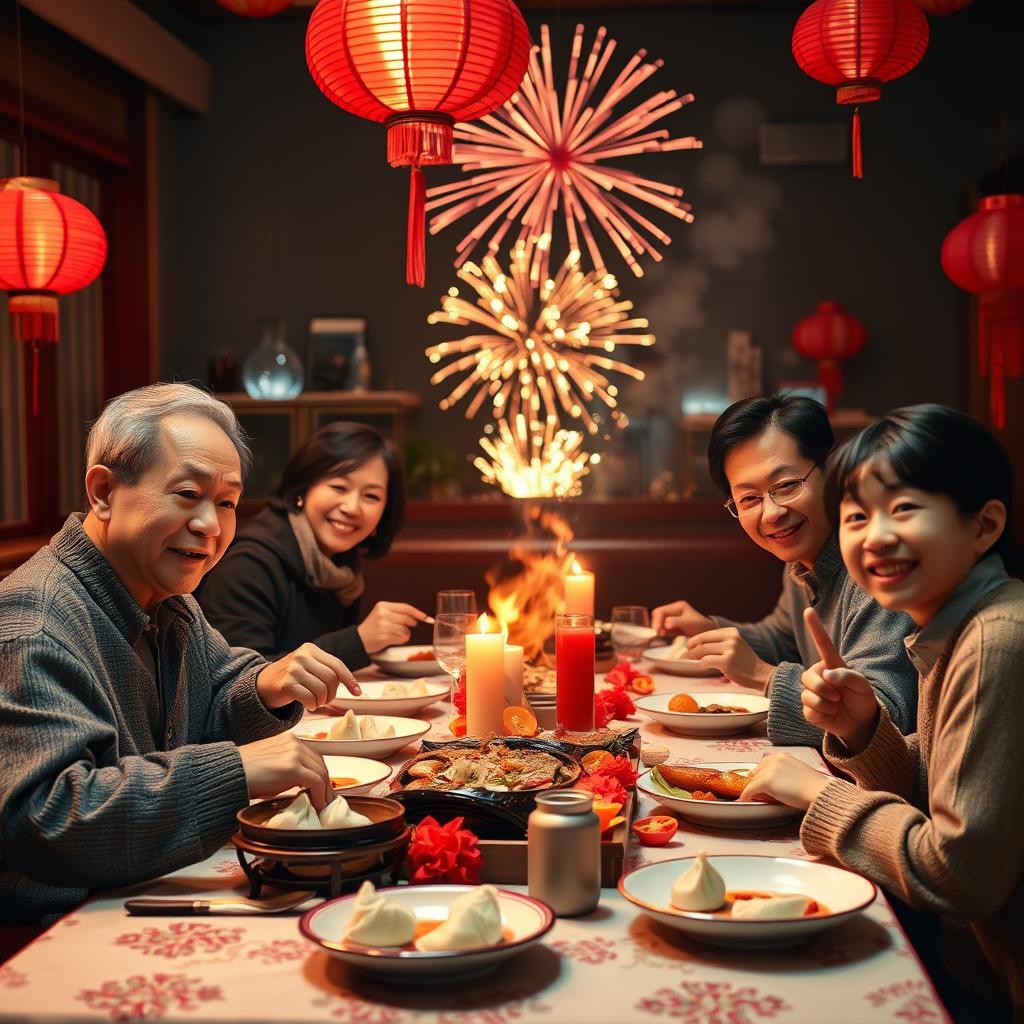
The story of the beast Nian (年) explains two iconic traditions. According to legend, Nian emerged on New Year’s Eve to terrorize villagers, who discovered it feared loud noises and the color red. Thus, firecrackers (鞭炮 biānpào) and red decorations became essential to scare away evil. Today, fireworks light up cities across China, rivaling any Western New Year display. In fact, China consumes more fireworks than any other country—a testament to this enduring tradition.
## The Reunion Dinner: The Most Important Meal of the Year
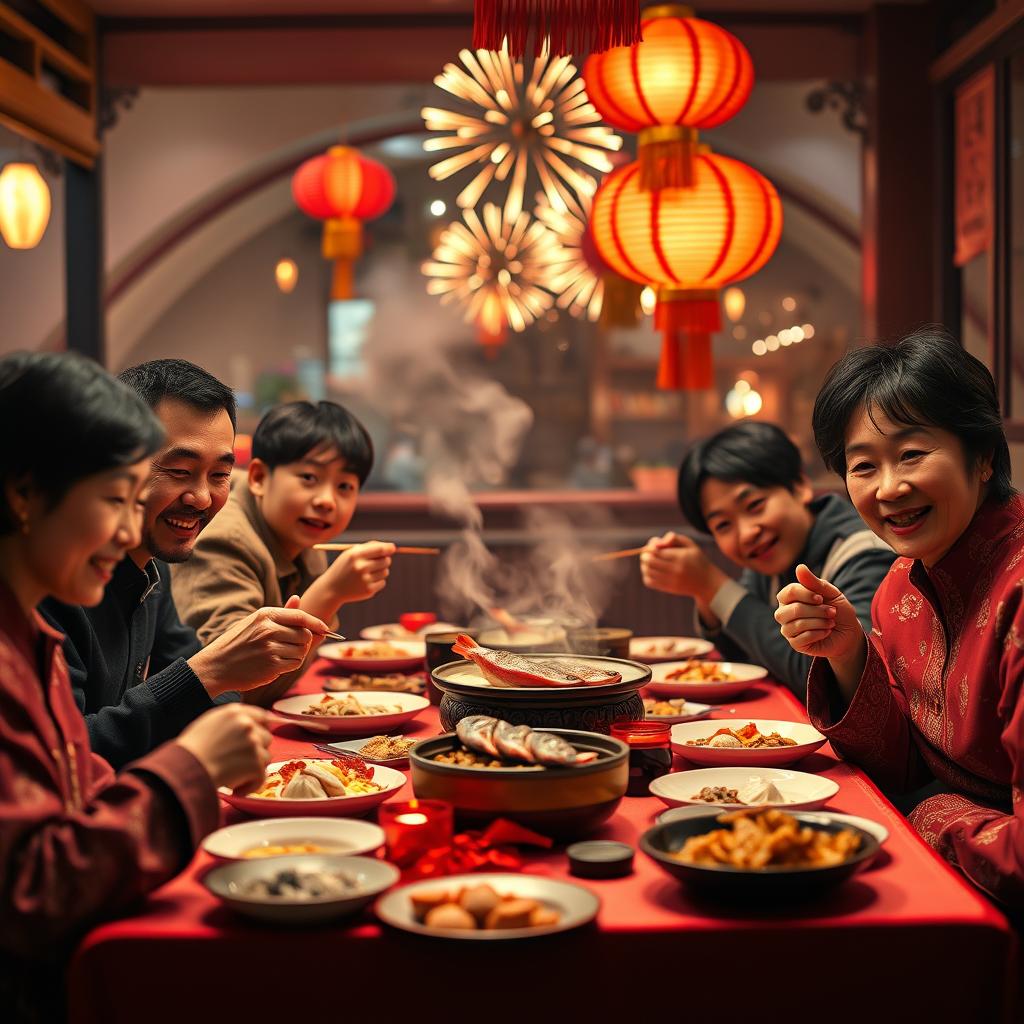
On New Year’s Eve, families gather for the “Nian Ye Fan” (年夜饭), or reunion dinner. This meal is loaded with symbolic foods:
– **Fish (鱼 yú)**: Represents surplus (年年有余). The word for fish sounds like “surplus,” so eating fish ensures prosperity all year.
– **Dumplings (饺子 jiǎozi)**: Shaped like ancient silver ingots, symbolizing wealth.
– **Spring rolls (春卷 chūnjuǎn)**: Gold bars in appearance, signifying riches.
– **Niangao (年糕)**: Glutinous rice cake; its name means “year higher,” symbolizing growth.
Compare this to Thanksgiving in the US: the reunion dinner is China’s most family-centric meal, but with deeper symbolism and a longer history.
## Red Envelopes (Hongbao): From Ancient Coins to Digital Billions
Red envelopes (红包 hóngbāo) are gifts of money given during the New Year. The tradition dates back to the Qin Dynasty (221–206 BC), when coins were strung on red thread to ward off evil spirits. Today, it’s a multi-billion-dollar phenomenon. In 2023, Chinese consumers spent over 87 billion yuan (about $12 billion) on digital red envelopes via WeChat Pay and Alipay. Unlike Western gift-giving, where you might receive a sweater or socks, hongbao are pure cash—and increasingly digital. The color red itself symbolizes luck and energy.
## Spring Festival Couplets and Paper Cuttings: Blessings on Display
Homes are adorned with **Spring Festival couplets** (春联 chūnlián)—pairs of poetic lines on red paper flanking doorways. They express wishes for prosperity, health, and happiness. **Paper cuttings** (剪纸 jiǎnzhǐ) are intricate red designs pasted on windows. One famous touch: the character “福” (fú, meaning good fortune) is often posted upside down. Why? Because the word for “upside down” (倒 dào) sounds like “arrive” (到), so it symbolically means “luck has arrived.” This clever wordplay is uniquely Chinese.
## The 15-Day Celebration: From New Year’s Eve to Lantern Festival
Chinese New Year isn’t a single day—it spans 15 days, each with specific customs:
– **Day 1**: Visiting elders and offering greetings.
– **Day 2**: Married daughters visit their birth families (in some regions).
– **Day 5**: The God of Wealth’s birthday—many people set off firecrackers to welcome prosperity.
– **Day 7**: “Everyone’s Birthday” (人日 rén rì)—the common birthday of all people; eat noodles for long life.
– **Day 15**: The **Lantern Festival** (元宵节 Yuánxiāo Jié)—lantern displays, solving riddles, and eating tangyuan (sweet glutinous rice balls).
This extended celebration dwarfs Western holidays like Christmas or Thanksgiving. The festival culminates in a spectacular burst of light and color.
## Lion and Dragon Dances: Driving Away Evil
Lion dances (舞狮 wǔshī) and dragon dances (舞龙 wǔlóng) are performed in streets and shopping centers. The lion dance, often accompanied by drums and cymbals, mimics a lion’s movements to scare away evil spirits. The dragon dance involves a team manipulating a long, flexible dragon on poles—a symbol of power and good fortune. These performances require athleticism and coordination, unlike Western parades where floats are passive.
## Unique Local Traditions: From Guangzhou’s Flower Markets to Beijing’s Temple Fairs
Regional variations add flavor:
– **Guangzhou**: The annual Flower Market (花市 huāshì) runs for three days before New Year, selling blooms like orchids and kumquats (symbolizing luck and prosperity).
– **Beijing**: Temple fairs (庙会 miàohuì) feature folk performances, snacks, and crafts. The Ditan Temple Fair is among the most famous.
– **Northern China**: Eating dumplings at midnight is a must; in the South, it’s all about niangao and spring rolls.
## FAQ
**Q: What is the Chunyun migration?**
A: Chunyun is the 40-day travel period around Chinese New Year, during which over 3 billion trips are made—the largest annual human migration worldwide. It’s often compared to Thanksgiving in the US but on a vastly larger scale.
**Q: Why do people give red envelopes?**
A: Red envelopes (hongbao) symbolize good luck and are intended to ward off evil spirits. The red color is auspicious, and the money inside represents prosperity. In modern times, digital hongbao via apps like WeChat have become hugely popular.
**Q: What is the Nian beast?**
A: Nian is a mythical monster that would attack villages on New Year’s Eve. People discovered it feared loud noises and the color red, leading to traditions of firecrackers and red decorations.
**Q: How long does Chinese New Year last?**
A: Officially, celebrations run for 15 days, from New Year’s Eve to the Lantern Festival. Many people have a week off work, but the festivities extend across two weeks.
**Q: What foods are traditionally eaten?**
A: Key dishes include fish (surplus), dumplings (wealth), spring rolls (gold bars), and niangao (yearly growth). Each dish has symbolic meaning based on pronunciation or shape.
**Q: Why is the Chinese character for ‘fu’ sometimes posted upside down?**
A: The word for “upside down” (倒 dào) sounds like “arrive” (到), so posting it upside down means “luck has arrived.” It’s a clever wordplay unique to Chinese.
## Conclusion
Chinese New Year is more than a holiday; it’s a cultural phenomenon blending ancient mythology, family values, and modern digital innovation. From the largest travel rush on Earth to the symbolic foods on the reunion table, every tradition tells a story. Whether you’re receiving a digital hongbao or watching a lion dance, you’re experiencing a festival that generates over 1 trillion yuan in retail sales—dwarfing many global events. Now that you have these **Chinese New Year traditions explained**, you can appreciate the depth behind the dazzling displays.
Every year, China experiences the world’s largest human migration: the Chunyun travel rush, with over 3 billion trips in 40 days. This is just one facet of Chinese New Year, a festival steeped in centuries-old traditions—**Chinese New Year traditions explained** in this guide. From the legend of Nian to digital red envelopes, discover what makes this celebration unmatched in scale and meaning.
## The Legend of Nian: How Firecrackers and Red Decorations Began
The story of the beast Nian (年) explains two iconic traditions. According to legend, Nian emerged on New Year’s Eve to terrorize villagers, who discovered it feared loud noises and the color red. Thus, firecrackers (鞭炮 biānpào) and red decorations became essential to scare away evil. Today, fireworks light up cities across China, rivaling any Western New Year display. In fact, China consumes more fireworks than any other country—a testament to this enduring tradition.
## The Reunion Dinner: The Most Important Meal of the Year
On New Year’s Eve, families gather for the “Nian Ye Fan” (年夜饭), or reunion dinner. This meal is loaded with symbolic foods:
– **Fish (鱼 yú)**: Represents surplus (年年有余). The word for fish sounds like “surplus,” so eating fish ensures prosperity all year.
– **Dumplings (饺子 jiǎozi)**: Shaped like ancient silver ingots, symbolizing wealth.
– **Spring rolls (春卷 chūnjuǎn)**: Gold bars in appearance, signifying riches.
– **Niangao (年糕)**: Glutinous rice cake; its name means “year higher,” symbolizing growth.
Compare this to Thanksgiving in the US: the reunion dinner is China’s most family-centric meal, but with deeper symbolism and a longer history.
## Red Envelopes (Hongbao): From Ancient Coins to Digital Billions
Red envelopes (红包 hóngbāo) are gifts of money given during the New Year. The tradition dates back to the Qin Dynasty (221–206 BC), when coins were strung on red thread to ward off evil spirits. Today, it’s a multi-billion-dollar phenomenon. In 2023, Chinese consumers spent over 87 billion yuan (about $12 billion) on digital red envelopes via WeChat Pay and Alipay. Unlike Western gift-giving, where you might receive a sweater or socks, hongbao are pure cash—and increasingly digital. The color red itself symbolizes luck and energy.
## Spring Festival Couplets and Paper Cuttings: Blessings on Display
Homes are adorned with **Spring Festival couplets** (春联 chūnlián)—pairs of poetic lines on red paper flanking doorways. They express wishes for prosperity, health, and happiness. **Paper cuttings** (剪纸 jiǎnzhǐ) are intricate red designs pasted on windows. One famous touch: the character “福” (fú, meaning good fortune) is often posted upside down. Why? Because the word for “upside down” (倒 dào) sounds like “arrive” (到), so it symbolically means “luck has arrived.” This clever wordplay is uniquely Chinese.
## The 15-Day Celebration: From New Year’s Eve to Lantern Festival
Chinese New Year isn’t a single day—it spans 15 days, each with specific customs:
– **Day 1**: Visiting elders and offering greetings.
– **Day 2**: Married daughters visit their birth families (in some regions).
– **Day 5**: The God of Wealth’s birthday—many people set off firecrackers to welcome prosperity.
– **Day 7**: “Everyone’s Birthday” (人日 rén rì)—the common birthday of all people; eat noodles for long life.
– **Day 15**: The **Lantern Festival** (元宵节 Yuánxiāo Jié)—lantern displays, solving riddles, and eating tangyuan (sweet glutinous rice balls).
This extended celebration dwarfs Western holidays like Christmas or Thanksgiving. The festival culminates in a spectacular burst of light and color.
## Lion and Dragon Dances: Driving Away Evil
Lion dances (舞狮 wǔshī) and dragon dances (舞龙 wǔlóng) are performed in streets and shopping centers. The lion dance, often accompanied by drums and cymbals, mimics a lion’s movements to scare away evil spirits. The dragon dance involves a team manipulating a long, flexible dragon on poles—a symbol of power and good fortune. These performances require athleticism and coordination, unlike Western parades where floats are passive.
## Unique Local Traditions: From Guangzhou’s Flower Markets to Beijing’s Temple Fairs
Regional variations add flavor:
– **Guangzhou**: The annual Flower Market (花市 huāshì) runs for three days before New Year, selling blooms like orchids and kumquats (symbolizing luck and prosperity).
– **Beijing**: Temple fairs (庙会 miàohuì) feature folk performances, snacks, and crafts. The Ditan Temple Fair is among the most famous.
– **Northern China**: Eating dumplings at midnight is a must; in the South, it’s all about niangao and spring rolls.
## FAQ
**Q: What is the Chunyun migration?**
A: Chunyun is the 40-day travel period around Chinese New Year, during which over 3 billion trips are made—the largest annual human migration worldwide. It’s often compared to Thanksgiving in the US but on a vastly larger scale.
**Q: Why do people give red envelopes?**
A: Red envelopes (hongbao) symbolize good luck and are intended to ward off evil spirits. The red color is auspicious, and the money inside represents prosperity. In modern times, digital hongbao via apps like WeChat have become hugely popular.
**Q: What is the Nian beast?**
A: Nian is a mythical monster that would attack villages on New Year’s Eve. People discovered it feared loud noises and the color red, leading to traditions of firecrackers and red decorations.
**Q: How long does Chinese New Year last?**
A: Officially, celebrations run for 15 days, from New Year’s Eve to the Lantern Festival. Many people have a week off work, but the festivities extend across two weeks.
**Q: What foods are traditionally eaten?**
A: Key dishes include fish (surplus), dumplings (wealth), spring rolls (gold bars), and niangao (yearly growth). Each dish has symbolic meaning based on pronunciation or shape.
**Q: Why is the Chinese character for ‘fu’ sometimes posted upside down?**
A: The word for “upside down” (倒 dào) sounds like “arrive” (到), so posting it upside down means “luck has arrived.” It’s a clever wordplay unique to Chinese.
## Conclusion
Chinese New Year is more than a holiday; it’s a cultural phenomenon blending ancient mythology, family values, and modern digital innovation. From the largest travel rush on Earth to the symbolic foods on the reunion table, every tradition tells a story. Whether you’re receiving a digital hongbao or watching a lion dance, you’re experiencing a festival that generates over 1 trillion yuan in retail sales—dwarfing many global events. Now that you have these **Chinese New Year traditions explained**, you can appreciate the depth behind the dazzling displays.
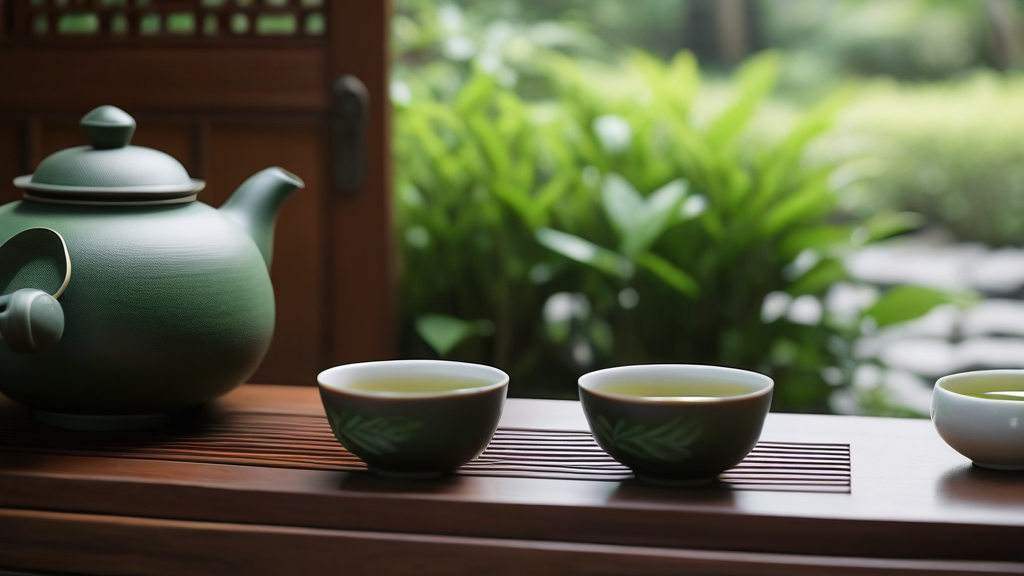
From green tea to pu'er, explore the rich history, ceremonial practices, and health benefits of Chinese tea. This beginner's guide covers everything you need to know.
From the legend of Shennong to the art of Gongfu Cha, explore Chinese tea culture in this beginner-friendly guide. Learn about six tea types, health benefits, and how to start your tea journey.
We’re planning to visit Beijing for Chinese New Year next year. Do most shops and restaurants close for the whole week?
I’ve always wondered about the significance of the red envelopes. Is there a specific amount you should give?
We celebrated Chinese New Year in Beijing last year and the fireworks were incredible. What’s the meaning behind giving red envelopes?
I tried making dumplings for the first time after reading this. Any tips for getting the folds right?