Discover the true cost of a trip to China in 2025. From $500 budget trips to luxury experiences, get detailed breakdowns on flights, accommodation, food, and transport. Plan your affordable China adventure now.
Ready
EN
Mục lục
Key Takeaways
Table of Contents
Flight Costs: Getting to China
Average Prices from Major Western Cities
Tips to Save on Flights
Accommodation: From Hostels to Luxury Hotels
Budget Hostels & Guesthouses (under $30/night)
Mid-Range Hotels ($50–$120/night)
Luxury Hotels ($150–$500+/night)
Food: Street Food to Fine Dining
Street Food & Local Eateries ($1–$5 per meal)
Mid-Range Restaurants ($5–$15 per person)
Fine Dining ($30–$100+ per person)
Transportation: High-Speed Trains, Buses, and Taxis
High-Speed Trains
Domestic Flights
City Transport
Attractions: Entrance Fees for Top Sights
Major Attractions
Affordability Compared to Global Peers
Visa and Insurance
Chinese Tourist Visa
Travel Insurance
Total Estimated Budget for One Week
Sample Budget Breakdown
Comparison to Other Destinations
China vs Europe (Paris)
China vs USA (New York)
China vs Southeast Asia (Bangkok)
Tips for Saving Money
Planning Tips
On-the-Ground Tips
Money-Saving Hacks
Frequently Asked Questions
Is it expensive to travel to China?
How much money do I need for 1 week in China?
What is the cheapest way to get around China?
Do I need to tip in China?
How much does food cost in China?
Is China cheaper than Southeast Asia?
Can I use credit cards in China?
What is the visa cost for China?
Conclusion
Wondering how much does a trip to China cost? China remains one of the most affordable long-haul destinations for Western travelers. With well-developed tourism infrastructure, competitive pricing, and a favorable exchange rate, a trip to China can cost as little as $500–$700 per person for a week on a tight budget, or $2,000–$3,000 for a comfortable mid-range experience. This guide breaks down every expense—flights, accommodation, food, transportation, attractions, visa, and insurance—so you can plan your China adventure without breaking the bank.
Key Takeaways
Budget traveler (one week): $500–$700 (including flights from nearby Asian hubs) or $1,200–$1,500 (including flights from the US/Europe)
Mid-range traveler (one week): $1,500–$2,500 (including international flights)
Luxury traveler (one week): $4,000–$8,000+ (including international flights)
Street food: $1–$3 per meal; mid-range restaurant: $5–$10 per person
High-speed train (Beijing–Shanghai): ~$85 (second class)
Visa (US citizens): $140 plus processing fees
China’s high-speed rail network spans over 40,000 km—more than the rest of the world combined.
Table of Contents
Flight Costs: Getting to China
Accommodation: From Hostels to Luxury Hotels
Food: Street Food to Fine Dining
Transportation: High-Speed Trains, Buses, and Taxis
Attractions: Entrance Fees for Top Sights
Visa and Insurance
Total Estimated Budget for One Week
Comparison to Other Destinations
Tips for Saving Money
Frequently Asked Questions
Conclusion
Flight Costs: Getting to China
Average Prices from Major Western Cities
Round-trip flights to China vary significantly by season and departure city. From Los Angeles (LAX) to Beijing (PEK), average economy fares range from $600–$1,200 in low season (February–March) to $1,200–$2,000 in peak summer. From New York (JFK) to Shanghai (PVG), expect $700–$1,500 (low season) and $1,300–$2,200 (peak). From London (LHR) to Beijing, prices range $500–$900 off-peak and $900–$1,500 in summer.
Tips to Save on Flights
Book 2–3 months in advance using Chinese airlines (e.g., Air China, China Eastern) for the best deals.
Consider flying into Hong Kong (HKG) or Shenzhen (SZX) and taking a high-speed train inland—sometimes cheaper.
Use flight comparison tools (e.g., Skyscanner, Kayak) with flexible dates.
Accommodation: From Hostels to Luxury Hotels
Budget Hostels & Guesthouses (under $30/night)
Dorm beds in hostels range $8–$15/night in major cities like Beijing and Shanghai; private rooms $20–$30. Budget hotels (e.g., Home Inn, 7 Days Inn) cost $25–$50/night. In smaller cities, prices can be 30% lower.
Mid-Range Hotels ($50–$120/night)
Comfortable 3-4 star hotels with breakfast average $60–$100/night in tier-1 cities. International chains (Holiday Inn, Marriott) often cost $80–$120—still affordable compared to Western equivalents.
Luxury Hotels ($150–$500+/night)
Five-star properties like the Pudong Shangri-La in Shanghai charge $200–$400/night. The legendary Banyan Tree in Lijiang starts at $300. Peak season (Golden Week, Chinese New Year) can double prices.
Food: Street Food to Fine Dining
Street Food & Local Eateries ($1–$5 per meal)
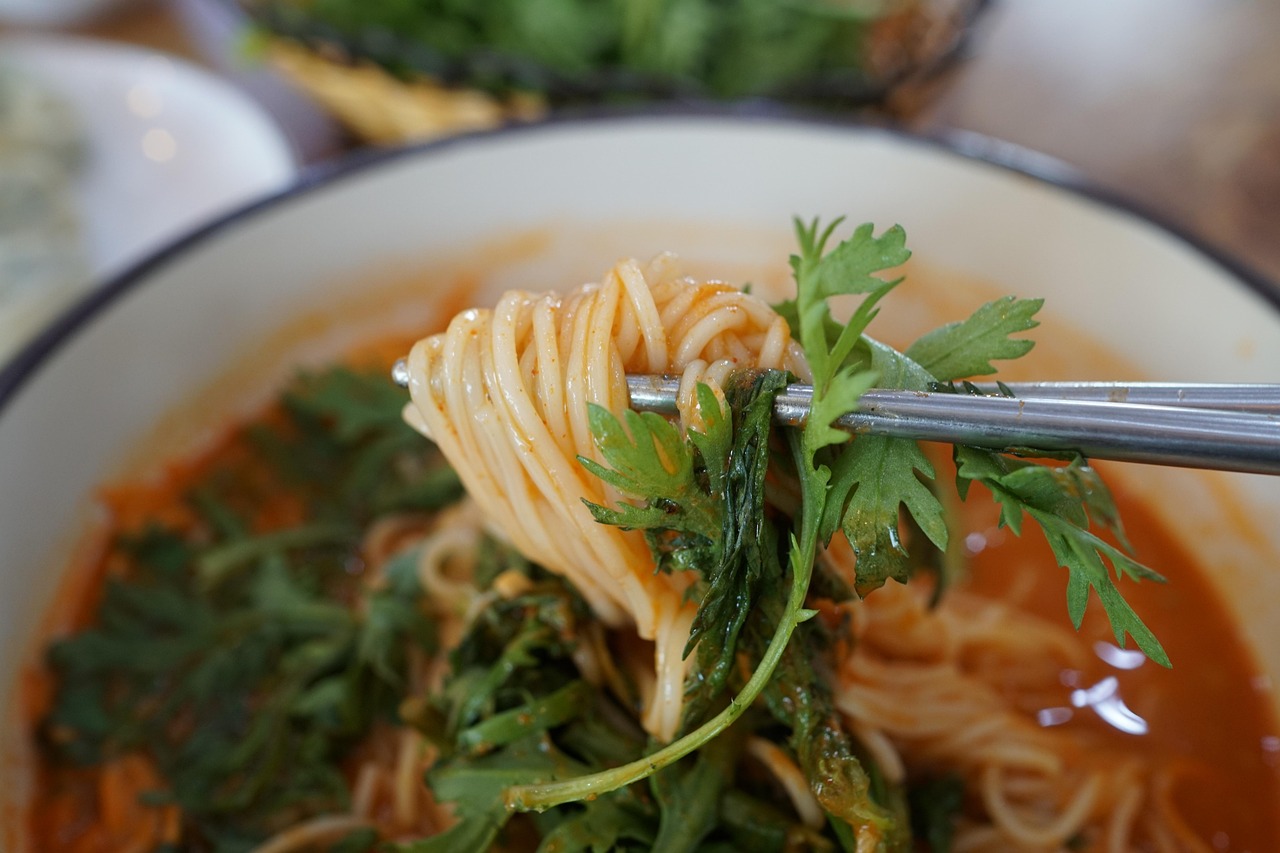
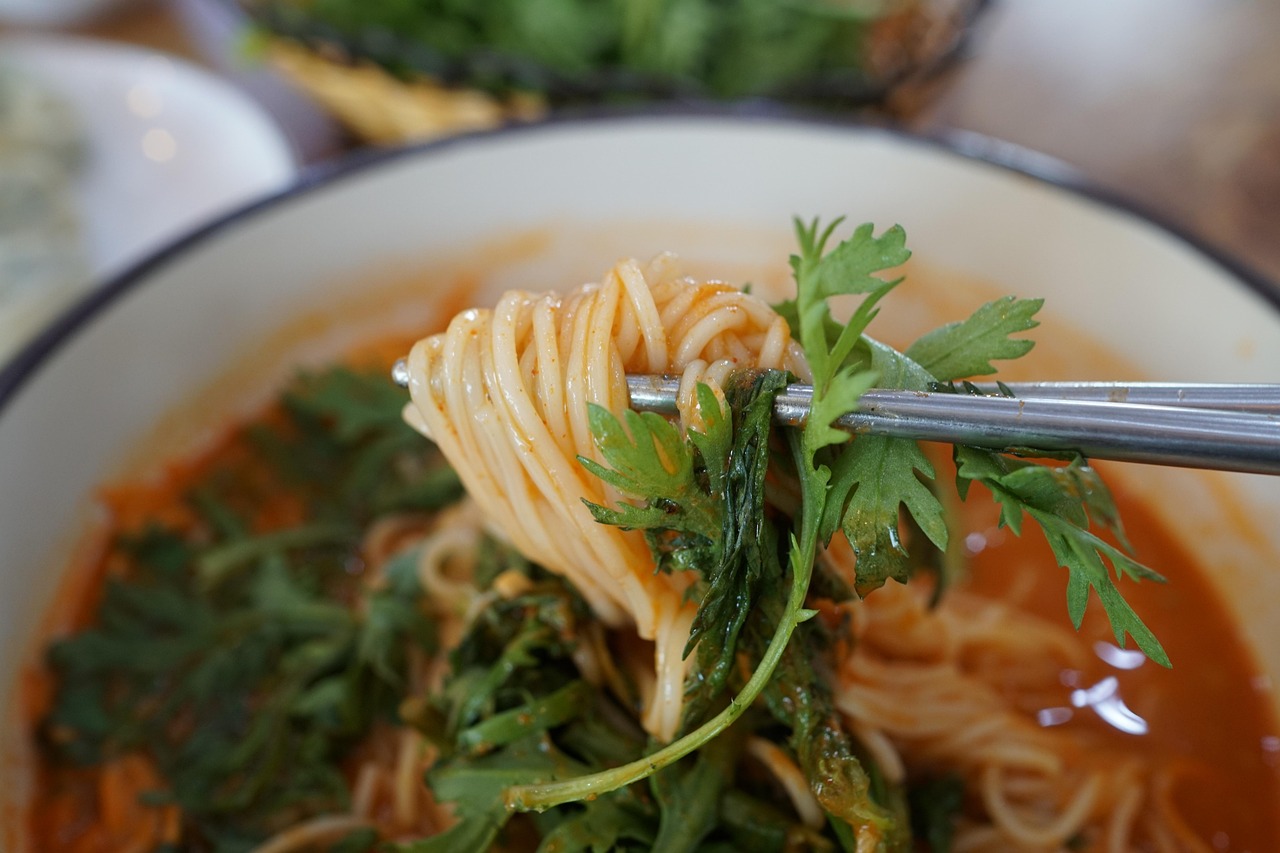
A jianbing (savory crepe) costs $1.50. Noodle bowls or dumplings average $2–$3. Even in tourist areas, street snacks rarely exceed $5.
Mid-Range Restaurants ($5–$15 per person)
A meal at a local sit-down restaurant with two dishes and rice runs $5–$10. Western casual dining (e.g., The Pizza Factory) costs $8–$15 per person.
Fine Dining ($30–$100+ per person)
High-end Chinese restaurants (e.g., Da Dong in Beijing) average $40–$60 per person. International fine dining (e.g., Ultraviolet by Paul Pairet in Shanghai) starts at $300.
Daily food budget: Budget $10–$15/day; Mid-range $25–$40/day; Luxury $80–$200+/day.
Transportation: High-Speed Trains, Buses, and Taxis
High-Speed Trains
China’s high-speed rail network is a marvel and a bargain. Fares (second class):
Beijing–Shanghai (1,300 km): $85 (~600 RMB)
Shanghai–Hangzhou (200 km): $18 (~130 RMB)
Guangzhou–Shenzhen (150 km): $12 (~85 RMB)
Comparison: A similar distance in France (Paris–Marseille) costs ~$100; in Japan (Tokyo–Osaka) ~$130. China’s trains are faster and cheaper.
Domestic Flights
For longer distances, budget airlines (Spring Airlines) offer fares $50–$150 one-way. Book early for best prices.
City Transport
Subway rides: $0.30–$0.80 per trip. Taxi start: $1.50 plus $0.50/km. Ride-hailing (Didi) often 20% cheaper than taxis. Daily city transport budget: $3–$10.
Attractions: Entrance Fees for Top Sights
Major Attractions
Attraction
Entrance Fee (USD)
Notes
Great Wall (Badaling)
$7
Most popular section
Forbidden City
$9
Peak season $12
Terracotta Warriors (Xi’an)
$15
Includes museum pass
Li River Cruise (Guilin)
$30–$60
Depending on length
Victoria Peak (Hong Kong)
Free
Tram $10
Leshan Giant Buddha
$12
Affordability Compared to Global Peers
Most temples and parks cost $3–$8. China’s attractions are highly affordable compared to global peers: the Eiffel Tower costs $30; the Grand Canyon $35.
Visa and Insurance
Chinese Tourist Visa
For US citizens, a 10-year multiple-entry visa costs $140 (plus $20–$30 processing if using an agency). UK citizens pay ~$160. Visa-free transit is available for 72–144 hours in select cities (e.g., Shanghai, Beijing).
Travel Insurance
Budget: $30–$60 for basic medical coverage (World Nomads). Comprehensive: $80–$150 (with cancellation, baggage, etc.). China has good public hospitals, but international clinics are expensive—insurance is strongly recommended.
Total Estimated Budget for One Week
Sample Budget Breakdown
Category
Budget (Low)
Mid-Range
Luxury
International Flights
$600–$900
$900–$1,500
$1,500–$2,500
Accommodation (6 nights)
$120–$180 ($20–$30/night)
$360–$600 ($60–$100/night)
$1,200–$3,000 ($200–$500/night)
Food (7 days)
$70–$105 ($10–$15/day)
$175–$280 ($25–$40/day)
$560–$1,400 ($80–$200/day)
Transport (internal)
$100–$200
$200–$400
$400–$800
Attractions & Activities
$50–$100
$100–$200
$300–$600
Visa & Insurance
$170–$200
$200–$250
$200–$300
Total
$1,110–$1,685
$1,935–$3,230
$4,160–$8,600
Note: Budget total assumes booking flights from the US/Europe. Budget travelers from Asia can cut total to $500–$700.
Comparison to Other Destinations
China vs Europe (Paris)
Expense
China (Budget/Week)
Europe (Paris)
USA (New York)
Southeast Asia (Bangkok)
Flight (roundtrip)
$600–$900
$600–$1,000
–
$500–$800
Hostel/night
$10–$15
$30–$50
$40–$60
$8–$12
Meal (street food)
$2
$10
$12
$1.50
Major attraction
$7–$15
$15–$30
$20–$35
$5–$10
Daily budget
$25–$50
$70–$120
$100–$150
$20–$40
China is significantly cheaper than Western destinations and often on par with Southeast Asia for daily expenses, though flights are longer and more expensive.
China vs USA (New York)
While not directly comparable, the table above shows that daily costs in China are roughly one-third to one-half of those in a major US city.
China vs Southeast Asia (Bangkok)
Daily expenses are similar, but China offers more developed infrastructure and diverse attractions, making it excellent value for money.
Tips for Saving Money
Planning Tips
Travel off-season: March–May and September–November offer lower prices and pleasant weather.
Book high-speed train tickets early: Discounts up to 20% via Ctrip (Trip.com).
Consider sleeper trains: Overnight trains (e.g., Beijing–Xi’an) save a night’s accommodation and cost $30–$50 for a soft sleeper.
Avoid Golden Week (October 1–7) and Chinese New Year: Prices double and crowds are enormous.
On-the-Ground Tips
Use local apps: Didi (rides), Alipay/WeChat Pay (payments), and Dianping (restaurant deals).
Eat where locals eat: Avoid tourist traps near major sights; walk 2 blocks for authentic, cheaper food.
Get a China SIM card: eSIM options like Airalo cost $10 for 1GB; local SIMs cheaper at airports.
Money-Saving Hacks
Bargain at markets: Haggling is expected at street stalls and tourist markets (start at 30–50% of asking price).
Use high-speed trains for intercity travel instead of domestic flights when possible—often cheaper and more convenient.
Frequently Asked Questions
Is it expensive to travel to China?
China is very affordable compared to Europe, the US, or Japan. A budget traveler can manage on $1,200–$1,500 per week including flights from the US. Daily expenses (excluding flights) can be as low as $30–$50.
How much money do I need for 1 week in China?
For a budget trip, around $1,200–$1,700 (including flights). Mid-range: $2,000–$3,200. Luxury: $4,000–$8,600. These figures cover all major expenses.
What is the cheapest way to get around China?
High-speed trains offer the best value for intercity travel. Within cities, use the subway (typically $0.30–$0.80 per ride) and Didi for ride-hailing. Overnight trains save both money and accommodation costs.
Do I need to tip in China?
Tipping is not customary in China and can even be considered rude in most casual settings. Some high-end hotels and tour guides may expect a small tip, but it’s not required.
How much does food cost in China?
Street food meals are $1–$3; casual restaurant meals $5–$10 per person; fine dining $30–$100+. A daily food budget of $10–$15 is realistic for budget travelers.
Is China cheaper than Southeast Asia?
For daily expenses, China is similar to Thailand or Vietnam, but international flights to China are usually more expensive from the West. However, China offers more developed infrastructure and diverse attractions.
Can I use credit cards in China?
Many places in China do not accept international credit cards. Digital payments (Alipay, WeChat Pay) are ubiquitous. Link a foreign card to Alipay before traveling. Carry some cash for small vendors.
What is the visa cost for China?
For US citizens, a 10-year multiple-entry tourist visa costs $140 plus processing fees (around $170 total). UK and EU citizens pay similar amounts. Visa-free transit is available for short stays in select cities.
Conclusion
China offers incredible value for travelers. Whether you’re a backpacker on a shoestring or a luxury seeker, you can experience one of the world’s oldest civilizations without breaking the bank. With careful planning, off-season travel, and savvy use of local apps, a memorable trip to China is surprisingly affordable. Start planning today—your wallet will thank you.
Ready to explore? Check out our guides on best places to visit in China for first-timers and how China built the world’s largest high-speed rail network.
Mục lục
Wondering how much does a trip to China cost? China remains one of the most affordable long-haul destinations for Western travelers. With well-developed tourism infrastructure, competitive pricing, and a favorable exchange rate, a trip to China can cost as little as $500–$700 per person for a week on a tight budget, or $2,000–$3,000 for a comfortable mid-range experience. This guide breaks down every expense—flights, accommodation, food, transportation, attractions, visa, and insurance—so you can plan your China adventure without breaking the bank.
Key Takeaways
Budget traveler (one week): $500–$700 (including flights from nearby Asian hubs) or $1,200–$1,500 (including flights from the US/Europe)
Mid-range traveler (one week): $1,500–$2,500 (including international flights)
Luxury traveler (one week): $4,000–$8,000+ (including international flights)
Street food: $1–$3 per meal; mid-range restaurant: $5–$10 per person
China’s high-speed rail network spans over 40,000 km—more than the rest of the world combined.
Flight Costs: Getting to China
Average Prices from Major Western Cities
Round-trip flights to China vary significantly by season and departure city. From Los Angeles (LAX) to Beijing (PEK), average economy fares range from $600–$1,200 in low season (February–March) to $1,200–$2,000 in peak summer. From New York (JFK) to Shanghai (PVG), expect $700–$1,500 (low season) and $1,300–$2,200 (peak). From London (LHR) to Beijing, prices range $500–$900 off-peak and $900–$1,500 in summer.
Tips to Save on Flights
Book 2–3 months in advance using Chinese airlines (e.g., Air China, China Eastern) for the best deals.
Consider flying into Hong Kong (HKG) or Shenzhen (SZX) and taking a high-speed train inland—sometimes cheaper.
Use flight comparison tools (e.g., Skyscanner, Kayak) with flexible dates.
Accommodation: From Hostels to Luxury Hotels
Budget Hostels & Guesthouses (under $30/night)
Dorm beds in hostels range $8–$15/night in major cities like Beijing and Shanghai; private rooms $20–$30. Budget hotels (e.g., Home Inn, 7 Days Inn) cost $25–$50/night. In smaller cities, prices can be 30% lower.
Mid-Range Hotels ($50–$120/night)
Comfortable 3-4 star hotels with breakfast average $60–$100/night in tier-1 cities. International chains (Holiday Inn, Marriott) often cost $80–$120—still affordable compared to Western equivalents.
Luxury Hotels ($150–$500+/night)
Five-star properties like the Pudong Shangri-La in Shanghai charge $200–$400/night. The legendary Banyan Tree in Lijiang starts at $300. Peak season (Golden Week, Chinese New Year) can double prices.
Food: Street Food to Fine Dining
Street Food & Local Eateries ($1–$5 per meal)
A jianbing (savory crepe) costs $1.50. Noodle bowls or dumplings average $2–$3. Even in tourist areas, street snacks rarely exceed $5.
Mid-Range Restaurants ($5–$15 per person)
A meal at a local sit-down restaurant with two dishes and rice runs $5–$10. Western casual dining (e.g., The Pizza Factory) costs $8–$15 per person.
Fine Dining ($30–$100+ per person)
High-end Chinese restaurants (e.g., Da Dong in Beijing) average $40–$60 per person. International fine dining (e.g., Ultraviolet by Paul Pairet in Shanghai) starts at $300.
Transportation: High-Speed Trains, Buses, and Taxis
High-Speed Trains
China’s high-speed rail network is a marvel and a bargain. Fares (second class):
Beijing–Shanghai (1,300 km): $85 (~600 RMB)
Shanghai–Hangzhou (200 km): $18 (~130 RMB)
Guangzhou–Shenzhen (150 km): $12 (~85 RMB)
Comparison: A similar distance in France (Paris–Marseille) costs ~$100; in Japan (Tokyo–Osaka) ~$130. China’s trains are faster and cheaper.
Domestic Flights
For longer distances, budget airlines (Spring Airlines) offer fares $50–$150 one-way. Book early for best prices.
City Transport
Subway rides: $0.30–$0.80 per trip. Taxi start: $1.50 plus $0.50/km. Ride-hailing (Didi) often 20% cheaper than taxis. Daily city transport budget: $3–$10.
Attractions: Entrance Fees for Top Sights
Major Attractions
Attraction
Entrance Fee (USD)
Notes
Great Wall (Badaling)
$7
Most popular section
Forbidden City
$9
Peak season $12
Terracotta Warriors (Xi’an)
$15
Includes museum pass
Li River Cruise (Guilin)
$30–$60
Depending on length
Victoria Peak (Hong Kong)
Free
Tram $10
Leshan Giant Buddha
$12
Affordability Compared to Global Peers
Most temples and parks cost $3–$8. China’s attractions are highly affordable compared to global peers: the Eiffel Tower costs $30; the Grand Canyon $35.
Visa and Insurance
Chinese Tourist Visa
For US citizens, a 10-year multiple-entry visa costs $140 (plus $20–$30 processing if using an agency). UK citizens pay ~$160. Visa-free transit is available for 72–144 hours in select cities (e.g., Shanghai, Beijing).
Travel Insurance
Budget: $30–$60 for basic medical coverage (World Nomads). Comprehensive: $80–$150 (with cancellation, baggage, etc.). China has good public hospitals, but international clinics are expensive—insurance is strongly recommended.
Total Estimated Budget for One Week
Sample Budget Breakdown
Category
Budget (Low)
Mid-Range
Luxury
International Flights
$600–$900
$900–$1,500
$1,500–$2,500
Accommodation (6 nights)
$120–$180 ($20–$30/night)
$360–$600 ($60–$100/night)
$1,200–$3,000 ($200–$500/night)
Food (7 days)
$70–$105 ($10–$15/day)
$175–$280 ($25–$40/day)
$560–$1,400 ($80–$200/day)
Transport (internal)
$100–$200
$200–$400
$400–$800
Attractions & Activities
$50–$100
$100–$200
$300–$600
Visa & Insurance
$170–$200
$200–$250
$200–$300
Total
$1,110–$1,685
$1,935–$3,230
$4,160–$8,600
Note: Budget total assumes booking flights from the US/Europe. Budget travelers from Asia can cut total to $500–$700.
Comparison to Other Destinations
China vs Europe (Paris)
Expense
China (Budget/Week)
Europe (Paris)
USA (New York)
Southeast Asia (Bangkok)
Flight (roundtrip)
$600–$900
$600–$1,000
–
$500–$800
Hostel/night
$10–$15
$30–$50
$40–$60
$8–$12
Meal (street food)
$2
$10
$12
$1.50
Major attraction
$7–$15
$15–$30
$20–$35
$5–$10
Daily budget
$25–$50
$70–$120
$100–$150
$20–$40
China is significantly cheaper than Western destinations and often on par with Southeast Asia for daily expenses, though flights are longer and more expensive.
China vs USA (New York)
While not directly comparable, the table above shows that daily costs in China are roughly one-third to one-half of those in a major US city.
China vs Southeast Asia (Bangkok)
Daily expenses are similar, but China offers more developed infrastructure and diverse attractions, making it excellent value for money.
Tips for Saving Money
Planning Tips
Travel off-season: March–May and September–November offer lower prices and pleasant weather.
Book high-speed train tickets early: Discounts up to 20% via Ctrip (Trip.com).
Consider sleeper trains: Overnight trains (e.g., Beijing–Xi’an) save a night’s accommodation and cost $30–$50 for a soft sleeper.
Avoid Golden Week (October 1–7) and Chinese New Year: Prices double and crowds are enormous.
On-the-Ground Tips
Use local apps: Didi (rides), Alipay/WeChat Pay (payments), and Dianping (restaurant deals).
Eat where locals eat: Avoid tourist traps near major sights; walk 2 blocks for authentic, cheaper food.
Get a China SIM card: eSIM options like Airalo cost $10 for 1GB; local SIMs cheaper at airports.
Money-Saving Hacks
Bargain at markets: Haggling is expected at street stalls and tourist markets (start at 30–50% of asking price).
Use high-speed trains for intercity travel instead of domestic flights when possible—often cheaper and more convenient.
Frequently Asked Questions
Is it expensive to travel to China?
China is very affordable compared to Europe, the US, or Japan. A budget traveler can manage on $1,200–$1,500 per week including flights from the US. Daily expenses (excluding flights) can be as low as $30–$50.
How much money do I need for 1 week in China?
For a budget trip, around $1,200–$1,700 (including flights). Mid-range: $2,000–$3,200. Luxury: $4,000–$8,600. These figures cover all major expenses.
What is the cheapest way to get around China?
High-speed trains offer the best value for intercity travel. Within cities, use the subway (typically $0.30–$0.80 per ride) and Didi for ride-hailing. Overnight trains save both money and accommodation costs.
Do I need to tip in China?
Tipping is not customary in China and can even be considered rude in most casual settings. Some high-end hotels and tour guides may expect a small tip, but it’s not required.
How much does food cost in China?
Street food meals are $1–$3; casual restaurant meals $5–$10 per person; fine dining $30–$100+. A daily food budget of $10–$15 is realistic for budget travelers.
Is China cheaper than Southeast Asia?
For daily expenses, China is similar to Thailand or Vietnam, but international flights to China are usually more expensive from the West. However, China offers more developed infrastructure and diverse attractions.
Can I use credit cards in China?
Many places in China do not accept international credit cards. Digital payments (Alipay, WeChat Pay) are ubiquitous. Link a foreign card to Alipay before traveling. Carry some cash for small vendors.
What is the visa cost for China?
For US citizens, a 10-year multiple-entry tourist visa costs $140 plus processing fees (around $170 total). UK and EU citizens pay similar amounts. Visa-free transit is available for short stays in select cities.
Conclusion
China offers incredible value for travelers. Whether you’re a backpacker on a shoestring or a luxury seeker, you can experience one of the world’s oldest civilizations without breaking the bank. With careful planning, off-season travel, and savvy use of local apps, a memorable trip to China is surprisingly affordable. Start planning today—your wallet will thank you.
China is one of the safest destinations for tourists in 2025, with a violent crime rate of 0.5 per 100,000. Learn about security measures, scams, and solo travel tips in this comprehensive guide.
After visiting five different sections of the Great Wall over eight years in China, I can tell you one thing bluntly: Badaling is a mistake. Here's where t
Spring (April-May) and autumn (September-October) offer the best weather to visit most of China, but your ideal time depends on destination. Avoid Golden Week and Chinese New Year for fewer crowds.
4 thoughts on “How Much Does a Trip to China Cost? (2026 Budget Guide)”
Useful comparison. I wonder if prices will go up due to inflation. Thanks for the tips!



Useful comparison. I wonder if prices will go up due to inflation. Thanks for the tips!
I’m planning a trip in 2026. This helps. How about costs for food? Is street food cheap?
Great breakdown! I’m planning a trip for next spring. Did you find any hidden costs like visa fees or transportation?
Great article! What about tipping culture? Is it expected?