Discover the true cost of a trip to China in 2026. From flights and visas to daily expenses, we break down budgets for backpackers, mid-range, and luxury travelers. Save money with our expert tips.
Ready
EN
Mục lục
Key Takeaways
Table of Contents
Flights to China – Price Ranges and Saving Tips
Average Airfare from Major Regions
How to Score Cheap Flights
Accommodation – From Hostels to Luxury Hotels
Budget Stays: Hostels and Guesthouses
Mid-Range and Luxury Options
Food – Eating Well on Any Budget
Street Food and Local Eateries
Mid-Range and Fine Dining
Transportation – Cheap and Efficient Travel
Public Transit in Cities
High-Speed Rail vs. Domestic Flights
Attractions – Entrance Fees and Free Experiences
Major Paid Attractions
Free and Low-Cost Activities
Visa and Insurance – Mandatory Costs
Visa Fees
Travel Insurance
Sample Budgets for Different Traveler Types
Backpacker Budget ($30–50/day)
Mid-Range Budget ($100–150/day)
Luxury Budget ($300+/day)
Money-Saving Tips and Practical Advice
Use Mobile Payments
Book in Advance and Travel Off-Peak
Internal Links for Further Reading
FAQ
Conclusion
Planning a trip to China often raises the question: how much does a trip to China cost? The answer might surprise you. With a budget of just $30–50 per day (excluding flights), you can explore ancient wonders, savor world-class cuisine, and zip across the country on high-speed trains. Yet many travelers spend far more—often unnecessarily. In this guide, we break down every cost: flights, accommodation, food, transport, attractions, visas, and insurance. We also provide sample budgets for backpackers, mid-range travelers, and luxury seekers, plus insider tips to save money. Whether you’re dreaming of the Great Wall or the neon streets of Shanghai, here’s exactly what you need to budget.
Key Takeaways
Budget traveler: $30–50/day (dorm beds, street food, local transport)
Mid-range traveler: $100–150/day (private rooms, nice restaurants, some taxis)
Luxury traveler: $300+/day (5-star hotels, fine dining, first-class trains)
Round-trip flight from US: $600–1,200 depending on season and departure city
China tourist visa (L visa): ~$140 for US citizens (plus agency fees)
High-speed rail Beijing→Shanghai: ~$80 second class
Table of Contents
Flights to China
Accommodation
Food
Transportation
Attractions
Visa and Insurance
Sample Budgets
Money-Saving Tips
FAQ
Conclusion
Flights to China – Price Ranges and Saving Tips
Average Airfare from Major Regions
The cost of flying to China varies widely by origin and time of year. According to Skyscanner, round-trip flights from the United States average $600–$1,200. From Europe, you can often find fares between €400 and €800 ($450–900). From Southeast Asia, budget airlines like AirAsia offer flights for as low as $100–200. Book at least 2–3 months in advance and consider flying into hubs like Beijing, Shanghai, or Guangzhou for the best deals.
How to Score Cheap Flights
Use incognito mode when searching; airlines sometimes track cookies and raise prices.
Travel during shoulder seasons (April–May and September–October) when demand is lower.
Consider indirect routes via Hong Kong, Seoul, or Tokyo; they can save $100–300.
Sign up for fare alerts on Google Flights or Skyscanner.
Departure RegionAverage Round-Trip Price (Economy)
United States$600 – $1,200
Europe€400 – €800 (~$450 – $900)
Southeast Asia$100 – $400
Australia/New ZealandAUD 700–1,200 (~$470–$800)
Accommodation – From Hostels to Luxury Hotels
Budget Stays: Hostels and Guesthouses
China has a thriving hostel scene, especially in cities like Beijing, Shanghai, and Chengdu. A dorm bed typically costs ¥60–120 ($9–$18). Private rooms in budget hotels (like Hanting or Jinjiang Inn) start at ¥150–250 ($23–$38) per night. These are clean, safe, and often include free wifi and breakfast.
Mid-Range and Luxury Options
Mid-range chain hotels (e.g., Holiday Inn Express, Ibis) run ¥300–600 ($46–$92) per night. For luxury, five-star international hotels (Ritz-Carlton, Four Seasons) cost ¥1,000–2,500 ($154–$385) per night. Unique boutique hotels in historic areas like the Bund in Shanghai or traditional courtyard hotels in Beijing are also available in the $100–200 range.
Accommodation TypePrice per Night (RMB)Price per Night (USD)
Hostel dorm60–120$9–$18
Budget hotel150–250$23–$38
Mid-range hotel300–600$46–$92
Luxury hotel1,000–2,500$154–$385
Food – Eating Well on Any Budget
Street Food and Local Eateries
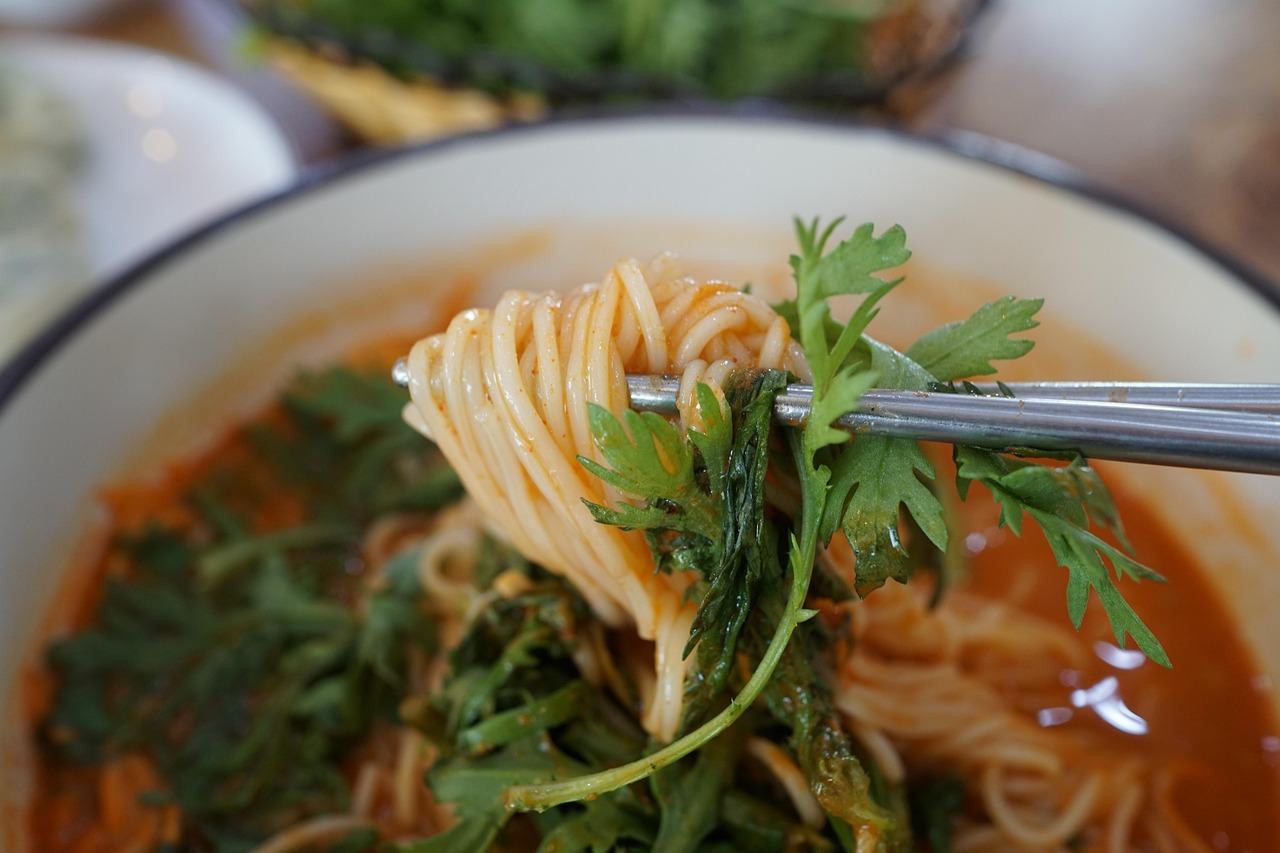
China is a paradise for food lovers on a shoestring. A bowl of noodles or dumplings from a street stall costs just ¥10–20 ($1.5–$3). A hearty meal at a local restaurant (like a two-dish combo with rice) runs ¥25–40 ($4–$6). Even in expensive cities like Shanghai, you can eat well for under ¥50 ($7.70) per meal.
Mid-Range and Fine Dining
A sit-down dinner at a mid-range restaurant with local specialties averages ¥60–120 ($9–$18). International cuisine or upscale Chinese restaurants charge ¥150–300 ($23–$46) per person. Fine dining experiences in top hotels or Michelin-starred restaurants can exceed ¥500 ($77) per person. Don’t miss the famous Beijing roast duck (全聚德) for about ¥200 ($31) for a whole duck.
Transportation – Cheap and Efficient Travel
Public Transit in Cities
Metro systems in Chinese cities are extensive and affordable. A single ride costs ¥2–10 ($0.30–$1.50). Buses are even cheaper at ¥1–2 ($0.15–$0.30). Taxis start at ¥10–14 ($1.5–$2.2) for the first 3 km. Ride-hailing apps like Didi are widely used and slightly more expensive than taxis but still very cheap.
High-Speed Rail vs. Domestic Flights
China’s high-speed rail network is the world’s largest, covering over 40,000 km. A second-class ticket from Beijing to Shanghai (1,300 km) costs about ¥553 ($85). For comparison, a domestic flight on the same route can be as cheap as ¥400–600 ($62–$92) if booked in advance, but you must factor in airport transfer time. For medium distances (under 1,000 km), the train is often faster and more convenient. Overnight sleeper trains (hard sleeper) are a budget-friendly option for long distances, costing ¥300–500 ($46–$77) for a bed.
Attractions – Entrance Fees and Free Experiences
Major Paid Attractions
China’s iconic sites are surprisingly affordable. The Forbidden City charges ¥60 ($9) in peak season, and the Great Wall at Badaling costs ¥40 ($6). The Terracotta Army in Xi’an is ¥120 ($18). Many parks and temples charge ¥10–30 ($1.5–$4.6). Museum entry is often free or under ¥50.
Free and Low-Cost Activities
Wander through hutongs (historic alleys) in Beijing.
Stroll along the Bund in Shanghai.
Explore West Lake in Hangzhou (free to walk around).
Visit ancient towns like Lijiang or Pingyao (entry fee ¥50–100, but worth it).
Hike sections of the Great Wall that are not restored (free but more rugged).
Visa and Insurance – Mandatory Costs
Visa Fees
Most tourists need an L visa (tourist visa) before arrival. For US citizens, the fee is $140 for a single-entry visa, plus a service fee of $20–40 if using a visa agency. Citizens of many other countries pay similar amounts. Processing takes about 4–7 business days. Some countries (Singapore, Brunei, Japan) have visa-free access for short stays.
Travel Insurance
Travel insurance is strongly recommended. A basic policy covering medical, trip cancellation, and lost luggage costs $30–$100 per week. Comprehensive plans with higher limits run $100–$200 per week. Always check that the policy covers COVID-19-related issues.
Sample Budgets for Different Traveler Types
Backpacker Budget ($30–50/day)
Accommodation: Dorm bed ($10)
Food: Street food + local meals ($10)
Transport: Metro/bus ($3)
Attractions: 1–2 paid sites ($10)
Misc: Water, snacks, SIM card ($5)
Total: ~$38/day
Mid-Range Budget ($100–150/day)
Accommodation: Mid-range hotel room ($50)
Food: Nice restaurants + some street food ($25)
Transport: Metro + occasional Didi/taxi ($10)
Attractions: 1–2 paid sites ($15)
Misc: Souvenirs, drinks, tips ($15)
Total: ~$115/day
Luxury Budget ($300+/day)
Accommodation: 5-star hotel ($180)
Food: Fine dining + high-end restaurants ($80)
Transport: Private car or first-class train ($40)
Attractions: VIP tours, special experiences ($50)
Misc: Shopping, spa, luxury extras ($50)
Total: ~$400/day
Traveler TypeDaily Budget (USD)Weekly Budget (USD)Monthly Budget (USD)
Backpacker$30–50$210–350$900–1,500
Mid-range$100–150$700–1,050$3,000–4,500
Luxury$300–500$2,100–3,500$9,000–15,000
Money-Saving Tips and Practical Advice
Use Mobile Payments
China is a cashless society. Download Alipay or WeChat Pay before your trip. Link your international credit card (Visa, Mastercard) or use a prepaid travel card. Many vendors don’t accept cash, and card acceptance is limited. These apps also offer discounts and coupons.
Book in Advance and Travel Off-Peak
Book train tickets online via 12306.cn (English version available) or use travel agencies. Tickets go on sale 15 days ahead.
For flights, book 2–3 months in advance for the best rates.
Avoid Chinese national holidays (Spring Festival in Jan/Feb, Golden Week in Oct) when prices skyrocket.
Travel during spring (April–May) or autumn (September–October) for pleasant weather and lower prices.
Internal Links for Further Reading
For first-time travelers, check our Best Places to Visit China First Timers Guide.
Learn how to navigate China’s transportation system in our article on How China Built Its World’s Largest High-Speed Rail Network.
Curious about living costs? See What Salary to Live in Shanghai.
FAQ
Q: Do I need to bring cash to China?
A: While some street vendors and small shops accept cash, most transactions are digital. It’s wise to carry a small amount of RMB (¥500–1,000) for emergencies, but rely on Alipay or WeChat Pay for daily expenses.
Q: Is it cheaper to book tours or travel independently?
A: Independent travel is almost always cheaper if you speak some Chinese or use apps like Google Translate. But guided tours can save time and reduce stress. For budget travelers, DIY is best; for luxury, consider private tours.
Q: How much should I tip in China?
A: Tipping is not customary in China, except for high-end hotels or guides. In restaurants, a service charge is often included. No need to tip taxi drivers or waitstaff.
Q: What is the best time to visit China for lower costs?
A: Shoulder seasons (April–May and September–October) offer lower airfare and hotel rates, plus comfortable weather. Avoid Chinese New Year and National Day holiday week.
Q: Can I use my credit card in China?
A: International credit cards (Visa, Mastercard) are accepted at major hotels, upscale restaurants, and some shops. However, most local establishments, including metro vending machines and smaller eateries, require Alipay/WeChat Pay or cash.
Q: Do I need a visa to enter China?
A: Yes, most nationalities require a tourist visa (L visa) before arrival. US citizens pay $140. Apply at least 2 weeks in advance. Some countries have visa-free agreements for short stays (e.g., Singapore, Brunei).
Q: How much does high-speed rail cost relative to flying?
A: For distances under 800 km, high-speed rail is often cheaper and more time-efficient when factoring in airport transit. For longer distances, flights may be cheaper if booked in advance, but train travel offers more comfort and scenic views.
Q: Are there any hidden costs for tourists in China?
A: Some attractions charge extra for camera fees (¥10–50). Also, expect to pay for bottled water (¥2–5) as tap water is not potable. SIM cards for tourists cost around ¥100 ($15) for a month’s data.
Conclusion
China offers incredible value for money, with budget-friendly options from street food to high-speed trains. Whether you’re a backpacker spending $38 a day or a luxury traveler indulging in $400 daily splurges, the Middle Kingdom delivers unforgettable experiences without breaking the bank. Start planning your trip—use our budgets as a guide, download Alipay, and book early for the best deals. For more tips on exploring China, read our Best Places to Visit China First Timers Guide and dive into the wonders of this vast country.
Mục lục
Planning a trip to China often raises the question: how much does a trip to China cost? The answer might surprise you. With a budget of just $30–50 per day (excluding flights), you can explore ancient wonders, savor world-class cuisine, and zip across the country on high-speed trains. Yet many travelers spend far more—often unnecessarily. In this guide, we break down every cost: flights, accommodation, food, transport, attractions, visas, and insurance. We also provide sample budgets for backpackers, mid-range travelers, and luxury seekers, plus insider tips to save money. Whether you’re dreaming of the Great Wall or the neon streets of Shanghai, here’s exactly what you need to budget.
Key Takeaways
Budget traveler: $30–50/day (dorm beds, street food, local transport)
Mid-range traveler: $100–150/day (private rooms, nice restaurants, some taxis)
Luxury traveler: $300+/day (5-star hotels, fine dining, first-class trains)
Round-trip flight from US: $600–1,200 depending on season and departure city
China tourist visa (L visa): ~$140 for US citizens (plus agency fees)
High-speed rail Beijing→Shanghai: ~$80 second class
Flights to China – Price Ranges and Saving Tips
Average Airfare from Major Regions
The cost of flying to China varies widely by origin and time of year. According to Skyscanner, round-trip flights from the United States average $600–$1,200. From Europe, you can often find fares between €400 and €800 ($450–900). From Southeast Asia, budget airlines like AirAsia offer flights for as low as $100–200. Book at least 2–3 months in advance and consider flying into hubs like Beijing, Shanghai, or Guangzhou for the best deals.
How to Score Cheap Flights
Use incognito mode when searching; airlines sometimes track cookies and raise prices.
Travel during shoulder seasons (April–May and September–October) when demand is lower.
Consider indirect routes via Hong Kong, Seoul, or Tokyo; they can save $100–300.
Sign up for fare alerts on Google Flights or Skyscanner.
Departure Region
Average Round-Trip Price (Economy)
United States
$600 – $1,200
Europe
€400 – €800 (~$450 – $900)
Southeast Asia
$100 – $400
Australia/New Zealand
AUD 700–1,200 (~$470–$800)
Accommodation – From Hostels to Luxury Hotels
Budget Stays: Hostels and Guesthouses
China has a thriving hostel scene, especially in cities like Beijing, Shanghai, and Chengdu. A dorm bed typically costs ¥60–120 ($9–$18). Private rooms in budget hotels (like Hanting or Jinjiang Inn) start at ¥150–250 ($23–$38) per night. These are clean, safe, and often include free wifi and breakfast.
Mid-Range and Luxury Options
Mid-range chain hotels (e.g., Holiday Inn Express, Ibis) run ¥300–600 ($46–$92) per night. For luxury, five-star international hotels (Ritz-Carlton, Four Seasons) cost ¥1,000–2,500 ($154–$385) per night. Unique boutique hotels in historic areas like the Bund in Shanghai or traditional courtyard hotels in Beijing are also available in the $100–200 range.
Accommodation Type
Price per Night (RMB)
Price per Night (USD)
Hostel dorm
60–120
$9–$18
Budget hotel
150–250
$23–$38
Mid-range hotel
300–600
$46–$92
Luxury hotel
1,000–2,500
$154–$385
Food – Eating Well on Any Budget
Street Food and Local Eateries
China is a paradise for food lovers on a shoestring. A bowl of noodles or dumplings from a street stall costs just ¥10–20 ($1.5–$3). A hearty meal at a local restaurant (like a two-dish combo with rice) runs ¥25–40 ($4–$6). Even in expensive cities like Shanghai, you can eat well for under ¥50 ($7.70) per meal.
Mid-Range and Fine Dining
A sit-down dinner at a mid-range restaurant with local specialties averages ¥60–120 ($9–$18). International cuisine or upscale Chinese restaurants charge ¥150–300 ($23–$46) per person. Fine dining experiences in top hotels or Michelin-starred restaurants can exceed ¥500 ($77) per person. Don’t miss the famous Beijing roast duck (全聚德) for about ¥200 ($31) for a whole duck.
Transportation – Cheap and Efficient Travel
Public Transit in Cities
Metro systems in Chinese cities are extensive and affordable. A single ride costs ¥2–10 ($0.30–$1.50). Buses are even cheaper at ¥1–2 ($0.15–$0.30). Taxis start at ¥10–14 ($1.5–$2.2) for the first 3 km. Ride-hailing apps like Didi are widely used and slightly more expensive than taxis but still very cheap.
High-Speed Rail vs. Domestic Flights
China’s high-speed rail network is the world’s largest, covering over 40,000 km. A second-class ticket from Beijing to Shanghai (1,300 km) costs about ¥553 ($85). For comparison, a domestic flight on the same route can be as cheap as ¥400–600 ($62–$92) if booked in advance, but you must factor in airport transfer time. For medium distances (under 1,000 km), the train is often faster and more convenient. Overnight sleeper trains (hard sleeper) are a budget-friendly option for long distances, costing ¥300–500 ($46–$77) for a bed.
Attractions – Entrance Fees and Free Experiences
Major Paid Attractions
China’s iconic sites are surprisingly affordable. The Forbidden City charges ¥60 ($9) in peak season, and the Great Wall at Badaling costs ¥40 ($6). The Terracotta Army in Xi’an is ¥120 ($18). Many parks and temples charge ¥10–30 ($1.5–$4.6). Museum entry is often free or under ¥50.
Free and Low-Cost Activities
Wander through hutongs (historic alleys) in Beijing.
Stroll along the Bund in Shanghai.
Explore West Lake in Hangzhou (free to walk around).
Visit ancient towns like Lijiang or Pingyao (entry fee ¥50–100, but worth it).
Hike sections of the Great Wall that are not restored (free but more rugged).
Visa and Insurance – Mandatory Costs
Visa Fees
Most tourists need an L visa (tourist visa) before arrival. For US citizens, the fee is $140 for a single-entry visa, plus a service fee of $20–40 if using a visa agency. Citizens of many other countries pay similar amounts. Processing takes about 4–7 business days. Some countries (Singapore, Brunei, Japan) have visa-free access for short stays.
Travel Insurance
Travel insurance is strongly recommended. A basic policy covering medical, trip cancellation, and lost luggage costs $30–$100 per week. Comprehensive plans with higher limits run $100–$200 per week. Always check that the policy covers COVID-19-related issues.
Sample Budgets for Different Traveler Types
Backpacker Budget ($30–50/day)
Accommodation: Dorm bed ($10)
Food: Street food + local meals ($10)
Transport: Metro/bus ($3)
Attractions: 1–2 paid sites ($10)
Misc: Water, snacks, SIM card ($5)
Total: ~$38/day
Mid-Range Budget ($100–150/day)
Accommodation: Mid-range hotel room ($50)
Food: Nice restaurants + some street food ($25)
Transport: Metro + occasional Didi/taxi ($10)
Attractions: 1–2 paid sites ($15)
Misc: Souvenirs, drinks, tips ($15)
Total: ~$115/day
Luxury Budget ($300+/day)
Accommodation: 5-star hotel ($180)
Food: Fine dining + high-end restaurants ($80)
Transport: Private car or first-class train ($40)
Attractions: VIP tours, special experiences ($50)
Misc: Shopping, spa, luxury extras ($50)
Total: ~$400/day
Traveler Type
Daily Budget (USD)
Weekly Budget (USD)
Monthly Budget (USD)
Backpacker
$30–50
$210–350
$900–1,500
Mid-range
$100–150
$700–1,050
$3,000–4,500
Luxury
$300–500
$2,100–3,500
$9,000–15,000
Money-Saving Tips and Practical Advice
Use Mobile Payments
China is a cashless society. Download Alipay or WeChat Pay before your trip. Link your international credit card (Visa, Mastercard) or use a prepaid travel card. Many vendors don’t accept cash, and card acceptance is limited. These apps also offer discounts and coupons.
Book in Advance and Travel Off-Peak
Book train tickets online via 12306.cn (English version available) or use travel agencies. Tickets go on sale 15 days ahead.
For flights, book 2–3 months in advance for the best rates.
Avoid Chinese national holidays (Spring Festival in Jan/Feb, Golden Week in Oct) when prices skyrocket.
Travel during spring (April–May) or autumn (September–October) for pleasant weather and lower prices.
Q: Do I need to bring cash to China?
A: While some street vendors and small shops accept cash, most transactions are digital. It’s wise to carry a small amount of RMB (¥500–1,000) for emergencies, but rely on Alipay or WeChat Pay for daily expenses.
Q: Is it cheaper to book tours or travel independently?
A: Independent travel is almost always cheaper if you speak some Chinese or use apps like Google Translate. But guided tours can save time and reduce stress. For budget travelers, DIY is best; for luxury, consider private tours.
Q: How much should I tip in China?
A: Tipping is not customary in China, except for high-end hotels or guides. In restaurants, a service charge is often included. No need to tip taxi drivers or waitstaff.
Q: What is the best time to visit China for lower costs?
A: Shoulder seasons (April–May and September–October) offer lower airfare and hotel rates, plus comfortable weather. Avoid Chinese New Year and National Day holiday week.
Q: Can I use my credit card in China?
A: International credit cards (Visa, Mastercard) are accepted at major hotels, upscale restaurants, and some shops. However, most local establishments, including metro vending machines and smaller eateries, require Alipay/WeChat Pay or cash.
Q: Do I need a visa to enter China?
A: Yes, most nationalities require a tourist visa (L visa) before arrival. US citizens pay $140. Apply at least 2 weeks in advance. Some countries have visa-free agreements for short stays (e.g., Singapore, Brunei).
Q: How much does high-speed rail cost relative to flying?
A: For distances under 800 km, high-speed rail is often cheaper and more time-efficient when factoring in airport transit. For longer distances, flights may be cheaper if booked in advance, but train travel offers more comfort and scenic views.
Q: Are there any hidden costs for tourists in China?
A: Some attractions charge extra for camera fees (¥10–50). Also, expect to pay for bottled water (¥2–5) as tap water is not potable. SIM cards for tourists cost around ¥100 ($15) for a month’s data.
Conclusion
China offers incredible value for money, with budget-friendly options from street food to high-speed trains. Whether you’re a backpacker spending $38 a day or a luxury traveler indulging in $400 daily splurges, the Middle Kingdom delivers unforgettable experiences without breaking the bank. Start planning your trip—use our budgets as a guide, download Alipay, and book early for the best deals. For more tips on exploring China, read our Best Places to Visit China First Timers Guide and dive into the wonders of this vast country.
China is one of the safest destinations for tourists in 2025, with a violent crime rate of 0.5 per 100,000. Learn about security measures, scams, and solo travel tips in this comprehensive guide.
Spring (April-May) and autumn (September-October) offer the best weather to visit most of China, but your ideal time depends on destination. Avoid Golden Week and Chinese New Year for fewer crowds.
Planning your first trip to China? Discover the must-see destinations including Beijing's Great Wall, Shanghai's skyline, Xi'an's Terracotta Army, Guilin's karst mountains, and Chengdu's pandas. Get practical tips and a sample itinerary.
One thought on “How Much Does a Trip to China Cost in 2026? A Complete Budget Guide”
Just came back from 2 weeks in China, spent about $1800 all-in from London. Your guide would have saved me hours!




Just came back from 2 weeks in China, spent about $1800 all-in from London. Your guide would have saved me hours!