Wondering if China is safe for tourists in 2025? With a homicide rate of 0.5 per 100,000 and extensive security measures, China offers a secure and welcoming environment for travelers.
Ready
EN
Mục lục
Key Takeaways
Table of Contents
Low Crime Rates: A Statistical Overview
International Comparisons
Violent Crime in Major Cities
Strict Gun Control and Its Impact
No Private Firearms
Deterrent Effect
Public Security Measures: Surveillance and Police Presence
The Surveillance Network
Tourist Police
Health and Medical Safety for Tourists
Healthcare Quality
Emergency Services
Traffic and Transportation Safety
High-Speed Rail
Subways and Buses
Food and Water Safety
Food Regulations
Common Precautions
Cultural Respect and Local Hospitality
Helpful Locals
Safety in Numbers
Comparison with Other Popular Destinations
Frequently Asked Questions
Is China safe for solo female travelers in 2025?
How does China’s safety compare to Japan or Singapore?
Are there any regions in China with higher crime that tourists should avoid?
What should I do if I encounter a medical emergency as a tourist in China?
Is it safe to drink tap water in China?
How reliable is the police in helping foreign tourists?
Are there any safety concerns for LGBTQ+ travelers in China?
What is the current status of COVID-19 restrictions for tourists in 2025?
Conclusion
Is China safe for tourists in 2025? This is a common question for travelers planning a trip. With a homicide rate of just 0.5 per 100,000 people—one of the lowest in the world—China consistently ranks among the safest destinations. In this guide, we explore crime statistics, public security measures, health standards, and cultural factors that make China a secure choice. From advanced surveillance to helpful locals, discover why millions visit China with confidence.
Key Takeaways
Low crime rates: China’s violent crime rate is significantly lower than in the US and many European countries. Homicide rate: 0.5 per 100,000 vs. 6.4 in the US.
Strict gun control: Private firearm ownership is virtually non-existent, reducing the risk of gun violence.
Extensive surveillance: Over 200 million cameras monitored by AI and police ensure rapid response to incidents.
Tourist-friendly police: Specialized units in major cities assist foreigners with language and safety concerns.
Excellent transport safety: China’s high-speed rail network has an impeccable safety record since its inception in 2007.
Table of Contents
Low Crime Rates: A Statistical Overview
Strict Gun Control and Its Impact
Public Security Measures: Surveillance and Police Presence
Health and Medical Safety for Tourists
Traffic and Transportation Safety
Food and Water Safety
Cultural Respect and Local Hospitality
Comparison with Other Popular Destinations
Frequently Asked Questions
Conclusion
Low Crime Rates: A Statistical Overview
International Comparisons
China’s safety index in 2023 was 74.6, placing it above countries like the United Kingdom (56.8) and the United States (48.2) according to Numbeo. The homicide rate is five times lower than the global average. Petty theft does occur in crowded tourist areas, but violent crime against foreigners is rare.
Violent Crime in Major Cities
In Beijing and Shanghai, the incidence of robbery and assault is extremely low. For example, Shanghai’s crime rate per 1,000 residents is about 0.3, compared to 4.7 in New York City. Tourists can walk safely at night in most urban areas, though standard precautions apply.
City
Homicide Rate (per 100,000)
Safety Index
Beijing
0.3
75.2
Shanghai
0.2
78.1
New York
4.5
48.0
London
1.2
56.8
(Data from UNODC and Numbeo)
Strict Gun Control and Its Impact
No Private Firearms
China has some of the world’s strictest gun laws. Civilians are prohibited from owning firearms except under exceptional circumstances (e.g., hunting in remote areas). This has virtually eliminated mass shootings and gun-related homicides, creating a safer environment for tourists.
Deterrent Effect
The conviction rate for violent crimes exceeds 99%, including a high rate for illegal firearms possession. This strong enforcement deters potential offenders.
Public Security Measures: Surveillance and Police Presence
The Surveillance Network
China’s public security system includes over 200 million surveillance cameras, supported by facial recognition technology. This network helps prevent crime and quickly identify suspects. In tourist areas like the Forbidden City or the Bund, cameras are omnipresent but unobtrusive.
Tourist Police
Cities like Beijing, Shanghai, and Xi’an have dedicated tourist police units. Officers speak English and other languages, provide directions, and can assist with lost property or disputes. They patrol major attractions and are easily identifiable.
Health and Medical Safety for Tourists
Healthcare Quality
China’s major cities have world-class hospitals with international departments. For example, Beijing United Family Hospital and Shanghai’s Huashan Hospital treat foreign patients. Travel insurance is recommended, but emergency care is affordable: an ambulance ride costs around 300 RMB (≈$42 USD), and a doctor’s visit typically 500–1,000 RMB (≈$70–$140 USD).
Emergency Services
Dial 120 for an ambulance, 119 for fire, and 110 for police. Operators in major cities can connect to English-speaking staff. Response times in urban areas average 10–15 minutes.
Traffic and Transportation Safety
High-Speed Rail
China’s high-speed rail network is the largest in the world, covering over 42,000 km. Since the first line opened in 2007, there have been zero fatal accidents. Trains are punctual, clean, and equipped with security checks.
Subways and Buses
Metro systems in cities like Beijing, Shanghai, and Guangzhou are modern and heavily monitored. Pickpocketing is rare due to security cameras and police patrols. Road traffic can be chaotic in some areas, but pedestrian crossings are generally respected.
Food and Water Safety
Food Regulations
China has strict food safety laws, and restaurants frequented by tourists adhere to hygiene standards. Street food is popular and generally safe, but choose vendors with high turnover. Tap water is not drinkable, but bottled water is cheap: 2–5 RMB (≈$0.30–$0.70 USD) per bottle.
Common Precautions
Avoid raw or undercooked foods from unreliable sources.
Use bottled water for brushing teeth in remote areas.
Most hotels provide free bottled water daily.
Cultural Respect and Local Hospitality
Helpful Locals
Chinese people are generally helpful to tourists. If you look lost, locals may approach to offer assistance, even with limited English. Bystanders often intervene in minor disputes to mediate.
Safety in Numbers
Group travel is common, and solo travelers often find it easy to make friends. Join activities like tea ceremonies or cooking classes to experience local hospitality.
Comparison with Other Popular Destinations
Destination
Safety Index (2023)
Homicide Rate (per 100,000)
Petty Crime Risk
China
74.6
0.5
Low
Japan
78.7
0.2
Very low
Thailand
61.4
2.8
Moderate
United States
48.2
6.4
Moderate
United Kingdom
56.8
1.2
Moderate
(Sources: Numbeo, UNODC)
Frequently Asked Questions
Is China safe for solo female travelers in 2025?
Yes, China is generally very safe for solo female travelers. Crimes against women are rare, and many women report feeling comfortable even walking alone at night in well-lit areas. However, standard precautions apply, such as avoiding deserted streets and keeping valuables secure.
How does China’s safety compare to Japan or Singapore?
China is very safe, but Japan and Singapore have even lower crime rates. Japan’s homicide rate is 0.2 per 100,000 and Singapore’s is 0.1. China’s safety index of 74.6 is slightly lower than Singapore’s 78.2 but higher than many Western nations.
Are there any regions in China with higher crime that tourists should avoid?
Generally, all major tourist destinations in China are safe. Areas near borders or with ethnic tensions (e.g., Xinjiang and Tibet) are heavily policed but still safe for tourists following local regulations. Petty theft can occur in any crowded area, but violent crime is extremely low everywhere.
What should I do if I encounter a medical emergency as a tourist in China?
Dial 120 for an ambulance. Most hospitals in cities have international departments with English-speaking staff. Travel insurance is recommended. Costs are relatively low: a hospital visit typically costs 500–1,000 RMB ($70–$140 USD).
Is it safe to drink tap water in China?
No, tap water in China is not considered safe for drinking. Always drink boiled or bottled water. Hotels usually provide free bottled water. Bottled water is inexpensive at 2–5 RMB ($0.30–$0.70 USD) per bottle.
How reliable is the police in helping foreign tourists?
Police in China are professional and responsive. In major cities, tourist police speak English and can assist with lost property, directions, or disputes. Response times are fast due to extensive surveillance.
Are there any safety concerns for LGBTQ+ travelers in China?
China is relatively safe for LGBTQ+ travelers, though public displays of affection may attract unwanted attention in less liberal areas. Major cities like Beijing and Shanghai have vibrant LGBTQ+ scenes. No specific anti-LGBTQ+ violence targeting tourists has been reported.
What is the current status of COVID-19 restrictions for tourists in 2025?
As of 2025, China has fully phased out its zero-COVID policy. No quarantine or testing requirements are in place for vaccinated travelers. Masks are no longer mandatory, though some venues may recommend them.
Conclusion
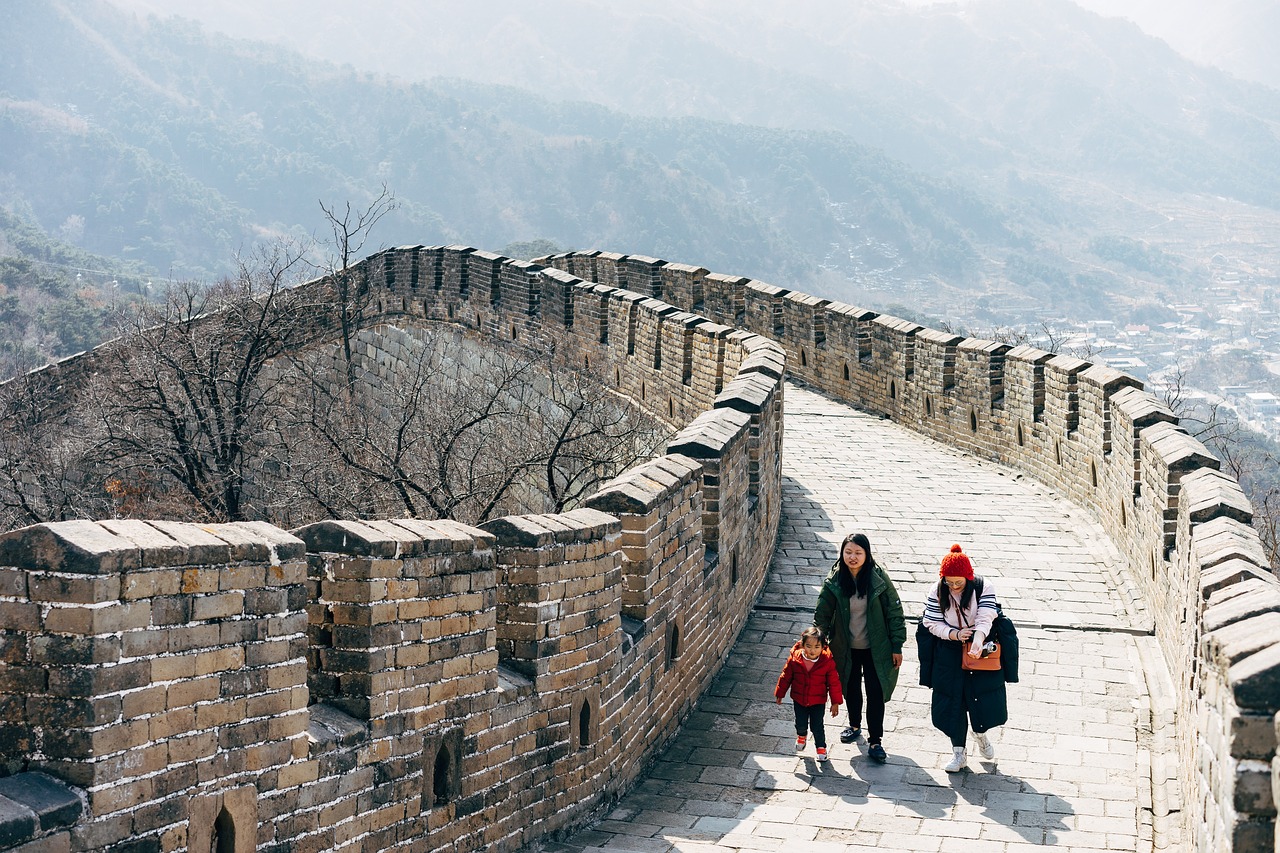
China is undeniably one of the safest destinations for tourists in 2025. With a low crime rate, strict gun control, advanced surveillance, and a culture of hospitality, visitors can explore with peace of mind. To ensure a smooth trip, stay aware of your belongings, follow local customs, and use common sense. Whether you are wandering the Great Wall or enjoying street food in Chengdu, China offers a secure and unforgettable experience. Ready to plan your journey? Start exploring our guides to best places to visit in China for first-timers and how to navigate its world-leading high-speed rail.
Mục lục
Is China safe for tourists in 2025? This is a common question for travelers planning a trip. With a homicide rate of just 0.5 per 100,000 people—one of the lowest in the world—China consistently ranks among the safest destinations. In this guide, we explore crime statistics, public security measures, health standards, and cultural factors that make China a secure choice. From advanced surveillance to helpful locals, discover why millions visit China with confidence.
Key Takeaways
Low crime rates: China’s violent crime rate is significantly lower than in the US and many European countries. Homicide rate: 0.5 per 100,000 vs. 6.4 in the US.
Strict gun control: Private firearm ownership is virtually non-existent, reducing the risk of gun violence.
Extensive surveillance: Over 200 million cameras monitored by AI and police ensure rapid response to incidents.
Tourist-friendly police: Specialized units in major cities assist foreigners with language and safety concerns.
Excellent transport safety: China’s high-speed rail network has an impeccable safety record since its inception in 2007.
Low Crime Rates: A Statistical Overview
International Comparisons
China’s safety index in 2023 was 74.6, placing it above countries like the United Kingdom (56.8) and the United States (48.2) according to Numbeo. The homicide rate is five times lower than the global average. Petty theft does occur in crowded tourist areas, but violent crime against foreigners is rare.
Violent Crime in Major Cities
In Beijing and Shanghai, the incidence of robbery and assault is extremely low. For example, Shanghai’s crime rate per 1,000 residents is about 0.3, compared to 4.7 in New York City. Tourists can walk safely at night in most urban areas, though standard precautions apply.
City
Homicide Rate (per 100,000)
Safety Index
Beijing
0.3
75.2
Shanghai
0.2
78.1
New York
4.5
48.0
London
1.2
56.8
(Data from UNODC and Numbeo)
Strict Gun Control and Its Impact
No Private Firearms
China has some of the world’s strictest gun laws. Civilians are prohibited from owning firearms except under exceptional circumstances (e.g., hunting in remote areas). This has virtually eliminated mass shootings and gun-related homicides, creating a safer environment for tourists.
Deterrent Effect
The conviction rate for violent crimes exceeds 99%, including a high rate for illegal firearms possession. This strong enforcement deters potential offenders.
Public Security Measures: Surveillance and Police Presence
The Surveillance Network
China’s public security system includes over 200 million surveillance cameras, supported by facial recognition technology. This network helps prevent crime and quickly identify suspects. In tourist areas like the Forbidden City or the Bund, cameras are omnipresent but unobtrusive.
Tourist Police
Cities like Beijing, Shanghai, and Xi’an have dedicated tourist police units. Officers speak English and other languages, provide directions, and can assist with lost property or disputes. They patrol major attractions and are easily identifiable.
Health and Medical Safety for Tourists
Healthcare Quality
China’s major cities have world-class hospitals with international departments. For example, Beijing United Family Hospital and Shanghai’s Huashan Hospital treat foreign patients. Travel insurance is recommended, but emergency care is affordable: an ambulance ride costs around 300 RMB (≈$42 USD), and a doctor’s visit typically 500–1,000 RMB (≈$70–$140 USD).
Emergency Services
Dial 120 for an ambulance, 119 for fire, and 110 for police. Operators in major cities can connect to English-speaking staff. Response times in urban areas average 10–15 minutes.
Traffic and Transportation Safety
High-Speed Rail
China’s high-speed rail network is the largest in the world, covering over 42,000 km. Since the first line opened in 2007, there have been zero fatal accidents. Trains are punctual, clean, and equipped with security checks.
Subways and Buses
Metro systems in cities like Beijing, Shanghai, and Guangzhou are modern and heavily monitored. Pickpocketing is rare due to security cameras and police patrols. Road traffic can be chaotic in some areas, but pedestrian crossings are generally respected.
Food and Water Safety
Food Regulations
China has strict food safety laws, and restaurants frequented by tourists adhere to hygiene standards. Street food is popular and generally safe, but choose vendors with high turnover. Tap water is not drinkable, but bottled water is cheap: 2–5 RMB (≈$0.30–$0.70 USD) per bottle.
Common Precautions
Avoid raw or undercooked foods from unreliable sources.
Use bottled water for brushing teeth in remote areas.
Most hotels provide free bottled water daily.
Cultural Respect and Local Hospitality
Helpful Locals
Chinese people are generally helpful to tourists. If you look lost, locals may approach to offer assistance, even with limited English. Bystanders often intervene in minor disputes to mediate.
Safety in Numbers
Group travel is common, and solo travelers often find it easy to make friends. Join activities like tea ceremonies or cooking classes to experience local hospitality.
Comparison with Other Popular Destinations
Destination
Safety Index (2023)
Homicide Rate (per 100,000)
Petty Crime Risk
China
74.6
0.5
Low
Japan
78.7
0.2
Very low
Thailand
61.4
2.8
Moderate
United States
48.2
6.4
Moderate
United Kingdom
56.8
1.2
Moderate
(Sources: Numbeo, UNODC)
Frequently Asked Questions
Is China safe for solo female travelers in 2025?
Yes, China is generally very safe for solo female travelers. Crimes against women are rare, and many women report feeling comfortable even walking alone at night in well-lit areas. However, standard precautions apply, such as avoiding deserted streets and keeping valuables secure.
How does China’s safety compare to Japan or Singapore?
China is very safe, but Japan and Singapore have even lower crime rates. Japan’s homicide rate is 0.2 per 100,000 and Singapore’s is 0.1. China’s safety index of 74.6 is slightly lower than Singapore’s 78.2 but higher than many Western nations.
Are there any regions in China with higher crime that tourists should avoid?
Generally, all major tourist destinations in China are safe. Areas near borders or with ethnic tensions (e.g., Xinjiang and Tibet) are heavily policed but still safe for tourists following local regulations. Petty theft can occur in any crowded area, but violent crime is extremely low everywhere.
What should I do if I encounter a medical emergency as a tourist in China?
Dial 120 for an ambulance. Most hospitals in cities have international departments with English-speaking staff. Travel insurance is recommended. Costs are relatively low: a hospital visit typically costs 500–1,000 RMB ($70–$140 USD).
Is it safe to drink tap water in China?
No, tap water in China is not considered safe for drinking. Always drink boiled or bottled water. Hotels usually provide free bottled water. Bottled water is inexpensive at 2–5 RMB ($0.30–$0.70 USD) per bottle.
How reliable is the police in helping foreign tourists?
Police in China are professional and responsive. In major cities, tourist police speak English and can assist with lost property, directions, or disputes. Response times are fast due to extensive surveillance.
Are there any safety concerns for LGBTQ+ travelers in China?
China is relatively safe for LGBTQ+ travelers, though public displays of affection may attract unwanted attention in less liberal areas. Major cities like Beijing and Shanghai have vibrant LGBTQ+ scenes. No specific anti-LGBTQ+ violence targeting tourists has been reported.
What is the current status of COVID-19 restrictions for tourists in 2025?
As of 2025, China has fully phased out its zero-COVID policy. No quarantine or testing requirements are in place for vaccinated travelers. Masks are no longer mandatory, though some venues may recommend them.
Conclusion
China is undeniably one of the safest destinations for tourists in 2025. With a low crime rate, strict gun control, advanced surveillance, and a culture of hospitality, visitors can explore with peace of mind. To ensure a smooth trip, stay aware of your belongings, follow local customs, and use common sense. Whether you are wandering the Great Wall or enjoying street food in Chengdu, China offers a secure and unforgettable experience. Ready to plan your journey? Start exploring our guides to best places to visit in China for first-timers and how to navigate its world-leading high-speed rail.
After 8 years in China and over 100 high-speed train rides between Shanghai and Beijing, I've learned the hard way what works and what doesn't. From buying
Spring (April-May) and autumn (September-October) offer the best weather to visit most of China, but your ideal time depends on destination. Avoid Golden Week and Chinese New Year for fewer crowds.
Discover the true cost of a trip to China in 2026. From flights and visas to daily expenses, we break down budgets for backpackers, mid-range, and luxury travelers. Save money with our expert tips.
One thought on “Is China Safe for Tourists in 2026? What You Need to Know”
My parents were terrified when I moved here. Now they visit twice a year and love it.




My parents were terrified when I moved here. Now they visit twice a year and love it.