Master the art of Chinese hotpot with our insider guide. Discover broth secrets, dipping sauce recipes, cooking order, and etiquette to eat like a local. From Chongqing spicy to Cantonese seafood, become a hotpot pro.
Ready
EN
Mục lục
Key Takeaways
Table of Contents
Picking the Perfect Broth: Spicy vs. Mild, Regional Variations
The Science of Mala
Beijing Lamb Hotpot vs. Cantonese Seafood
Essential Dipping Sauces: How to Mix the Perfect Sauce
Pre-Made Sauces vs. Custom
Key Ingredients: Meats, Vegetables, and Tofu Products
The Importance of Texture
Cooking Order: What to Cook First and What to Save for Last
Timing Tips
Eating Etiquette: Communal Dining, No Double-Dipping, and Pace
Regional Hotpot Styles: Chongqing Spicy, Beijing Lamb, Cantonese Seafood
Chongqing Hotpot: The Fiery Legend
Beijing Lamb Hotpot: Simplicity at Its Best
Cantonese Hotpot: Freshness and Broth
Common Mistakes Tourists Make and How to Avoid Them
Hotpot Culture: Social Bonding and Seasonal Traditions
Modern Hotpot: Chain Dominance and Innovation
FAQ
What is the best broth for hotpot beginners?
How do I make a classic Chongqing dipping sauce?
Is it rude to drink the broth after eating?
How long should I cook beef tripe?
Can I eat hotpot alone?
What is the difference between Chongqing and Sichuan hotpot?
How many hotpot restaurants are there in China?
What should I avoid ordering if I’m not adventurous?
Conclusion
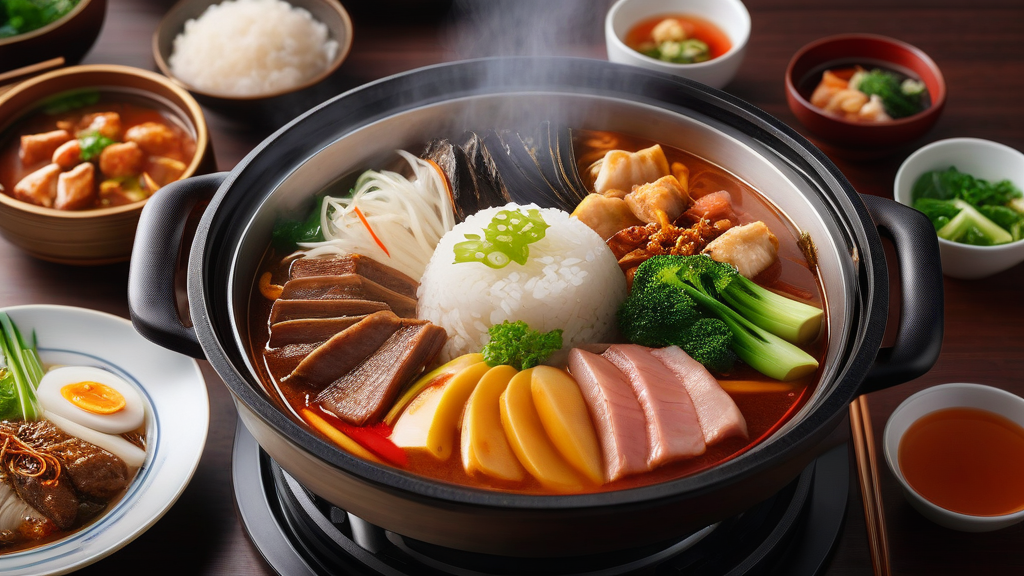
Imagine a bubbling cauldron of fiery red broth, steam rising with the aroma of Sichuan peppercorns, surrounded by platters of thinly sliced meats, fresh vegetables, and dipping sauces. That’s Chinese hotpot (火锅, huǒguō) — a communal dining experience that’s as much about social bonding as it is about flavor. With over 350,000 hotpot restaurants across China (more than the number of McDonald’s in the US), it’s a must-try culinary phenomenon. This hotpot guide will show you how to eat hotpot like a local, from choosing the perfect broth to mastering dipping sauces and etiquette. Let’s dive in.
Key Takeaways
Hotpot is ancient: Its roots trace back to the Zhou Dynasty (1046–256 BC), used to warm up during cold winters.
Regional diversity: Chongqing’s mala (numbing and spicy) broth, Beijing’s lamb-based hotpot, and Cantonese seafood broths showcase China’s culinary range.
A meal for hours: A typical hotpot feast lasts 2–3 hours, with diners cooking small batches slowly.
Personalized sauces: Dipping sauce is a DIY affair — common ingredients include sesame paste, garlic, chili oil, and cilantro.
Table of Contents
Picking the Perfect Broth: Spicy vs. Mild, Regional Variations
Essential Dipping Sauces: How to Mix the Perfect Sauce
Key Ingredients: Meats, Vegetables, and Tofu Products
Cooking Order: What to Cook First and What to Save for Last
Eating Etiquette: Communal Dining, No Double-Dipping, and Pace
Regional Hotpot Styles: Chongqing Spicy, Beijing Lamb, Cantonese Seafood
Common Mistakes Tourists Make and How to Avoid Them
Hotpot Culture: Social Bonding and Seasonal Traditions
FAQ
Conclusion
Picking the Perfect Broth: Spicy vs. Mild, Regional Variations
The broth is the soul of hotpot. The most famous is the mala broth from Chongqing, made with over 20 spices and chilies, plus Sichuan peppercorns that create a numbing sensation. For milder flavors, clear broths (清汤, qīngtāng) based on chicken, pork, or mushrooms are popular, especially in Cantonese and Beijing styles. Many restaurants offer a “yuanyang” (鸳鸯) split pot — half spicy, half mild — perfect for groups with mixed preferences.
The Science of Mala
The numbing effect of Sichuan peppercorns (huājiāo) comes from hydroxy-alpha-sanshool, a compound that stimulates touch receptors, creating a tingling sensation that enhances spiciness. This unique flavor profile is tied to Chongqing’s humid climate, where locals believe it dispels dampness.
Beijing Lamb Hotpot vs. Cantonese Seafood
Beijing-style hotpot, known as shuàn yángròu (涮羊肉), uses a simple clear broth with lamb slices, emphasizing the meat’s natural flavor. In contrast, Cantonese hotpot features delicate seafood broths — often with dried scallops, shrimp, and goji berries — and ingredients like fish, shrimp, and abalone. The table below highlights key differences:
Feature
Chongqing Spicy
Beijing Lamb
Cantonese Seafood
Broth
Mala (oil-based)
Clear (water/stock)
Seafood/bone stock
Key ingredient
Beef tripe, organ meats
Thin lamb slices
Seafood, fish balls
Spice level
Very hot
Mild
Mild
Dipping sauce
Sesame paste + chili oil
Sesame paste + fermented tofu
Soy sauce + garlic + chili
Origin
Chongqing
Beijing
Guangdong
Essential Dipping Sauces: How to Mix the Perfect Sauce
A local’s hotpot skill is often judged by their dipping sauce (蘸料, zhànliào). The base is usually sesame paste (芝麻酱, zhīmajiàng) for northern styles, but in the south, soy sauce and oyster sauce are more common. Balance is key. For a classic Chongqing sauce: 2 tablespoons sesame paste, 1 tablespoon chili oil (油辣子), 1 teaspoon minced garlic, 1 teaspoon chopped cilantro, a splash of black vinegar, and a pinch of salt. For a lighter Cantonese dip: 3 tablespoons light soy sauce, 1 tablespoon minced garlic, 1 tablespoon chopped chili, 1 teaspoon sesame oil, and a squeeze of lime.
Pre-Made Sauces vs. Custom
Many hotpot chains like Haidilao offer a sauce bar with dozens of options. While locals often have their own recipes, experimentation is welcome. A popular tip: add a raw egg yolk for a creamy texture that cools the spice. Avoid overloading with salty ingredients like soy sauce — you can always add more, but you can’t take it out.
Key Ingredients: Meats, Vegetables, and Tofu Products
Hotpot ingredients are categorized by cooking time. Thinly sliced meats — beef (肥牛, féiniú), lamb (羊肉, yángròu), and pork — cook in seconds. Organ meats like tripe (毛肚, máodù), a Chongqing specialty, require a precise “7-15 second” rule: boil until they curl, then remove. Vegetables like napa cabbage (白菜), spinach (菠菜), and mushrooms (蘑菇) are added toward the end. Tofu products — silken tofu, fried tofu puffs (豆腐泡), and tofu skin (腐竹) — absorb the broth’s flavor beautifully.
The Importance of Texture
Chinese hotpot emphasizes texture. Beef tripe is prized for its crunchy chew, while fish balls (鱼丸) and shrimp balls (虾滑) are valued for their bounciness. Noodles — both wheat and rice — are often saved for last to soak up the seasoned broth.
Cooking Order: What to Cook First and What to Save for Last
A common mistake is throwing everything in at once. Locals follow a logical sequence: start with meat — especially fatty cuts — to flavor the broth. Then cook longer-cooking vegetables (root veggies like potato, lotus root). Next, add quick-cooking greens and mushrooms. Finally, noodles or rice to absorb the rich broth. For spicy broths, cook tripe and organs early to enjoy their texture. Always use the provided strainer spoon (漏勺, lòusháo) to avoid losing small items in the pot.
Timing Tips
Meat slices: 10–20 seconds for lamb, 15–30 for beef.
Tripe: 7–15 seconds (no longer, or it becomes tough).
Lotus root: 3–5 minutes.
Mushrooms: 2–3 minutes.
Noodles: follow package instructions, usually 3–5 minutes.
Eating Etiquette: Communal Dining, No Double-Dipping, and Pace
Hotpot is a social event. Use serving chopsticks (公筷, gōngkuài) to place raw ingredients into the pot — never use your personal chopsticks for raw food. Once cooked, retrieve items with your own chopsticks or the ladle. It’s polite to cook for others, especially elders. A key rule: no double-dipping — after eating, don’t dip your chopsticks back into the communal sauce bowl. Instead, spoon some sauce onto your personal plate. Maintain a steady pace; hotpot is not a race. Keep the broth at a gentle boil to avoid splashing.
Regional Hotpot Styles: Chongqing Spicy, Beijing Lamb, Cantonese Seafood
We’ve touched on these, but let’s go deeper:
Chongqing Hotpot: The Fiery Legend
Chongqing hotpot is famously oil-based, with a thick layer of chili oil floating on top. The broth is never replaced — some legendary restaurants have “old broth” (老油) reused for years, believed to deepen flavor. Traditional ingredients include beef tripe, duck intestines (鸭肠), and pig’s brain. The world’s largest hotpot, weighing over 26 tons and serving 1,200 people, was made in Chongqing in 2018 (Guinness World Records).
Beijing Lamb Hotpot: Simplicity at Its Best
Beijing hotpot uses a copper pot with a central chimney, originally meant for heating the room. The broth is lightly seasoned with scallions, ginger, and goji berries. The star ingredient is hand-sliced lamb from Inner Mongolia. Dipping sauce is heavy on sesame paste, sometimes mixed with fermented bean curd (腐乳) and sugar. A light char from the lamb against the hot metal adds a smoky note.
Cantonese Hotpot: Freshness and Broth
In Guangdong, the broth is the star. Popular bases include tomato and pork bone soup, coconut chicken, or spicy satay. Ingredients are more delicate: thinly sliced abalone, shrimp, fish fillets, and a variety of fish balls. Dipping sauces are typically lighter, with soy sauce, garlic, and fresh chili. The meal often ends with drinking the broth — a sign of appreciation.
Common Mistakes Tourists Make and How to Avoid Them
Overcooking meat: Thin slices cook in seconds — don’t boil them away.
Using personal chopsticks for raw food: Always use communal chopsticks.
Ignoring the sauce bar: A bland meal often results from a weak sauce. Experiment!
Eating too fast: Hotpot is a slow, social meal. Savor each bite.
Ordering only Western familiar items: Be adventurous — try tripe, duck blood tofu, or pig’s brain.
Drinking ice-cold beer: Locals often pair hotpot with room-temperature drinks or tea to avoid shocking the stomach.
Hotpot Culture: Social Bonding and Seasonal Traditions
Hotpot is especially popular during Chinese New Year and winter months (November to March), when families gather around a steaming pot. In Chongqing, eating hotpot in summer is also common — the intense heat induces sweating, thought to cool the body. Many hotpot restaurants stay open until 2–3 AM, serving late-night diners. The atmosphere is loud, lively, and inclusive — a true embodiment of Chinese communal dining.
Modern Hotpot: Chain Dominance and Innovation
Top chains like Haidilao (海底捞) are known for exceptional service: free nail care, masks, and entertainment while you wait. Haidilao reported revenues of over ¥30 billion (≈$4.2 billion) in 2022. Other chains include Xiaolongkan (小龙坎) and Dianduoduo (点都德). A typical hotpot meal at a mid-range restaurant costs about 80–150 RMB per person (≈$11–$21). For upscale spots, it can exceed 300 RMB (≈$42).
FAQ
What is the best broth for hotpot beginners?
For beginners, we recommend a yuan yang (鸳鸯) split pot — half mild clear broth (清汤) and half spicy mala broth. This lets you taste both without committing to a full spicy experience. The mild side is great for vegetables and seafood, while the spicy side adds excitement.
How do I make a classic Chongqing dipping sauce?
Mix 2 tablespoons sesame paste, 1 tablespoon chili oil, 1 teaspoon minced garlic, 1 teaspoon chopped cilantro, a splash of black vinegar, and a pinch of salt. Adjust chili oil to your spice tolerance. Some locals also add a raw egg yolk for creaminess.
Is it rude to drink the broth after eating?
In Cantonese hotpot, drinking the broth is considered a compliment to the cook. In spicy Chongqing hotpot, the oil-based broth is not typically drunk. It’s best to ask or observe locals. In general, taking a small ladle of clear broth is acceptable.
How long should I cook beef tripe?
Beef tripe (毛肚) should be cooked for 7–15 seconds. Drop it in the boiling broth and wait until it curls up and looks slightly translucent. Overcooking makes it tough and rubbery.
Can I eat hotpot alone?
While hotpot is traditionally communal, many restaurants in China now offer single-person hotpot sets, especially at chains like Haidilao. You can enjoy it solo without stigma, though it’s more fun with company.
What is the difference between Chongqing and Sichuan hotpot?
Chongqing hotpot is a subset of Sichuan-style hotpot, but it’s more intense — uses more chili oil, fewer broth ingredients, and emphasizes organ meats. Sichuan hotpot may include more variety and sometimes uses a clear broth. Chongqing hotpot is generally considered the truest representation of the style.
How many hotpot restaurants are there in China?
As of 2023, China has over 350,000 hotpot restaurants, according to Statista. This is more than the total number of restaurants in the US (approx. 300,000). Major chains like Haidilao and Xiaolongkan have thousands of locations nationwide.
What should I avoid ordering if I’m not adventurous?
If you prefer familiar ingredients, stick to thinly sliced beef or lamb, tofu, mushrooms, leafy greens, and noodles. Avoid organ meats like tripe, duck intestines, and blood tofu (血豆腐) if you’re not used to them. Ask the server for “common” items (常见食材).
Conclusion
Eating hotpot like a local is about understanding the rituals: choosing the right broth for your heat tolerance, mastering your dipping sauce, respecting the cooking order, and embracing the social pace. Next time you visit China, gather some friends, head to a bustling hotpot restaurant, and put these tips into practice. Whether in a fiery Chongqing den or a refined Cantonese eatery, hotpot offers a delicious window into Chinese culture. Ready to book your China trip? Check out our Best Places to Visit China First Timers Guide for travel tips, and after your hotpot meal, unwind with our Chinese Tea Culture Explained for Beginners.
Mục lục
Imagine a bubbling cauldron of fiery red broth, steam rising with the aroma of Sichuan peppercorns, surrounded by platters of thinly sliced meats, fresh vegetables, and dipping sauces. That’s Chinese hotpot (火锅, huǒguō) — a communal dining experience that’s as much about social bonding as it is about flavor. With over 350,000 hotpot restaurants across China (more than the number of McDonald’s in the US), it’s a must-try culinary phenomenon. This hotpot guide will show you how to eat hotpot like a local, from choosing the perfect broth to mastering dipping sauces and etiquette. Let’s dive in.
Key Takeaways
Hotpot is ancient: Its roots trace back to the Zhou Dynasty (1046–256 BC), used to warm up during cold winters.
Regional diversity: Chongqing’s mala (numbing and spicy) broth, Beijing’s lamb-based hotpot, and Cantonese seafood broths showcase China’s culinary range.
A meal for hours: A typical hotpot feast lasts 2–3 hours, with diners cooking small batches slowly.
Personalized sauces: Dipping sauce is a DIY affair — common ingredients include sesame paste, garlic, chili oil, and cilantro.
Picking the Perfect Broth: Spicy vs. Mild, Regional Variations
The broth is the soul of hotpot. The most famous is the mala broth from Chongqing, made with over 20 spices and chilies, plus Sichuan peppercorns that create a numbing sensation. For milder flavors, clear broths (清汤, qīngtāng) based on chicken, pork, or mushrooms are popular, especially in Cantonese and Beijing styles. Many restaurants offer a “yuanyang” (鸳鸯) split pot — half spicy, half mild — perfect for groups with mixed preferences.
The Science of Mala
The numbing effect of Sichuan peppercorns (huājiāo) comes from hydroxy-alpha-sanshool, a compound that stimulates touch receptors, creating a tingling sensation that enhances spiciness. This unique flavor profile is tied to Chongqing’s humid climate, where locals believe it dispels dampness.
Beijing Lamb Hotpot vs. Cantonese Seafood
Beijing-style hotpot, known as shuàn yángròu (涮羊肉), uses a simple clear broth with lamb slices, emphasizing the meat’s natural flavor. In contrast, Cantonese hotpot features delicate seafood broths — often with dried scallops, shrimp, and goji berries — and ingredients like fish, shrimp, and abalone. The table below highlights key differences:
Feature
Chongqing Spicy
Beijing Lamb
Cantonese Seafood
Broth
Mala (oil-based)
Clear (water/stock)
Seafood/bone stock
Key ingredient
Beef tripe, organ meats
Thin lamb slices
Seafood, fish balls
Spice level
Very hot
Mild
Mild
Dipping sauce
Sesame paste + chili oil
Sesame paste + fermented tofu
Soy sauce + garlic + chili
Origin
Chongqing
Beijing
Guangdong
Essential Dipping Sauces: How to Mix the Perfect Sauce
A local’s hotpot skill is often judged by their dipping sauce (蘸料, zhànliào). The base is usually sesame paste (芝麻酱, zhīmajiàng) for northern styles, but in the south, soy sauce and oyster sauce are more common. Balance is key. For a classic Chongqing sauce: 2 tablespoons sesame paste, 1 tablespoon chili oil (油辣子), 1 teaspoon minced garlic, 1 teaspoon chopped cilantro, a splash of black vinegar, and a pinch of salt. For a lighter Cantonese dip: 3 tablespoons light soy sauce, 1 tablespoon minced garlic, 1 tablespoon chopped chili, 1 teaspoon sesame oil, and a squeeze of lime.
Pre-Made Sauces vs. Custom
Many hotpot chains like Haidilao offer a sauce bar with dozens of options. While locals often have their own recipes, experimentation is welcome. A popular tip: add a raw egg yolk for a creamy texture that cools the spice. Avoid overloading with salty ingredients like soy sauce — you can always add more, but you can’t take it out.
Key Ingredients: Meats, Vegetables, and Tofu Products
Hotpot ingredients are categorized by cooking time. Thinly sliced meats — beef (肥牛, féiniú), lamb (羊肉, yángròu), and pork — cook in seconds. Organ meats like tripe (毛肚, máodù), a Chongqing specialty, require a precise “7-15 second” rule: boil until they curl, then remove. Vegetables like napa cabbage (白菜), spinach (菠菜), and mushrooms (蘑菇) are added toward the end. Tofu products — silken tofu, fried tofu puffs (豆腐泡), and tofu skin (腐竹) — absorb the broth’s flavor beautifully.
The Importance of Texture
Chinese hotpot emphasizes texture. Beef tripe is prized for its crunchy chew, while fish balls (鱼丸) and shrimp balls (虾滑) are valued for their bounciness. Noodles — both wheat and rice — are often saved for last to soak up the seasoned broth.
Cooking Order: What to Cook First and What to Save for Last
A common mistake is throwing everything in at once. Locals follow a logical sequence: start with meat — especially fatty cuts — to flavor the broth. Then cook longer-cooking vegetables (root veggies like potato, lotus root). Next, add quick-cooking greens and mushrooms. Finally, noodles or rice to absorb the rich broth. For spicy broths, cook tripe and organs early to enjoy their texture. Always use the provided strainer spoon (漏勺, lòusháo) to avoid losing small items in the pot.
Timing Tips
Meat slices: 10–20 seconds for lamb, 15–30 for beef.
Tripe: 7–15 seconds (no longer, or it becomes tough).
Lotus root: 3–5 minutes.
Mushrooms: 2–3 minutes.
Noodles: follow package instructions, usually 3–5 minutes.
Eating Etiquette: Communal Dining, No Double-Dipping, and Pace
Hotpot is a social event. Use serving chopsticks (公筷, gōngkuài) to place raw ingredients into the pot — never use your personal chopsticks for raw food. Once cooked, retrieve items with your own chopsticks or the ladle. It’s polite to cook for others, especially elders. A key rule: no double-dipping — after eating, don’t dip your chopsticks back into the communal sauce bowl. Instead, spoon some sauce onto your personal plate. Maintain a steady pace; hotpot is not a race. Keep the broth at a gentle boil to avoid splashing.
Chongqing hotpot is famously oil-based, with a thick layer of chili oil floating on top. The broth is never replaced — some legendary restaurants have “old broth” (老油) reused for years, believed to deepen flavor. Traditional ingredients include beef tripe, duck intestines (鸭肠), and pig’s brain. The world’s largest hotpot, weighing over 26 tons and serving 1,200 people, was made in Chongqing in 2018 (Guinness World Records).
Beijing Lamb Hotpot: Simplicity at Its Best
Beijing hotpot uses a copper pot with a central chimney, originally meant for heating the room. The broth is lightly seasoned with scallions, ginger, and goji berries. The star ingredient is hand-sliced lamb from Inner Mongolia. Dipping sauce is heavy on sesame paste, sometimes mixed with fermented bean curd (腐乳) and sugar. A light char from the lamb against the hot metal adds a smoky note.
Cantonese Hotpot: Freshness and Broth
In Guangdong, the broth is the star. Popular bases include tomato and pork bone soup, coconut chicken, or spicy satay. Ingredients are more delicate: thinly sliced abalone, shrimp, fish fillets, and a variety of fish balls. Dipping sauces are typically lighter, with soy sauce, garlic, and fresh chili. The meal often ends with drinking the broth — a sign of appreciation.
Common Mistakes Tourists Make and How to Avoid Them
Overcooking meat: Thin slices cook in seconds — don’t boil them away.
Using personal chopsticks for raw food: Always use communal chopsticks.
Ignoring the sauce bar: A bland meal often results from a weak sauce. Experiment!
Eating too fast: Hotpot is a slow, social meal. Savor each bite.
Ordering only Western familiar items: Be adventurous — try tripe, duck blood tofu, or pig’s brain.
Drinking ice-cold beer: Locals often pair hotpot with room-temperature drinks or tea to avoid shocking the stomach.
Hotpot Culture: Social Bonding and Seasonal Traditions
Hotpot is especially popular during Chinese New Year and winter months (November to March), when families gather around a steaming pot. In Chongqing, eating hotpot in summer is also common — the intense heat induces sweating, thought to cool the body. Many hotpot restaurants stay open until 2–3 AM, serving late-night diners. The atmosphere is loud, lively, and inclusive — a true embodiment of Chinese communal dining.
Modern Hotpot: Chain Dominance and Innovation
Top chains like Haidilao (海底捞) are known for exceptional service: free nail care, masks, and entertainment while you wait. Haidilao reported revenues of over ¥30 billion (≈$4.2 billion) in 2022. Other chains include Xiaolongkan (小龙坎) and Dianduoduo (点都德). A typical hotpot meal at a mid-range restaurant costs about 80–150 RMB per person (≈$11–$21). For upscale spots, it can exceed 300 RMB (≈$42).
FAQ
What is the best broth for hotpot beginners?
For beginners, we recommend a yuan yang (鸳鸯) split pot — half mild clear broth (清汤) and half spicy mala broth. This lets you taste both without committing to a full spicy experience. The mild side is great for vegetables and seafood, while the spicy side adds excitement.
How do I make a classic Chongqing dipping sauce?
Mix 2 tablespoons sesame paste, 1 tablespoon chili oil, 1 teaspoon minced garlic, 1 teaspoon chopped cilantro, a splash of black vinegar, and a pinch of salt. Adjust chili oil to your spice tolerance. Some locals also add a raw egg yolk for creaminess.
Is it rude to drink the broth after eating?
In Cantonese hotpot, drinking the broth is considered a compliment to the cook. In spicy Chongqing hotpot, the oil-based broth is not typically drunk. It’s best to ask or observe locals. In general, taking a small ladle of clear broth is acceptable.
How long should I cook beef tripe?
Beef tripe (毛肚) should be cooked for 7–15 seconds. Drop it in the boiling broth and wait until it curls up and looks slightly translucent. Overcooking makes it tough and rubbery.
Can I eat hotpot alone?
While hotpot is traditionally communal, many restaurants in China now offer single-person hotpot sets, especially at chains like Haidilao. You can enjoy it solo without stigma, though it’s more fun with company.
What is the difference between Chongqing and Sichuan hotpot?
Chongqing hotpot is a subset of Sichuan-style hotpot, but it’s more intense — uses more chili oil, fewer broth ingredients, and emphasizes organ meats. Sichuan hotpot may include more variety and sometimes uses a clear broth. Chongqing hotpot is generally considered the truest representation of the style.
How many hotpot restaurants are there in China?
As of 2023, China has over 350,000 hotpot restaurants, according to Statista. This is more than the total number of restaurants in the US (approx. 300,000). Major chains like Haidilao and Xiaolongkan have thousands of locations nationwide.
What should I avoid ordering if I’m not adventurous?
If you prefer familiar ingredients, stick to thinly sliced beef or lamb, tofu, mushrooms, leafy greens, and noodles. Avoid organ meats like tripe, duck intestines, and blood tofu (血豆腐) if you’re not used to them. Ask the server for “common” items (常见食材).
Conclusion
Eating hotpot like a local is about understanding the rituals: choosing the right broth for your heat tolerance, mastering your dipping sauce, respecting the cooking order, and embracing the social pace. Next time you visit China, gather some friends, head to a bustling hotpot restaurant, and put these tips into practice. Whether in a fiery Chongqing den or a refined Cantonese eatery, hotpot offers a delicious window into Chinese culture. Ready to book your China trip? Check out our Best Places to Visit China First Timers Guide for travel tips, and after your hotpot meal, unwind with our Chinese Tea Culture Explained for Beginners.
Wondering about Chinese street food safety? Discover how strict regulations, high turnover, and local initiatives make street food safer than ever—plus tips for worry-free eating.
I've lived in China for 8 years and eaten roast duck more times than I can count. Here's everything I know — the best restaurants, what to order, how to
From sizzling skewers to sweet tanghulu, China's street food scene is a feast. Our guide covers must-try dishes, regional specialties, and where to eat.
2 thoughts on “Hotpot Guide: How to Eat Hotpot Like a Local”
Never knew about the sesame sauce trick! Can I use peanut butter if I can’t find Chinese sesame paste?

Never knew about the sesame sauce trick! Can I use peanut butter if I can’t find Chinese sesame paste?
I always burn my tongue on the spicy broth! Any trick to cooling it down without ruining the flavor?