I’ve lived in China for 8 years and eaten roast duck more times than I can count. Here’s everything I know — the best restaurants, what to order, how to
Ready
EN
Beijing Roast Duck in 2026: A Food Lover’s Guide to China’s Most Iconic Dish
Let me tell you about the first time I ate real Beijing roast duck.
It was 2018, my second week in China. A Chinese friend took me to a place near Qianmen — nothing fancy, fluorescent lights, sticky floors, the whole deal. The duck came out and I thought, “Right. Roast duck. I know what this is.”
I did not know what this was.
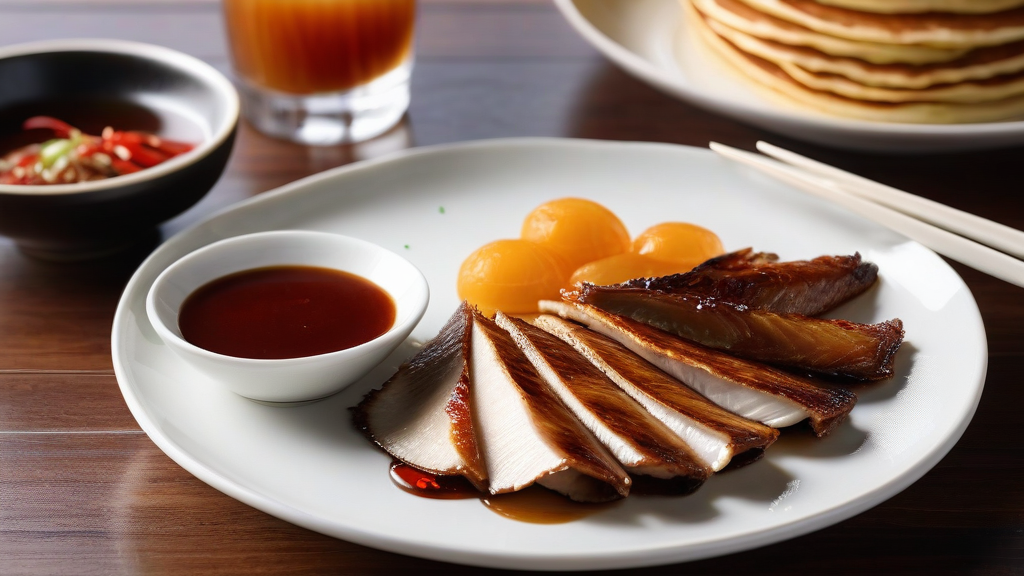
The chef wheeled over this bird that looked like it had been airbrushed — skin the colour of mahogany, glistening, impossibly thin. He carved it tableside in about 45 seconds flat, 120 slices off one duck, each one a perfect strip of shatter-crisp skin with a whisper of meat attached. I wrapped it in a pancake with some spring onion and sauce, took a bite, and honestly? I nearly laughed out loud. It was that good.
Eight years later, I’ve eaten roast duck at probably 40 different restaurants across Beijing. I’ve got opinions. Strong ones. So here’s my 2026 guide to the dish that put Beijing on the global food map.
What Makes Beijing Roast Duck Different?
You’ve had roast duck before, right? Maybe in London, or New York, or somewhere in Europe. Forget all that. Beijing roast duck is a different animal — literally and figuratively.
The key difference is the skin. In most Western roast duck preparations, you’re eating meat with some crispy skin on top. Beijing roast duck flips that ratio entirely. The goal is a bird where the skin-to-meat ratio is dramatically tilted toward the skin — thin, brittle, almost like fried glass. The layer of fat underneath has been rendered to the point where it’s barely there, just enough to carry flavour.
How do they get it like that? Two methods:
**The open-oven method (挂炉 / guà lú)** : The duck is hung on hooks in a wood-fired oven — traditionally fruit wood, usually date or peach. The radiant heat cooks the duck while the open flame dries out the skin. This is the method Quanjude uses, and it’s the more common approach today.
**The closed-oven method (焖炉 / mēn lú)** : The duck is roasted in a sealed, pre-heated brick oven. No direct flame. The heat circulates inside and cooks the duck more gently. This method, used by Bianyifang, produces juicier meat but slightly less dramatic skin.
Both methods take a duck that has been air-dried for 24+ hours (to dry out the skin) and then roasted for about 40-50 minutes at around 230-250°C. The result? A bird that’s about 70% skin by weight when it hits your table.
The 4 Beijing Roast Duck Restaurants You Need to Try
Beijing has something like 3,000 restaurants serving roast duck. I’m not joking — I looked it up. From street stalls in hutongs to ¥888-a-head tasting menus, the range is absurd.
But if you want the real deal — the places with history, skill, and ducks that actually taste like something — these are the four I’d send you to.
1. Quanjude (全聚德) — The Emperor
Founded: 1864
Location: Qianmen (flagship), plus many branches
Price: ¥238-298 for a whole duck
Quanjude is the name everyone knows. It’s been around since the Qing Dynasty, and at its peak, it was serving royalty, diplomats, and heads of state. Nixon ate here in 1972. That alone tells you something.
The flagship branch at Qianmen is a tourist destination in itself — a massive multi-story complex with exhibition halls, a duck museum, and dozens of dining rooms. It’s bustling, it’s loud, and yes, it’s touristy. But here’s the thing: the duck is still excellent.
Quanjude uses the open-oven method, and their signature move is the “full duck feast” (全鸭席) — where they serve you every single part of the duck in different courses. Crispy skin with sugar (the classic way Peking duck was originally eaten), duck webs in sauce, duck liver, duck tongue, duck bone soup. Nothing goes to waste.
**My honest take:** It’s a must-visit for first-timers. The history alone is worth it. But the quality can be inconsistent across branches. Stick to the Qianmen flagship.
2. Bianyifang (便宜坊) — The Hidden Legend
Founded: 1416 (yes, the Ming Dynasty)
Location: Chongwenmen (flagship)
Price: ¥168-228 for a whole duck
This is the one that surprised me the most. Bianyifang is older than Quanjude by nearly 450 years — it was already a century old when the Ming Dynasty fell. And yet, most tourists have never heard of it.
Bianyifang uses the closed-oven method, which means their ducks come out different — less aggressively crispy, but juicier and more evenly cooked. The skin isn’t quite as dramatic as Quanjude’s, but the meat has more flavour. It’s a trade-off, and honestly, I go back and forth on which I prefer.
Their secret? The oven is pre-heated with millet stalks (谷糠 / gǔ kāng) for two hours before the duck goes in. The residual heat does the cooking. No flames touch the bird at any point.
**My honest take:** If you want the true original — the duck that Chinese emperors were eating 600 years ago — go here. It’s less crowded, less expensive, and the quality is rock-solid.
3. Dadong (大董) — The Modernist
Founded: 1985
Location: Multiple (Dongsi 10th Alley is the original)
Price: ¥298-398 for a whole duck
Dadong is where Beijing roast duck went high-end. Chef Dong Zhenxiang basically reinvented the dish for the 21st century, and the result is the most refined version you’ll find anywhere.
The signature here is the “super-crispy” skin — they’ve engineered the process to produce skin so thin and brittle it literally shatters when you bite into it. They serve it with a sugar dip (just the skin, no pancake) as a first course, and it’s stupidly good. Like, “I could eat twelve of these and not feel bad about it” good.
The downside? Price. A full meal at Dadong will set you back ¥500-800 per person if you’re not careful. And some people find it too polished — too much style, not enough soul.
**My honest take:** Best for a splurge. Take clients, take a date, take your parents. But if you want the gritty, real-deal Beijing roast duck experience, go somewhere else first.
4. Sijimin Ju (四季民福) — The People’s Champion
Founded: 2000
Location: Multiple (Nanhe Dajie near Forbidden City is best)
Price: ¥168-198 for a whole duck
This is the spot my local friends take me to. Sijimin Ju flies under the radar with tourists but is beloved by Beijingers for one simple reason: it’s consistently excellent without breaking the bank.
The duck is open-oven style, carved tableside, and comes with all the standard fixings. What sets them apart is the attention to detail — the pancakes are thinner and more elastic, the sauce has a deeper fermented flavour, and they include a little dish of pickled radish that cuts through the richness perfectly.
The Nanhe Dajie branch has a terrace overlooking the moat of the Forbidden City. If you time it right (sunset, around 5:30 PM), you’re eating duck with the imperial palace in the background. That’s a meal you remember.
**My honest take:** Best value-for-money duck in Beijing. Period. Go here if you want a meal that locals actually eat.
The Comparison Table
Restaurant
Founded
Method
Price (whole duck)
Best For
Tourist Crowd
Quanjude
1864
Open-oven (挂炉)
¥238-298
First-timers, history
High
Bianyifang
1416
Closed-oven (焖炉)
¥168-228
Originals, lower price
Low
Dadong
1985
Open-oven (hybrid)
¥298-398
Fine dining, splurge
Medium
Sijimin Ju
2000
Open-oven (挂炉)
¥168-198
Locals, value
Low-Medium
Beijing Roast Duck vs Other Famous Chinese Duck Dishes
A question I get asked all the time: “How does Beijing roast duck compare to the duck I had in Guangzhou or Nanjing?” Fair question. China has a lot of famous duck dishes, and they’re all completely different beasts.
**Cantonese Roast Duck (广式烧鸭 / Guǎngshì Shāoyā)** — This is what most Westerners think of as “Chinese roast duck.” The Cantonese version is closer to what you’d call a roast bird — it’s marinated with five-spice, fermented bean curd, and soy sauce, then roasted hanging in a closed oven until the skin is deep mahogany and the meat is fall-off-the-bone tender. It’s served with the meat still attached to the bone, drizzled with the roasting juices. A plate costs about ¥50-80 at a cha chaan teng in Hong Kong or Guangzhou. Delicious, but it’s a completely different experience — meat-forward, saucy, rustic. Beijing roast duck is precise, architectural, skin-first.
**Nanjing Salted Duck (南京盐水鸭 / Nánjīng Yánshuǐ Yā)** — This one throws people off because it’s served cold. The duck is brined for hours with Sichuan peppercorns, star anise, and salt, then gently poached. The skin is soft, almost jelly-like. The meat is silky and intensely savoury. It’s a Qing Dynasty dish that predates Beijing roast duck by a couple centuries in its current form. Nanjing locals swear by it, and honestly, on a hot summer day with a cold beer, it’s unbeatable. A whole salted duck runs about ¥80-120 at a Nanjing deli.
Duck Dish
Cooking Method
Skin Texture
Serving Temp
Price Range
Beijing Roast Duck
Open/closed oven roast
Shatter-crisp
Hot
¥168-398
Cantonese Roast Duck
Closed oven roast
Crisp, glossy
Hot
¥50-80
Nanjing Salted Duck
Brined & poached
Soft, jelly-like
Cold
¥80-120
All three are brilliant in their own way. But if I had to pick one to eat on my last night in China? Beijing roast duck, every time.
How to Eat Beijing Roast Duck Like You Know What You’re Doing
I’ve watched too many tourists fumble through this. Here’s the playbook:
**Don’t skip the skin course.** In most proper restaurants, the chef will serve the first few slices of pure crispy skin separately. Eat these with a dip of granulated sugar. No pancake, no sauce — just skin and sugar. Trust me.
**The pancake assembly line:** Take a pancake (荷花饼 / héhuā bǐng), lay it flat. Dip a piece of duck in the sweet bean sauce (甜面酱 / tián miàn jiàng) and place it in the centre. Add a few strips of spring onion and cucumber. Fold the bottom up, then fold the sides over. Eat in two bites.
**Feel free to add garlic.** A lot of locals smear a tiny bit of minced garlic (蒜泥 / suàn ní) onto the pancake before adding the duck. It adds a bite that cuts through the richness. Try it.
**The soup at the end.** After the duck meat is gone, the restaurant will take the carcass and make a soup — usually with tofu and cabbage (白菜豆腐鸭架汤). It’s included in the price at most places. Don’t skip it.
**Order half a duck if you’re solo or a couple.** Most places let you order half (半只 / bàn zhī). A whole duck is plenty for 3-4 people.
What to Drink with Beijing Roast Duck
This is something most guides don’t cover, so here’s my hard-earned advice after many, many duck dinners.
**Jasmine tea (茉莉花茶 / Mòlì Huā Chá)** is the classic pairing. Nearly every proper roast duck restaurant will serve you a pot of it before the duck arrives. The floral aroma cuts through the fat and cleanses your palate between each mouthful. It’s not a gimmick — it genuinely works.
**Tsingtao beer (青岛啤酒)** is my go-to when I’m eating casually. A cold, light lager (4% ABV) cuts the richness of the skin better than any wine I’ve tried. It’s ¥8-15 a bottle at most restaurants, and honestly, it’s the most natural companion.
**Red wine** — if you’re at Dadong or another high-end place, they’ll have a wine list. Go for a Pinot Noir or a lighter Burgundy. The tannins in a heavy Cabernet clash with the sweet bean sauce. I learned this the hard way.
**Baijiu (白酒)** is the local choice. A small glass of good-quality baijiu (try Hongxing Erguotou at ¥30-50 a bottle, or a higher-end Moutai if someone else is paying) with each bite of duck skin is a genuinely transcendent experience. But go slow — baijiu hits different, and you’ve got a whole duck to get through.
More Beijing Dishes You Should Try
While you’re duck-hunting, don’t sleep on these other Beijing classics:
Beijing Zhajiang Mian (北京炸酱面)
Thick wheat noodles topped with a paste of fermented soybeans (黄豆酱 / huáng dòu jiàng) and minced pork, served with a tray of fresh vegetable toppings — shredded cucumber, bean sprouts, edamame, radish. You mix it all together at the table. Cheap, filling, and deeply savoury. A bowl costs about ¥25-35 at any proper noodle shop.
Beijing Style Quick-Fried Tripe (爆肚 / Bào Dǔ)
This one’s an acquired taste, I’ll be honest. Flash-boiled beef or lamb tripe served with a dipping sauce of sesame paste, fermented bean curd, and chili oil. The texture is snappy — almost crunchy — and the sauce is so good you’ll eat it on anything. Best at a specialist like **Baodu Feng (爆肚冯)** in Qianmen. Around ¥50-80 per portion.
Beijing Sugar-Coated Hawthorn Sticks (冰糖葫芦 / Bīng Táng Húlu)
The quintessential Beijing street snack. Candied hawthorn berries threaded on a bamboo stick, dipped in molten sugar that hardens into a glass-like shell. Sweet, sour, and addictive. You’ll see vendors selling them on every street corner in winter for about ¥10-15 a stick. The crunch when you bite into one is incredibly satisfying.
Frequently Asked Questions
**Q: Is Beijing roast duck the same as Peking duck?**
A: Yes, exactly the same dish. “Peking” is the old romanization of “Beijing.” The Chinese name (北京烤鸭 / Běijīng kǎoyā) is identical. “Peking duck” is just what Western menus called it before the pinyin system became standard.
**Q: How much should I expect to pay for a good roast duck meal?**
A: A whole duck runs ¥168-398 depending on the restaurant. With sides, drinks, and service, budget ¥150-300 per person at a mid-range place, or ¥400-600 per person at somewhere like Dadong. The sweet spot for value is Sijimin Ju at around ¥120-180 per person.
**Q: Is it better to order half a duck or a whole duck?**
A: Half a duck (半只) is usually enough for 1-2 people. A whole duck comfortably serves 3-4. Most restaurants allow half orders, but some higher-end places (Dadong) only serve whole ducks.
**Q: What’s the best time of year to eat roast duck?**
A: Honestly, any time works — the ducks are raised indoors year-round. But winter (November-February) is my favourite because the duck’s fat content is naturally higher, which means even crispier skin. Also, the hot duck bone soup at the end hits different when it’s -5°C outside.
**Q: Do I need to book in advance?**
A: At Quanjude (Qianmen) and Dadong, absolutely. Book at least 2-3 days ahead for weekends. Sijimin Ju and Bianyifang are a bit more flexible but still get packed during dinner rush (6:30-8 PM). Use Meituan or Dianping to reserve — both have English options now.
Final Thoughts
Beijing roast duck is one of those rare dishes that genuinely lives up to the hype. I’ve eaten it dozens of times and I still get excited when the chef wheels that cart over.
If you’re visiting Beijing in 2026, here’s my advice: go to Sijimin Ju near the Forbidden City for sunset duck with a view. Go to Quanjude for the history and spectacle. Go to Bianyifang if you want to taste something people were eating 600 years ago. And if you’re feeling fancy, splurge at Dadong.
Or do what I do: hit all four over a long weekend. Your waistline won’t thank you. But your taste buds will.
Beijing Roast Duck in 2026: A Food Lover’s Guide to China’s Most Iconic Dish
Let me tell you about the first time I ate real Beijing roast duck.
It was 2018, my second week in China. A Chinese friend took me to a place near Qianmen — nothing fancy, fluorescent lights, sticky floors, the whole deal. The duck came out and I thought, “Right. Roast duck. I know what this is.”
I did not know what this was.
The chef wheeled over this bird that looked like it had been airbrushed — skin the colour of mahogany, glistening, impossibly thin. He carved it tableside in about 45 seconds flat, 120 slices off one duck, each one a perfect strip of shatter-crisp skin with a whisper of meat attached. I wrapped it in a pancake with some spring onion and sauce, took a bite, and honestly? I nearly laughed out loud. It was that good.
Eight years later, I’ve eaten roast duck at probably 40 different restaurants across Beijing. I’ve got opinions. Strong ones. So here’s my 2026 guide to the dish that put Beijing on the global food map.
What Makes Beijing Roast Duck Different?
You’ve had roast duck before, right? Maybe in London, or New York, or somewhere in Europe. Forget all that. Beijing roast duck is a different animal — literally and figuratively.
The key difference is the skin. In most Western roast duck preparations, you’re eating meat with some crispy skin on top. Beijing roast duck flips that ratio entirely. The goal is a bird where the skin-to-meat ratio is dramatically tilted toward the skin — thin, brittle, almost like fried glass. The layer of fat underneath has been rendered to the point where it’s barely there, just enough to carry flavour.
How do they get it like that? Two methods:
**The open-oven method (挂炉 / guà lú)** : The duck is hung on hooks in a wood-fired oven — traditionally fruit wood, usually date or peach. The radiant heat cooks the duck while the open flame dries out the skin. This is the method Quanjude uses, and it’s the more common approach today.
**The closed-oven method (焖炉 / mēn lú)** : The duck is roasted in a sealed, pre-heated brick oven. No direct flame. The heat circulates inside and cooks the duck more gently. This method, used by Bianyifang, produces juicier meat but slightly less dramatic skin.
Both methods take a duck that has been air-dried for 24+ hours (to dry out the skin) and then roasted for about 40-50 minutes at around 230-250°C. The result? A bird that’s about 70% skin by weight when it hits your table.
The 4 Beijing Roast Duck Restaurants You Need to Try
Beijing has something like 3,000 restaurants serving roast duck. I’m not joking — I looked it up. From street stalls in hutongs to ¥888-a-head tasting menus, the range is absurd.
But if you want the real deal — the places with history, skill, and ducks that actually taste like something — these are the four I’d send you to.
1. Quanjude (全聚德) — The Emperor
Founded: 1864
Location: Qianmen (flagship), plus many branches
Price: ¥238-298 for a whole duck
Quanjude is the name everyone knows. It’s been around since the Qing Dynasty, and at its peak, it was serving royalty, diplomats, and heads of state. Nixon ate here in 1972. That alone tells you something.
The flagship branch at Qianmen is a tourist destination in itself — a massive multi-story complex with exhibition halls, a duck museum, and dozens of dining rooms. It’s bustling, it’s loud, and yes, it’s touristy. But here’s the thing: the duck is still excellent.
Quanjude uses the open-oven method, and their signature move is the “full duck feast” (全鸭席) — where they serve you every single part of the duck in different courses. Crispy skin with sugar (the classic way Peking duck was originally eaten), duck webs in sauce, duck liver, duck tongue, duck bone soup. Nothing goes to waste.
**My honest take:** It’s a must-visit for first-timers. The history alone is worth it. But the quality can be inconsistent across branches. Stick to the Qianmen flagship.
2. Bianyifang (便宜坊) — The Hidden Legend
Founded: 1416 (yes, the Ming Dynasty)
Location: Chongwenmen (flagship)
Price: ¥168-228 for a whole duck
This is the one that surprised me the most. Bianyifang is older than Quanjude by nearly 450 years — it was already a century old when the Ming Dynasty fell. And yet, most tourists have never heard of it.
Bianyifang uses the closed-oven method, which means their ducks come out different — less aggressively crispy, but juicier and more evenly cooked. The skin isn’t quite as dramatic as Quanjude’s, but the meat has more flavour. It’s a trade-off, and honestly, I go back and forth on which I prefer.
Their secret? The oven is pre-heated with millet stalks (谷糠 / gǔ kāng) for two hours before the duck goes in. The residual heat does the cooking. No flames touch the bird at any point.
**My honest take:** If you want the true original — the duck that Chinese emperors were eating 600 years ago — go here. It’s less crowded, less expensive, and the quality is rock-solid.
3. Dadong (大董) — The Modernist
Founded: 1985
Location: Multiple (Dongsi 10th Alley is the original)
Price: ¥298-398 for a whole duck
Dadong is where Beijing roast duck went high-end. Chef Dong Zhenxiang basically reinvented the dish for the 21st century, and the result is the most refined version you’ll find anywhere.
The signature here is the “super-crispy” skin — they’ve engineered the process to produce skin so thin and brittle it literally shatters when you bite into it. They serve it with a sugar dip (just the skin, no pancake) as a first course, and it’s stupidly good. Like, “I could eat twelve of these and not feel bad about it” good.
The downside? Price. A full meal at Dadong will set you back ¥500-800 per person if you’re not careful. And some people find it too polished — too much style, not enough soul.
**My honest take:** Best for a splurge. Take clients, take a date, take your parents. But if you want the gritty, real-deal Beijing roast duck experience, go somewhere else first.
4. Sijimin Ju (四季民福) — The People’s Champion
Founded: 2000
Location: Multiple (Nanhe Dajie near Forbidden City is best)
Price: ¥168-198 for a whole duck
This is the spot my local friends take me to. Sijimin Ju flies under the radar with tourists but is beloved by Beijingers for one simple reason: it’s consistently excellent without breaking the bank.
The duck is open-oven style, carved tableside, and comes with all the standard fixings. What sets them apart is the attention to detail — the pancakes are thinner and more elastic, the sauce has a deeper fermented flavour, and they include a little dish of pickled radish that cuts through the richness perfectly.
The Nanhe Dajie branch has a terrace overlooking the moat of the Forbidden City. If you time it right (sunset, around 5:30 PM), you’re eating duck with the imperial palace in the background. That’s a meal you remember.
**My honest take:** Best value-for-money duck in Beijing. Period. Go here if you want a meal that locals actually eat.
The Comparison Table
Restaurant
Founded
Method
Price (whole duck)
Best For
Tourist Crowd
Quanjude
1864
Open-oven (挂炉)
¥238-298
First-timers, history
High
Bianyifang
1416
Closed-oven (焖炉)
¥168-228
Originals, lower price
Low
Dadong
1985
Open-oven (hybrid)
¥298-398
Fine dining, splurge
Medium
Sijimin Ju
2000
Open-oven (挂炉)
¥168-198
Locals, value
Low-Medium
Beijing Roast Duck vs Other Famous Chinese Duck Dishes
A question I get asked all the time: “How does Beijing roast duck compare to the duck I had in Guangzhou or Nanjing?” Fair question. China has a lot of famous duck dishes, and they’re all completely different beasts.
**Cantonese Roast Duck (广式烧鸭 / Guǎngshì Shāoyā)** — This is what most Westerners think of as “Chinese roast duck.” The Cantonese version is closer to what you’d call a roast bird — it’s marinated with five-spice, fermented bean curd, and soy sauce, then roasted hanging in a closed oven until the skin is deep mahogany and the meat is fall-off-the-bone tender. It’s served with the meat still attached to the bone, drizzled with the roasting juices. A plate costs about ¥50-80 at a cha chaan teng in Hong Kong or Guangzhou. Delicious, but it’s a completely different experience — meat-forward, saucy, rustic. Beijing roast duck is precise, architectural, skin-first.
**Nanjing Salted Duck (南京盐水鸭 / Nánjīng Yánshuǐ Yā)** — This one throws people off because it’s served cold. The duck is brined for hours with Sichuan peppercorns, star anise, and salt, then gently poached. The skin is soft, almost jelly-like. The meat is silky and intensely savoury. It’s a Qing Dynasty dish that predates Beijing roast duck by a couple centuries in its current form. Nanjing locals swear by it, and honestly, on a hot summer day with a cold beer, it’s unbeatable. A whole salted duck runs about ¥80-120 at a Nanjing deli.
Duck Dish
Cooking Method
Skin Texture
Serving Temp
Price Range
Beijing Roast Duck
Open/closed oven roast
Shatter-crisp
Hot
¥168-398
Cantonese Roast Duck
Closed oven roast
Crisp, glossy
Hot
¥50-80
Nanjing Salted Duck
Brined & poached
Soft, jelly-like
Cold
¥80-120
All three are brilliant in their own way. But if I had to pick one to eat on my last night in China? Beijing roast duck, every time.
How to Eat Beijing Roast Duck Like You Know What You’re Doing
I’ve watched too many tourists fumble through this. Here’s the playbook:
**Don’t skip the skin course.** In most proper restaurants, the chef will serve the first few slices of pure crispy skin separately. Eat these with a dip of granulated sugar. No pancake, no sauce — just skin and sugar. Trust me.
**The pancake assembly line:** Take a pancake (荷花饼 / héhuā bǐng), lay it flat. Dip a piece of duck in the sweet bean sauce (甜面酱 / tián miàn jiàng) and place it in the centre. Add a few strips of spring onion and cucumber. Fold the bottom up, then fold the sides over. Eat in two bites.
**Feel free to add garlic.** A lot of locals smear a tiny bit of minced garlic (蒜泥 / suàn ní) onto the pancake before adding the duck. It adds a bite that cuts through the richness. Try it.
**The soup at the end.** After the duck meat is gone, the restaurant will take the carcass and make a soup — usually with tofu and cabbage (白菜豆腐鸭架汤). It’s included in the price at most places. Don’t skip it.
**Order half a duck if you’re solo or a couple.** Most places let you order half (半只 / bàn zhī). A whole duck is plenty for 3-4 people.
What to Drink with Beijing Roast Duck
This is something most guides don’t cover, so here’s my hard-earned advice after many, many duck dinners.
**Jasmine tea (茉莉花茶 / Mòlì Huā Chá)** is the classic pairing. Nearly every proper roast duck restaurant will serve you a pot of it before the duck arrives. The floral aroma cuts through the fat and cleanses your palate between each mouthful. It’s not a gimmick — it genuinely works.
**Tsingtao beer (青岛啤酒)** is my go-to when I’m eating casually. A cold, light lager (4% ABV) cuts the richness of the skin better than any wine I’ve tried. It’s ¥8-15 a bottle at most restaurants, and honestly, it’s the most natural companion.
**Red wine** — if you’re at Dadong or another high-end place, they’ll have a wine list. Go for a Pinot Noir or a lighter Burgundy. The tannins in a heavy Cabernet clash with the sweet bean sauce. I learned this the hard way.
**Baijiu (白酒)** is the local choice. A small glass of good-quality baijiu (try Hongxing Erguotou at ¥30-50 a bottle, or a higher-end Moutai if someone else is paying) with each bite of duck skin is a genuinely transcendent experience. But go slow — baijiu hits different, and you’ve got a whole duck to get through.
More Beijing Dishes You Should Try
While you’re duck-hunting, don’t sleep on these other Beijing classics:
Beijing Zhajiang Mian (北京炸酱面)
Thick wheat noodles topped with a paste of fermented soybeans (黄豆酱 / huáng dòu jiàng) and minced pork, served with a tray of fresh vegetable toppings — shredded cucumber, bean sprouts, edamame, radish. You mix it all together at the table. Cheap, filling, and deeply savoury. A bowl costs about ¥25-35 at any proper noodle shop.
Beijing Style Quick-Fried Tripe (爆肚 / Bào Dǔ)
This one’s an acquired taste, I’ll be honest. Flash-boiled beef or lamb tripe served with a dipping sauce of sesame paste, fermented bean curd, and chili oil. The texture is snappy — almost crunchy — and the sauce is so good you’ll eat it on anything. Best at a specialist like **Baodu Feng (爆肚冯)** in Qianmen. Around ¥50-80 per portion.
The quintessential Beijing street snack. Candied hawthorn berries threaded on a bamboo stick, dipped in molten sugar that hardens into a glass-like shell. Sweet, sour, and addictive. You’ll see vendors selling them on every street corner in winter for about ¥10-15 a stick. The crunch when you bite into one is incredibly satisfying.
Frequently Asked Questions
**Q: Is Beijing roast duck the same as Peking duck?**
A: Yes, exactly the same dish. “Peking” is the old romanization of “Beijing.” The Chinese name (北京烤鸭 / Běijīng kǎoyā) is identical. “Peking duck” is just what Western menus called it before the pinyin system became standard.
**Q: How much should I expect to pay for a good roast duck meal?**
A: A whole duck runs ¥168-398 depending on the restaurant. With sides, drinks, and service, budget ¥150-300 per person at a mid-range place, or ¥400-600 per person at somewhere like Dadong. The sweet spot for value is Sijimin Ju at around ¥120-180 per person.
**Q: Is it better to order half a duck or a whole duck?**
A: Half a duck (半只) is usually enough for 1-2 people. A whole duck comfortably serves 3-4. Most restaurants allow half orders, but some higher-end places (Dadong) only serve whole ducks.
**Q: What’s the best time of year to eat roast duck?**
A: Honestly, any time works — the ducks are raised indoors year-round. But winter (November-February) is my favourite because the duck’s fat content is naturally higher, which means even crispier skin. Also, the hot duck bone soup at the end hits different when it’s -5°C outside.
**Q: Do I need to book in advance?**
A: At Quanjude (Qianmen) and Dadong, absolutely. Book at least 2-3 days ahead for weekends. Sijimin Ju and Bianyifang are a bit more flexible but still get packed during dinner rush (6:30-8 PM). Use Meituan or Dianping to reserve — both have English options now.
Final Thoughts
Beijing roast duck is one of those rare dishes that genuinely lives up to the hype. I’ve eaten it dozens of times and I still get excited when the chef wheels that cart over.
If you’re visiting Beijing in 2026, here’s my advice: go to Sijimin Ju near the Forbidden City for sunset duck with a view. Go to Quanjude for the history and spectacle. Go to Bianyifang if you want to taste something people were eating 600 years ago. And if you’re feeling fancy, splurge at Dadong.
Or do what I do: hit all four over a long weekend. Your waistline won’t thank you. But your taste buds will.
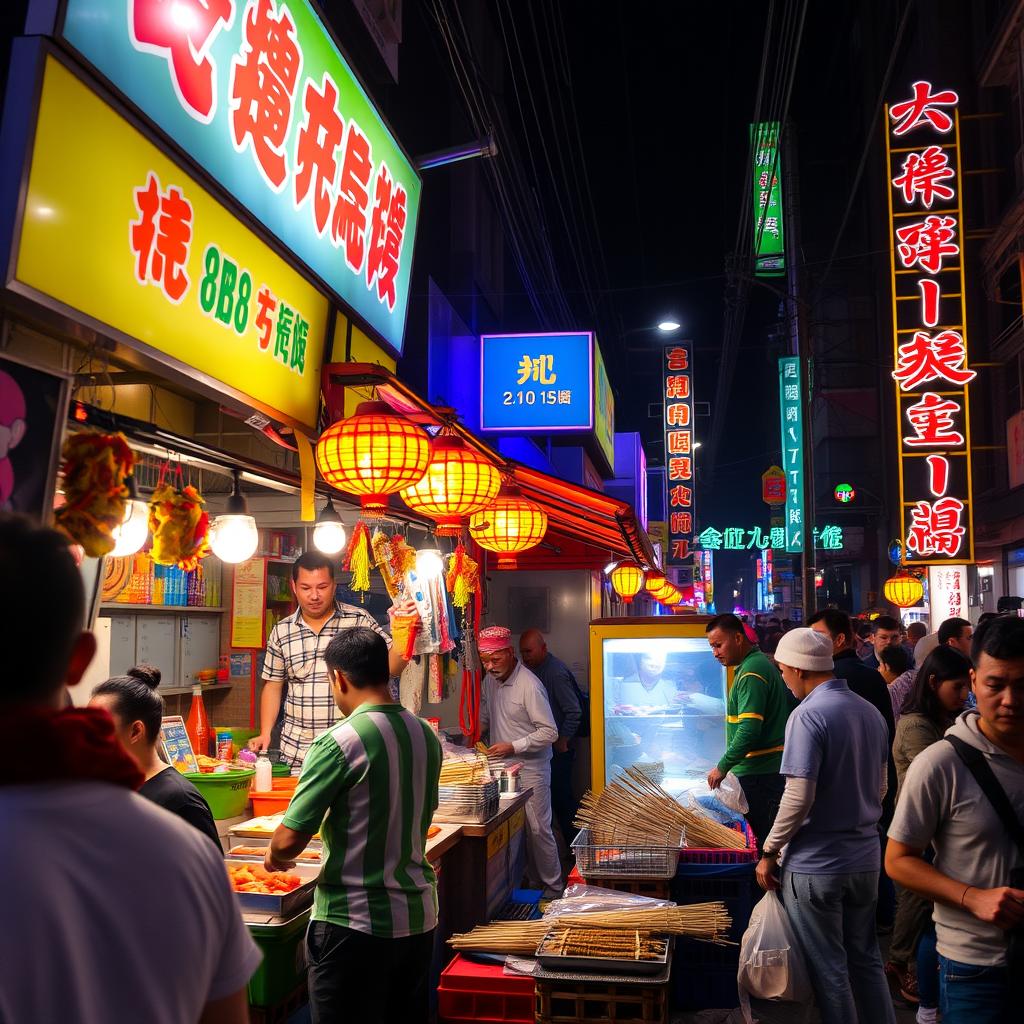
From sizzling skewers to sweet tanghulu, China's street food scene is a feast. Our guide covers must-try dishes, regional specialties, and where to eat.
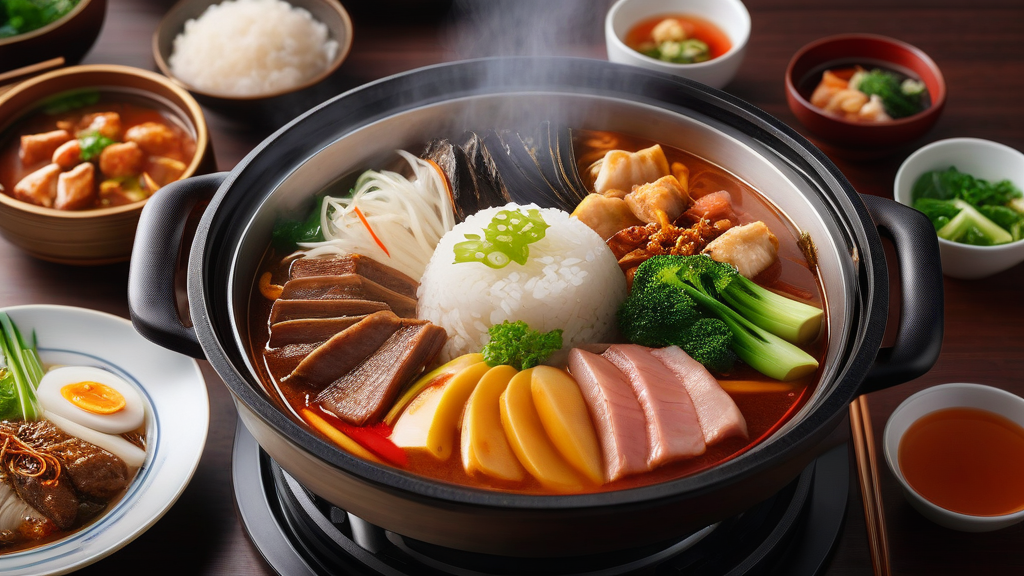
Master the art of Chinese hotpot with our insider guide. Discover broth secrets, dipping sauce recipes, cooking order, and etiquette to eat like a local. From Chongqing spicy to Cantonese seafood, become a hotpot pro.
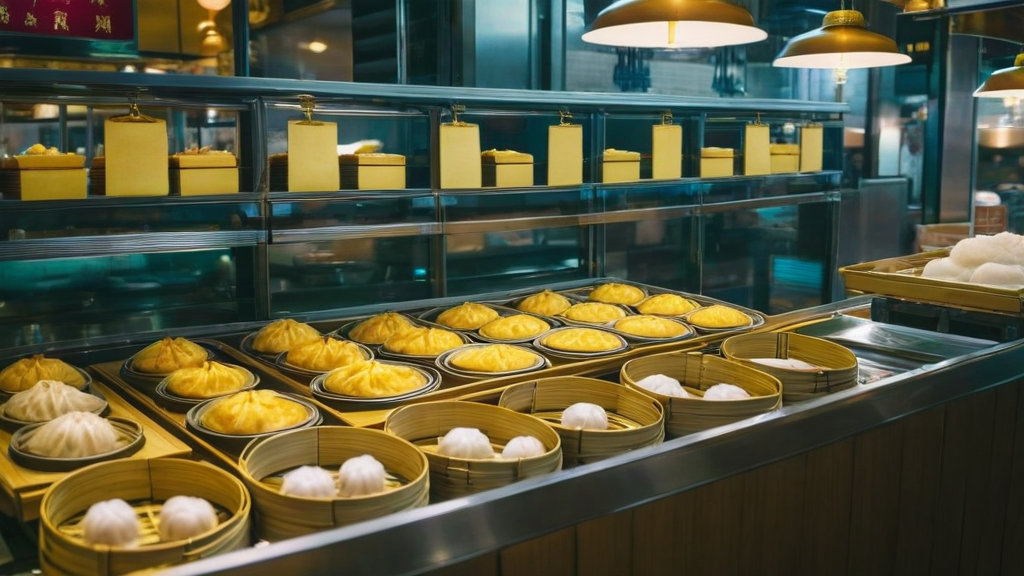
Forget the tourist traps. I've spent eight years tracking down every bamboo steamer in Hong Kong — from Michelin-starred temples to sweaty back-alley joints where the old ladies still roll the shrimp dumplings by hand.…