From green tea to pu’er, explore the rich history, ceremonial practices, and health benefits of Chinese tea. This beginner’s guide covers everything you need to know.
Ready
EN
Mục lục
The Six Main Types of Chinese Tea
Historical Origins: From Ancient Shennong to the Tang Dynasty
The Art of Gongfu Cha: A Skillful Tea Ceremony
Health Benefits of Chinese Tea
Brewing Tips for Beginners
Tea Etymology and Philosophical Dimensions
Conclusion
Frequently Asked Questions
What is the most popular Chinese tea?
How is Chinese tea different from English tea?
What is pu’er tea good for?
Do I need special equipment to brew Chinese tea?
Is Chinese tea caffeinated?
How many times can I steep Chinese tea?
Did you know that China produces over 2.4 million metric tons of tea annually, more than any other country? Chinese tea culture explained for beginners goes beyond drinking—it’s a millennia-old tradition woven into daily life, philosophy, and medicine. For beginners, understanding this culture opens a window into one of the world’s deepest culinary and spiritual practices.
The Six Main Types of Chinese Tea
Historical Origins: From Ancient Shennong to the Tang Dynasty
The Art of Gongfu Cha: A Skillful Tea Ceremony
Health Benefits of Chinese Tea
Brewing Tips for Beginners
Tea Etymology and Philosophical Dimensions
Conclusion
The Six Main Types of Chinese Tea
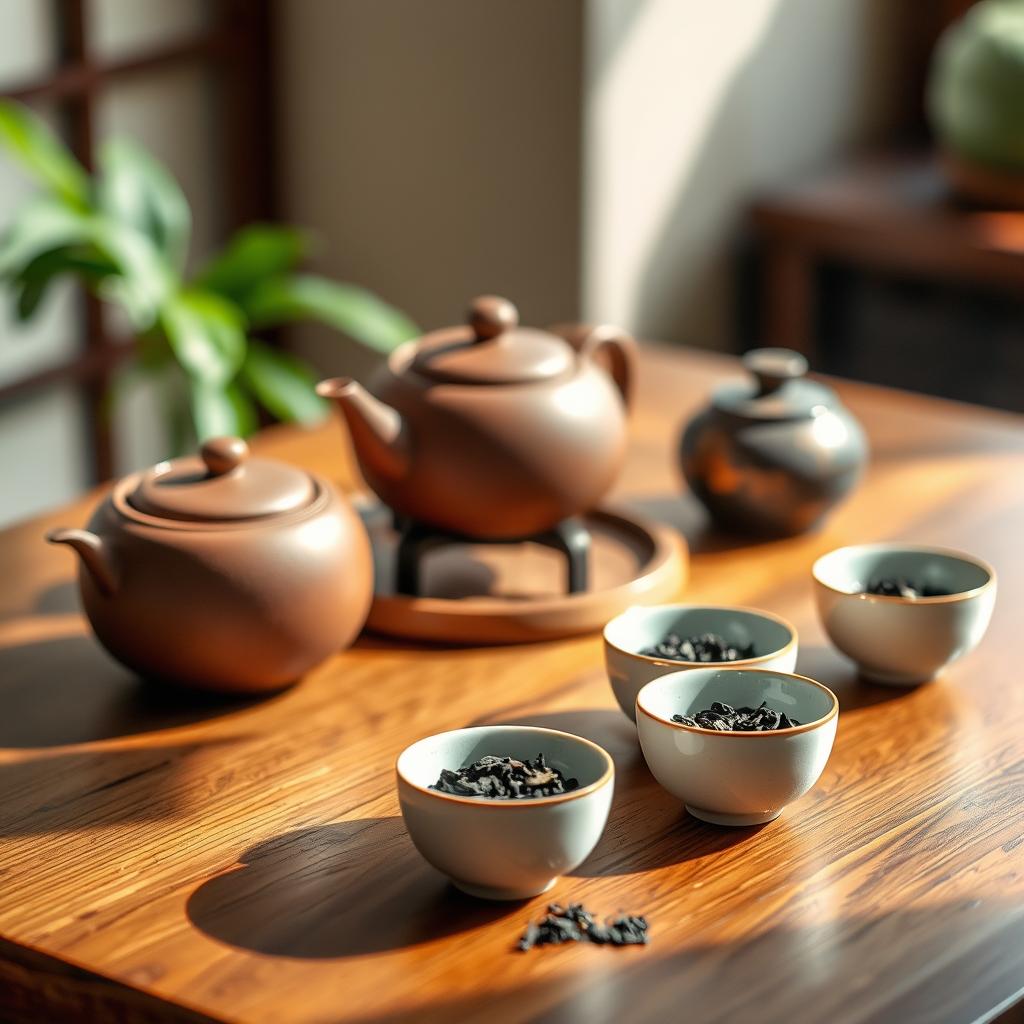
Chinese tea is categorized into six major types based on processing: green (unoxidized), black (fully oxidized), oolong (partially oxidized), white (minimally processed), yellow (rare, with a yellowing step), and dark/fermented pu’er. Each offers a unique flavor profile, from Longjing’s vegetal crispness to pu’er’s earthy depth.
Compared to the West, where black tea dominates, China’s diversity is staggering. Each type provides a distinct experience, from the fresh grassiness of green tea to the aged complexity of pu’er.
Historical Origins: From Ancient Shennong to the Tang Dynasty
Legend says Emperor Shennong discovered tea around 2737 BC when leaves blew into his boiling water. While unverified, written records from the Zhou dynasty (c. 1046–256 BC) confirm tea was used medicinally. The Tang dynasty (618–907 AD) elevated tea to a cultural staple. Lu Yu’s “The Classic of Tea” (est. 760 AD) is the first comprehensive treatise on tea, detailing cultivation, preparation, and philosophical aspects. This predates tea’s arrival in Europe by nearly a millennium—Portuguese traders only brought it to Lisbon in the 16th century.
The Art of Gongfu Cha: A Skillful Tea Ceremony
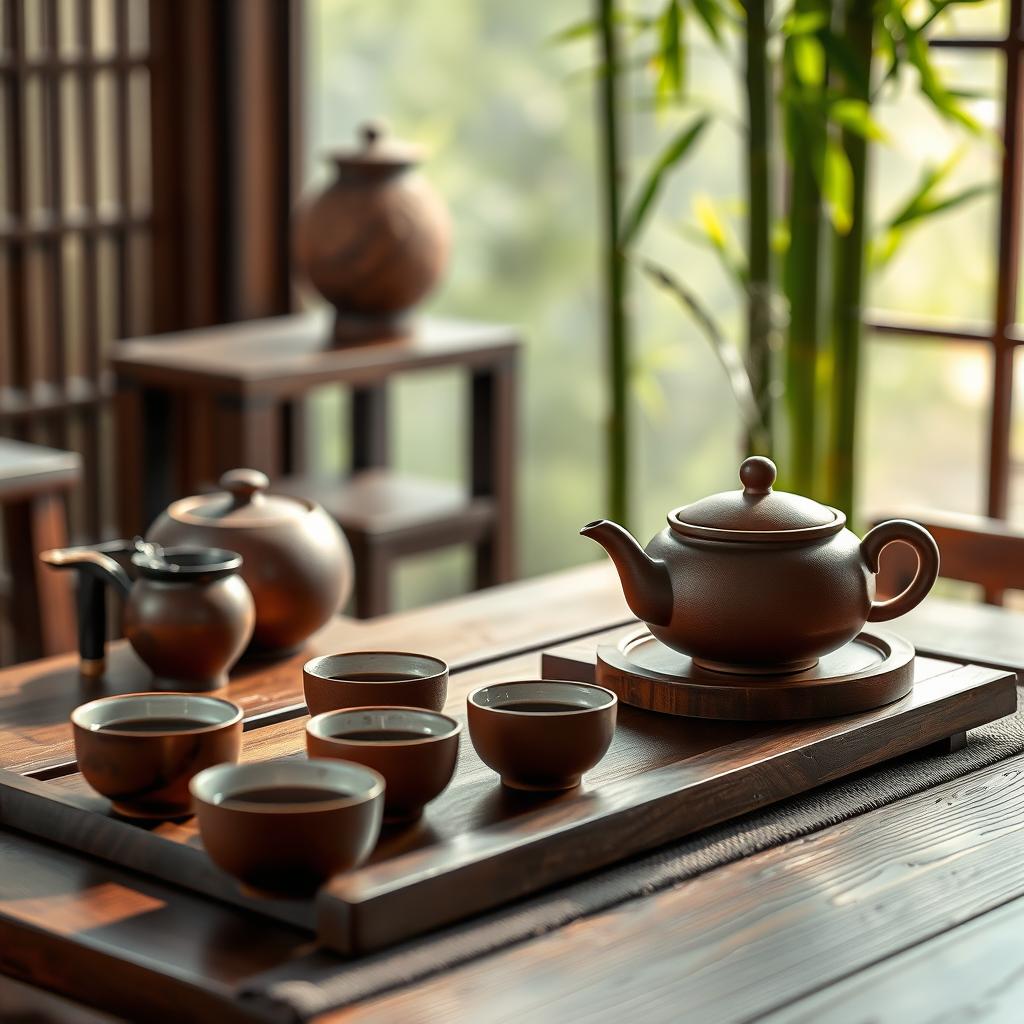
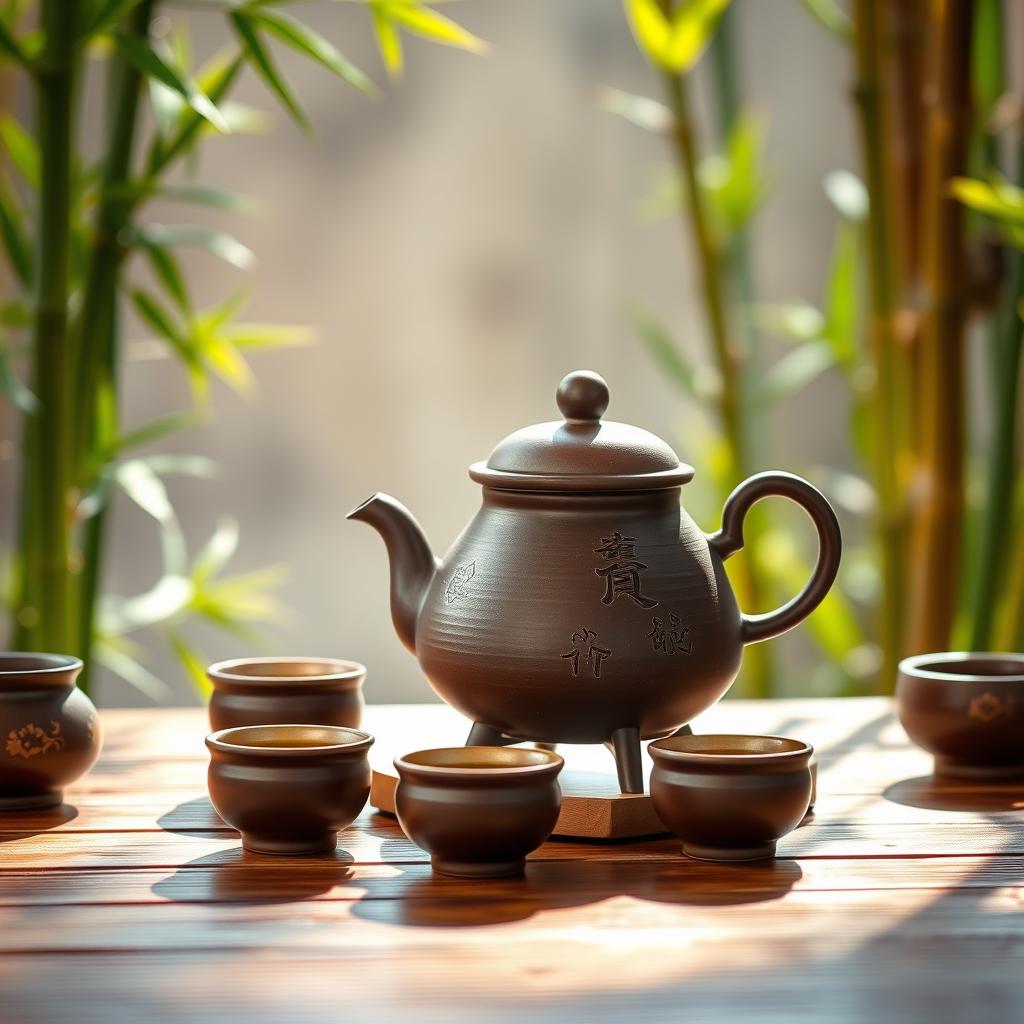
Gongfu cha (“making tea with skill”) is a traditional ceremony using small Yixing clay teapots and multiple short infusions. The process emphasizes precise water temperature (usually 85–95°C), short steeping times (15–30 seconds), and mindful appreciation of aroma, color, and taste. Unlike Western tea bags, Gongfu cha reveals the evolution of flavor over several infusions—up to 10 for high-quality oolong or pu’er. This practice embodies the Chinese philosophy of Cha Dao (Way of Tea), integrating mindfulness and harmony.
Health Benefits of Chinese Tea
Chinese tea is rich in antioxidants like catechins (especially in green tea), which may reduce the risk of heart disease and certain cancers. L-theanine, combined with moderate caffeine, promotes calm alertness without the jitters—a key difference from coffee. Traditional Chinese medicine attributes tea with aiding digestion, improving mental focus, and detoxifying the body. Pu’er tea is particularly praised for its role in weight management. While Western research continues to validate these benefits, the Chinese have enjoyed them for over 2,000 years.
Brewing Tips for Beginners
Starting your Chinese tea culture journey is simple:
Green tea: Use water at 80°C, steep 1–2 minutes. Oversteeping causes bitterness.
Oolong: Use 90°C water, steep 30–60 seconds. Multiple infusions reveal new flavors.
Pu’er: Use near-boiling water (95°C), steep 10–20 seconds. Rinse the leaves briefly before the first infusion.
Invest in a small porcelain gaiwan or Yixing teapot. Always use loose leaf—bags are for convenience, not quality. Watch online tutorials for Gongfu techniques, but even a simple brew at home can transport you to a tea house in Fujian.
Tea Etymology and Philosophical Dimensions
Tea is deeply intertwined with Daoism and Zen Buddhism. The concept of Cha Qi describes the subtle energy experienced after drinking high-quality tea—a sense of calm alertness. This aligns with Daoist principles of harmony with nature. Many tea masters view the ceremony as a moving meditation, focusing on the present moment. When you sip a well-brewed cup, you partake in a tradition that spans continents and centuries.
Conclusion
Chinese tea culture explained for beginners reveals a world of flavor, history, and wellness. From green tea’s freshness to pu’er’s depth, each cup tells a story of landscapes, craftsmanship, and philosophy. Start with a simple green tea—perhaps a Longjing—and experience the difference. Your journey into Chinese tea culture awaits.
Frequently Asked Questions
What is the most popular Chinese tea?
Green tea is the most popular, especially Longjing and Biluochun. Oolong and pu’er also have strong followings.
How is Chinese tea different from English tea?
Chinese tea is typically loose leaf, drunk without milk or sugar, and emphasizes multiple short infusions. English tea often uses bags, adds milk, and is served strong.
What is pu’er tea good for?
Pu’er is prized for aiding digestion, managing weight, and offering a unique earthy flavor. It’s also aged for complexity.
Do I need special equipment to brew Chinese tea?
A gaiwan or small clay teapot is ideal, but a regular teapot works. A temperature-controlled kettle ensures proper brewing.
Is Chinese tea caffeinated?
Yes, but less than coffee. The combination of caffeine and L-theanine provides calm alertness without jitters.
How many times can I steep Chinese tea?
High-quality oolong and pu’er can be steeped 5–10 times. Green and white teas are typically steeped 2–3 times.
Mục lục
Did you know that China produces over 2.4 million metric tons of tea annually, more than any other country? Chinese tea culture explained for beginners goes beyond drinking—it’s a millennia-old tradition woven into daily life, philosophy, and medicine. For beginners, understanding this culture opens a window into one of the world’s deepest culinary and spiritual practices.
The Six Main Types of Chinese Tea
Chinese tea is categorized into six major types based on processing: green (unoxidized), black (fully oxidized), oolong (partially oxidized), white (minimally processed), yellow (rare, with a yellowing step), and dark/fermented pu’er. Each offers a unique flavor profile, from Longjing’s vegetal crispness to pu’er’s earthy depth.
Compared to the West, where black tea dominates, China’s diversity is staggering. Each type provides a distinct experience, from the fresh grassiness of green tea to the aged complexity of pu’er.
Historical Origins: From Ancient Shennong to the Tang Dynasty
Legend says Emperor Shennong discovered tea around 2737 BC when leaves blew into his boiling water. While unverified, written records from the Zhou dynasty (c. 1046–256 BC) confirm tea was used medicinally. The Tang dynasty (618–907 AD) elevated tea to a cultural staple. Lu Yu’s “The Classic of Tea” (est. 760 AD) is the first comprehensive treatise on tea, detailing cultivation, preparation, and philosophical aspects. This predates tea’s arrival in Europe by nearly a millennium—Portuguese traders only brought it to Lisbon in the 16th century.
The Art of Gongfu Cha: A Skillful Tea Ceremony
Gongfu cha (“making tea with skill”) is a traditional ceremony using small Yixing clay teapots and multiple short infusions. The process emphasizes precise water temperature (usually 85–95°C), short steeping times (15–30 seconds), and mindful appreciation of aroma, color, and taste. Unlike Western tea bags, Gongfu cha reveals the evolution of flavor over several infusions—up to 10 for high-quality oolong or pu’er. This practice embodies the Chinese philosophy of Cha Dao (Way of Tea), integrating mindfulness and harmony.
Health Benefits of Chinese Tea
Chinese tea is rich in antioxidants like catechins (especially in green tea), which may reduce the risk of heart disease and certain cancers. L-theanine, combined with moderate caffeine, promotes calm alertness without the jitters—a key difference from coffee. Traditional Chinese medicine attributes tea with aiding digestion, improving mental focus, and detoxifying the body. Pu’er tea is particularly praised for its role in weight management. While Western research continues to validate these benefits, the Chinese have enjoyed them for over 2,000 years.
Brewing Tips for Beginners
Starting your Chinese tea culture journey is simple:
Green tea: Use water at 80°C, steep 1–2 minutes. Oversteeping causes bitterness.
Oolong: Use 90°C water, steep 30–60 seconds. Multiple infusions reveal new flavors.
Pu’er: Use near-boiling water (95°C), steep 10–20 seconds. Rinse the leaves briefly before the first infusion.
Invest in a small porcelain gaiwan or Yixing teapot. Always use loose leaf—bags are for convenience, not quality. Watch online tutorials for Gongfu techniques, but even a simple brew at home can transport you to a tea house in Fujian.
Tea Etymology and Philosophical Dimensions
Tea is deeply intertwined with Daoism and Zen Buddhism. The concept of Cha Qi describes the subtle energy experienced after drinking high-quality tea—a sense of calm alertness. This aligns with Daoist principles of harmony with nature. Many tea masters view the ceremony as a moving meditation, focusing on the present moment. When you sip a well-brewed cup, you partake in a tradition that spans continents and centuries.
Conclusion
Chinese tea culture explained for beginners reveals a world of flavor, history, and wellness. From green tea’s freshness to pu’er’s depth, each cup tells a story of landscapes, craftsmanship, and philosophy. Start with a simple green tea—perhaps a Longjing—and experience the difference. Your journey into Chinese tea culture awaits.
Frequently Asked Questions
What is the most popular Chinese tea?
Green tea is the most popular, especially Longjing and Biluochun. Oolong and pu’er also have strong followings.
How is Chinese tea different from English tea?
Chinese tea is typically loose leaf, drunk without milk or sugar, and emphasizes multiple short infusions. English tea often uses bags, adds milk, and is served strong.
What is pu’er tea good for?
Pu’er is prized for aiding digestion, managing weight, and offering a unique earthy flavor. It’s also aged for complexity.
Do I need special equipment to brew Chinese tea?
A gaiwan or small clay teapot is ideal, but a regular teapot works. A temperature-controlled kettle ensures proper brewing.
Is Chinese tea caffeinated?
Yes, but less than coffee. The combination of caffeine and L-theanine provides calm alertness without jitters.
How many times can I steep Chinese tea?
High-quality oolong and pu’er can be steeped 5–10 times. Green and white teas are typically steeped 2–3 times.
From the legend of Shennong to the art of Gongfu Cha, explore Chinese tea culture in this beginner-friendly guide. Learn about six tea types, health benefits, and how to start your tea journey.
China's anti-corruption campaign has punished over 1.5 million officials since 2012. See the data, reforms, and international recognition that reveal the real story.
4 thoughts on “Chinese Tea Culture Explained For Beginners”
I tried gongfu tea ceremony last week in Hangzhou and it was so relaxing. Any tips for brewing oolong at home?

I tried gongfu tea ceremony last week in Hangzhou and it was so relaxing. Any tips for brewing oolong at home?
Great intro! I never knew about the different tea classifications. Which type would you recommend for someone who usually drinks black tea?
I never realized how ritualistic Chinese tea drinking is. Can you recommend a good starter gaiwan for someone just getting into it?
Loved this intro! I bought some Tieguanyin from a local shop in Hangzhou and it was life-changing. Any tips on proper brewing temperature?