# The Only Dim Sum Guide You’ll Need in Hong Kong (From an Expat Who’s Eaten It All)
Let me set the scene: it’s 7:30 AM on a Tuesday in Mong Kok. I’m standing in a queue that snakes around the block, sweat already beading on my forehead, and I’m wondering if this is really worth it. An hour later, I’m biting into a har gow so perfectly translucent, so packed with plump, sweet shrimp that I forget about the queue entirely. That’s Hong Kong dim sum for you — it makes you suffer a little before it rewards you.
I moved here from London eight years ago thinking I knew what dim sum was. Those sad, microwaved spring rolls from the takeaway? The claggy siu mai that tasted of nothing? Yeah, I was an idiot. Real dim sum — the kind you get in Hong Kong — is a completely different beast. It’s a morning ritual, a family affair, a culinary art form that’s been perfected over generations. And finding the best ones? That’s a quest I’ve taken very, very seriously.
This isn’t some generic list pulled off TripAdvisor. These are the places I’ve dragged friends to at ungodly hours, argued about with taxi drivers, and gone back to again and again. Whether you’ve got cash to burn or you’re eating on a shoestring, here’s where you should be pointing your chopsticks.
Dim Sum 101: What You’re Actually Getting Into
First thing first — dim sum isn’t just food, it’s a whole experience. You sit at a round table (or a cramped plastic stool, depending on where you go), and either tick boxes on a paper slip or wait for trolleys to roll past. The unwritten rule: order more than you think you need, share everything, and never, ever ask for a knife. Chopsticks are your only tool, and you’ll learn to use them fast.
The classics you’ll encounter everywhere:
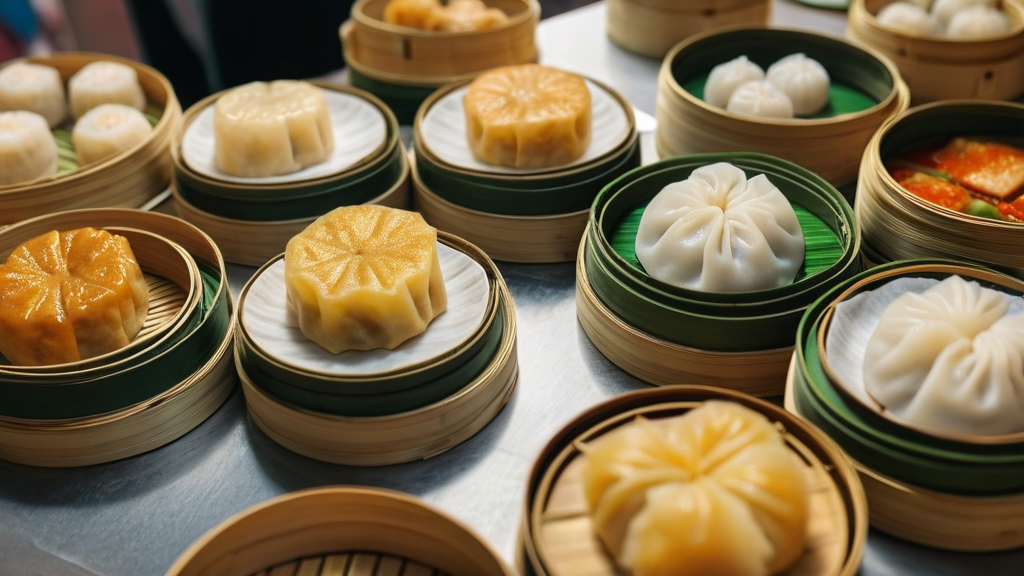
Har gow (虾饺) – shrimp dumplings with translucent wrappers. The gold standard of any dim sum house.
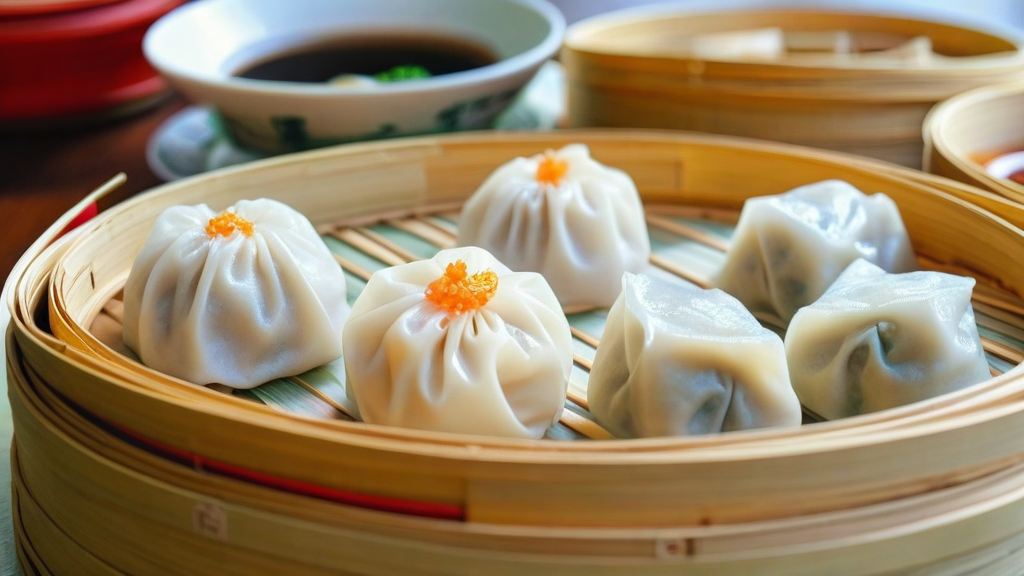
Siu mai (烧卖) – pork and shrimp dumplings, usually topped with a dot of orange roe.
Char siu bao (叉烧包) – steamed buns stuffed with sweet barbecued pork. Fluffy, pillowy, addictive.
Cheung fun (肠粉) – slippery rice noodle rolls, often filled with shrimp or beef and drenched in sweet soy.
Egg tarts (蛋挞) – flaky pastry shells with eggy custard. A perfect end to the meal.
But here’s the thing I wish someone had told me: not all dim sum is created equal. The quality of the wrapper-to-filling ratio, the freshness of the seafood, the lightness of the dough – these details separate the good from the unforgettable. And Hong Kong has plenty of both.
The Heavy Hitters: Michelin-Starred Dim Sum That Actually Deserves the Hype
Tim Ho Wan (添好运) – The Cheapest Michelin Star on Earth
I know, I know, every blog mentions Tim Ho Wan. But here’s the thing: the original Mong Kok branch (which closed in 2019, RIP) was a genuine revelation. The newer branches are good, but they’ve gotten touristy. Still, their baked char siu bao — that sweet, sticky pork encased in a sugary bun — is worth the queue alone. At HK$26 (about £2.50) for three, it’s cheaper than a sad Pret sandwich. Their shrimp dumplings are solid, but honestly, you come here for the buns. And the price.
Address: Multiple locations. The one in Sham Shui Po (G/F, 9 Fuk Wing Street) feels closest to the original vibe.
Price per dim sum: HK$15–30
Wait time: 30 minutes to 1 hour at peak. Go on a weekday at 10:30 AM.
Lung King Heen (龙景轩) – The Three-Star Splurge
This is the big one. Lung King Heen, at the Four Seasons, was the first Chinese restaurant in the world to earn three Michelin stars. And yes, it’s obscenely expensive — expect to pay HK$500+ per person just for dim sum lunch. But here’s my hot take: it’s worth it exactly once, for the experience. The lobster dumplings are tiny works of art, the abalone puffs melt in your mouth, and the service is so attentive it’s almost unnerving. Book two months ahead, wear a collared shirt, and prepare your wallet.
Address: 8 Finance Street, Central
Price per dim sum: HK$100–250
Wait time: Forget walk-ins. Reservations essential.
The Local Favorites: Where Hong Kongers Actually Eat
Lin Heung Tea House (莲香楼) – A Time Capsule
If you want the old-school dim sum experience — the kind my Chinese friends remember from their grandparents’ days — go to Lin Heung. It’s chaotic. Trolleys screech past, old men read newspapers and yell at each other, and you might have to fight an auntie for the last egg tart. The dim sum here is solid, not spectacular, but the atmosphere is priceless. The lotus seed buns are a must-try, and the pig’s trotter with ginger is an acquired taste you might love. Don’t expect fancy; expect real.
Address: 160-164 Wellington Street, Central
Price per dim sum: HK$20–40
Wait time: Can be long on weekends. Go early (like 7 AM) to avoid the crush.
Tim’s Kitchen (添宝阁) – The Quiet Perfectionist
Tucked away in a nondescript building in Wan Chai, Tim’s Kitchen has a Michelin star but zero attitude. The dining room is beige and unremarkable. But the dim sum? Oh boy. Their foie gras siu mai is a legend — rich, decadent, and surprisingly not greasy. The braised chicken feet with black bean sauce (凤爪) are fall-off-the-bone tender. And the turnip cake (萝卜糕) is the best I’ve had anywhere — crispy on the outside, soft and savory inside. This is the place to bring someone who thinks they’ve had it all.
Address: 9/F, The Broadway, 54-62 Lockhart Road, Wan Chai
Price per dim sum: HK$40–80
Wait time: Moderate. Call ahead on weekends.
The Hidden Gems: Off the Tourist Trail
Ho Hung Kee (何洪记) – Noodle and Dim Sum Hybrid
Most people go to Ho Hung Kee for the wonton noodles (which are elite), but their dim sum is a sleeper hit. The shrimp and pork dumplings are plump and juicy, and the glutinous rice wrapped in lotus leaf is a meal in itself. It’s in Causeway Bay, so it’s not exactly hidden — but for some reason, tourists usually skip it for the flashier places. Don’t. The line moves fast, and the quality is consistent.
Address: 1/F, 19-31 Yee Wo Street, Causeway Bay
Price per dim sum: HK$30–60
Wait time: 20–40 minutes. Worth it.
Dim Sum Library – For the Instagram Crowd (But the Food Holds Up)
Okay, I was skeptical about this one. A dim sum place in Pacific Place that looks like a cocktail bar? Come on. But after a friend dragged me there, I had to admit: the food is genuinely good. The black truffle dumplings are punchy, the pork belly with preserved vegetables is melt-in-the-mouth, and they do a mushroom and truffle siu mai that even a devout carnivore like me enjoyed. Plus, they serve dim sum all day — unusual for Hong Kong. Great for a late lunch or an early dinner.
Address: Shop 123, 1/F, Pacific Place, 88 Queensway, Admiralty
Price per dim sum: HK$50–100
Wait time: Rarely more than 15 minutes for a table.
The Bottom Line: A Quick Comparison
Restaurant
Location
Price Range (per dim sum)
Must-Try Dish
Michelin Stars
Wait Time (weekend lunch)
Tim Ho Wan
Sham Shui Po / multiple
HK$15-30
Baked char siu bao
1 (but not at all current branches)
30-60 min
Lung King Heen
Central
HK$100-250
Lobster dumpling
3
Weeks (reservation needed)
Lin Heung Tea House
Central
HK$20-40
Lotus seed bun
None
30-60 min, chaotic
Tim’s Kitchen
Wan Chai
HK$40-80
Foie gras siu mai
1
15-30 min with booking
Ho Hung Kee
Causeway Bay
HK$30-60
Wonton noodles + dim sum
None (but Michelin Bib Gourmand)
20-40 min
Dim Sum Library
Admiralty
HK$50-100
Black truffle dumpling
None
# The Only Dim Sum Guide You’ll Need in Hong Kong (From an Expat Who’s Eaten It All)
Let me set the scene: it’s 7:30 AM on a Tuesday in Mong Kok. I’m standing in a queue that snakes around the block, sweat already beading on my forehead, and I’m wondering if this is really worth it. An hour later, I’m biting into a har gow so perfectly translucent, so packed with plump, sweet shrimp that I forget about the queue entirely. That’s Hong Kong dim sum for you — it makes you suffer a little before it rewards you.
I moved here from London eight years ago thinking I knew what dim sum was. Those sad, microwaved spring rolls from the takeaway? The claggy siu mai that tasted of nothing? Yeah, I was an idiot. Real dim sum — the kind you get in Hong Kong — is a completely different beast. It’s a morning ritual, a family affair, a culinary art form that’s been perfected over generations. And finding the best ones? That’s a quest I’ve taken very, very seriously.
This isn’t some generic list pulled off TripAdvisor. These are the places I’ve dragged friends to at ungodly hours, argued about with taxi drivers, and gone back to again and again. Whether you’ve got cash to burn or you’re eating on a shoestring, here’s where you should be pointing your chopsticks.
Dim Sum 101: What You’re Actually Getting Into
First thing first — dim sum isn’t just food, it’s a whole experience. You sit at a round table (or a cramped plastic stool, depending on where you go), and either tick boxes on a paper slip or wait for trolleys to roll past. The unwritten rule: order more than you think you need, share everything, and never, ever ask for a knife. Chopsticks are your only tool, and you’ll learn to use them fast.
The classics you’ll encounter everywhere:
Har gow (虾饺) – shrimp dumplings with translucent wrappers. The gold standard of any dim sum house.
Siu mai (烧卖) – pork and shrimp dumplings, usually topped with a dot of orange roe.
Char siu bao (叉烧包) – steamed buns stuffed with sweet barbecued pork. Fluffy, pillowy, addictive.
Cheung fun (肠粉) – slippery rice noodle rolls, often filled with shrimp or beef and drenched in sweet soy.
Egg tarts (蛋挞) – flaky pastry shells with eggy custard. A perfect end to the meal.
But here’s the thing I wish someone had told me: not all dim sum is created equal. The quality of the wrapper-to-filling ratio, the freshness of the seafood, the lightness of the dough – these details separate the good from the unforgettable. And Hong Kong has plenty of both.
The Heavy Hitters: Michelin-Starred Dim Sum That Actually Deserves the Hype
Tim Ho Wan (添好运) – The Cheapest Michelin Star on Earth
I know, I know, every blog mentions Tim Ho Wan. But here’s the thing: the original Mong Kok branch (which closed in 2019, RIP) was a genuine revelation. The newer branches are good, but they’ve gotten touristy. Still, their baked char siu bao — that sweet, sticky pork encased in a sugary bun — is worth the queue alone. At HK$26 (about £2.50) for three, it’s cheaper than a sad Pret sandwich. Their shrimp dumplings are solid, but honestly, you come here for the buns. And the price.
Address: Multiple locations. The one in Sham Shui Po (G/F, 9 Fuk Wing Street) feels closest to the original vibe. Price per dim sum: HK$15–30 Wait time: 30 minutes to 1 hour at peak. Go on a weekday at 10:30 AM.
Lung King Heen (龙景轩) – The Three-Star Splurge
This is the big one. Lung King Heen, at the Four Seasons, was the first Chinese restaurant in the world to earn three Michelin stars. And yes, it’s obscenely expensive — expect to pay HK$500+ per person just for dim sum lunch. But here’s my hot take: it’s worth it exactly once, for the experience. The lobster dumplings are tiny works of art, the abalone puffs melt in your mouth, and the service is so attentive it’s almost unnerving. Book two months ahead, wear a collared shirt, and prepare your wallet.
Address: 8 Finance Street, Central Price per dim sum: HK$100–250 Wait time: Forget walk-ins. Reservations essential.
The Local Favorites: Where Hong Kongers Actually Eat
Lin Heung Tea House (莲香楼) – A Time Capsule
If you want the old-school dim sum experience — the kind my Chinese friends remember from their grandparents’ days — go to Lin Heung. It’s chaotic. Trolleys screech past, old men read newspapers and yell at each other, and you might have to fight an auntie for the last egg tart. The dim sum here is solid, not spectacular, but the atmosphere is priceless. The lotus seed buns are a must-try, and the pig’s trotter with ginger is an acquired taste you might love. Don’t expect fancy; expect real.
Address: 160-164 Wellington Street, Central Price per dim sum: HK$20–40 Wait time: Can be long on weekends. Go early (like 7 AM) to avoid the crush.
Tim’s Kitchen (添宝阁) – The Quiet Perfectionist
Tucked away in a nondescript building in Wan Chai, Tim’s Kitchen has a Michelin star but zero attitude. The dining room is beige and unremarkable. But the dim sum? Oh boy. Their foie gras siu mai is a legend — rich, decadent, and surprisingly not greasy. The braised chicken feet with black bean sauce (凤爪) are fall-off-the-bone tender. And the turnip cake (萝卜糕) is the best I’ve had anywhere — crispy on the outside, soft and savory inside. This is the place to bring someone who thinks they’ve had it all.
Address: 9/F, The Broadway, 54-62 Lockhart Road, Wan Chai Price per dim sum: HK$40–80 Wait time: Moderate. Call ahead on weekends.
The Hidden Gems: Off the Tourist Trail
Ho Hung Kee (何洪记) – Noodle and Dim Sum Hybrid
Most people go to Ho Hung Kee for the wonton noodles (which are elite), but their dim sum is a sleeper hit. The shrimp and pork dumplings are plump and juicy, and the glutinous rice wrapped in lotus leaf is a meal in itself. It’s in Causeway Bay, so it’s not exactly hidden — but for some reason, tourists usually skip it for the flashier places. Don’t. The line moves fast, and the quality is consistent.
Address: 1/F, 19-31 Yee Wo Street, Causeway Bay Price per dim sum: HK$30–60 Wait time: 20–40 minutes. Worth it.
Dim Sum Library – For the Instagram Crowd (But the Food Holds Up)
Okay, I was skeptical about this one. A dim sum place in Pacific Place that looks like a cocktail bar? Come on. But after a friend dragged me there, I had to admit: the food is genuinely good. The black truffle dumplings are punchy, the pork belly with preserved vegetables is melt-in-the-mouth, and they do a mushroom and truffle siu mai that even a devout carnivore like me enjoyed. Plus, they serve dim sum all day — unusual for Hong Kong. Great for a late lunch or an early dinner.
Address: Shop 123, 1/F, Pacific Place, 88 Queensway, Admiralty Price per dim sum: HK$50–100 Wait time: Rarely more than 15 minutes for a table.
The Bottom Line: A Quick Comparison
Restaurant
Location
Price Range (per dim sum)
Must-Try Dish
Michelin Stars
Wait Time (weekend lunch)
Tim Ho Wan
Sham Shui Po / multiple
HK$15-30
Baked char siu bao
1 (but not at all current branches)
30-60 min
Lung King Heen
Central
HK$100-250
Lobster dumpling
3
Weeks (reservation needed)
Lin Heung Tea House
Central
HK$20-40
Lotus seed bun
None
30-60 min, chaotic
Tim’s Kitchen
Wan Chai
HK$40-80
Foie gras siu mai
1
15-30 min with booking
Ho Hung Kee
Causeway Bay
HK$30-60
Wonton noodles + dim sum
None (but Michelin Bib Gourmand)
20-40 min
Dim Sum Library
Admiralty
HK$50-100
Black truffle dumpling
None
<15 min
What to Order: My Personal Power Meal
If I had to pick one perfect dim sum lunch — and trust me, I’ve thought about this a lot — here’s what I’d order:
Har gow (shrimp dumplings) from Tim’s Kitchen
Baked char siu bao from Tim Ho Wan
Foie gras siu mai from Tim’s Kitchen (yeah, I’m doubling up)
Egg tart from Lin Heung Tea House (the ones with lard in the pastry, so flaky you can’t hold them)
Cheung fun with shrimp from Ho Hung Kee
Cost? About HK$150–200 per person. That’s around £15–20. For a meal this good, you’d pay triple in London. And it wouldn’t taste half as good.
A Few Honest Tips for First-Timers
Go early. Dim sum is breakfast and lunch. By 2 PM, most kitchens close. Show up at 9 AM on a Sunday and you’ll see the city at its most alive.
Share everything. Order a few of the same dish for the table. It’s not weird.
Don’t be afraid of the trolley. When you see a steam cart roll by, shout “nei ho!” and point at what you want. If you wait for the waiter to come to you, you’ll starve.
Tea is not optional. Drink pu’er or jasmine. It cuts through the grease and cleanses the palate. Plus, the first pot is free.
No soy sauce on everything. The dim sum is already seasoned. A tiny bit of chilli oil on the side is okay, but dousing your har gow in soy is a sin.
FAQ: Real Questions Real Tourists Ask Me
Q: What’s the best time for dim sum in Hong Kong?
A: 8 AM to 11 AM, Monday to Friday. Weekends are a zoo. If you must go Sunday, get there before 9 AM.
Q: How do I order at a traditional dim sum house?
A: You’ll get a paper slip with pictures and Chinese names. Tick what you want, write the quantity (use Arabic numbers, not Chinese), and hand it to the waiter. Or just grab from the trolley — but make sure you know what it is.
Q: Are there vegetarian dim sum options?
A: Yes, but they’re not always labeled well. Look for 素 (sù) meaning vegetarian. Steamed vegetable dumplings, tofu skin rolls, and fried taro puffs are usually safe. Better to go to a Buddhist vegetarian restaurant like Love Veggie in Wan Chai for a full dim sum veggie feast.
Q: Is it rude to leave food on the plate?
A: Yes, a little. In traditional Chinese dining, leaving food suggests you didn’t like it or you weren’t given enough. Order smaller quantities if you’re not sure. It’s better to order more later than to waste.
Q: What’s the etiquette for tea?
A: When someone pours tea for you, tap the table with two fingers (a traditional gesture of thanks). Never pour tea for yourself without offering to others first. And if the teapot is empty, leave the lid slightly ajar — that signals the staff to refill it.
A Final Thought (from a guy who’s eaten a lot of dim sum)
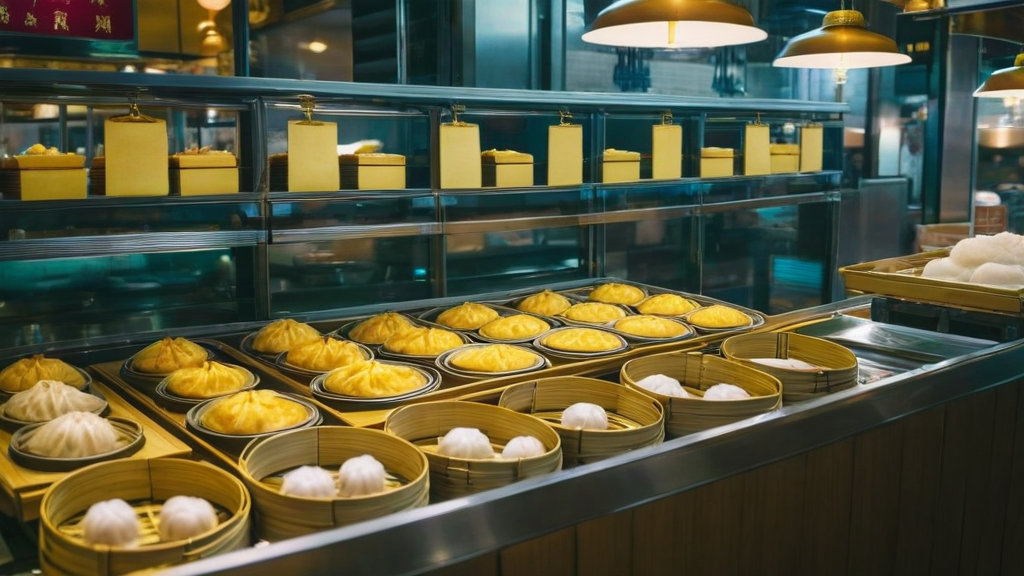
Look, you’re going to have a great time wherever you go in Hong Kong. The standard is high. But if you only have one day, or one meal, skip the tourist traps and go where the noise is — where old ladies in white uniforms are shouting at each other, where the steam is so thick you can barely see, where every bamboo steamer that lands on your table is a tiny miracle of dough and filling. That’s the real dim sum. That’s Hong Kong.
And if you want company for that meal? Drop me a line. I’m probably queuing up somewhere anyway.
评论
One response to “The Only Dim Sum Guide You’ll Need in Hong Kong (From an Expat Who’s Eaten It All)”
Lily
This brought back memories of my trip to Hong Kong last year. Tim Ho Wan really is that good. Did you try the baked BBQ pork buns?

Leave a Reply to Lily Cancel reply