I still remember my first mouthful of Sichuan hotpot – the shock, the sweat, the burning happiness that made me understand why locals call it ‘fire in the pot.’ After eight years of eating my way through Chengdu and Chongqing, here’s everything I wish someone had told me before I sat down to that bu
Ready
EN
The Night I Fell in Love with Fire
I remember the night it happened. It was February, freezing cold in Chengdu, and my local friend Xiao Li dragged me to a place called Huang Cheng Lao Ma (皇城老妈 – “Old Mother of the Imperial City”). The restaurant was packed, steam fogging up the windows, and the air smelled of Sichuan pepper and garlic. Xiao Li ordered a “yuanyang” (鸳鸯) pot – half fiery red broth, half clear chicken stock. “Start with the white side,” he said, grinning. I didn’t listen.
The first bite of beef – dipped in the bubbling red oil – hit me like a freight train. My nose ran. My eyes watered. But then something strange happened: a wave of endorphins washed over me. I couldn’t stop eating. By the end of the night, I was sweating through my shirt, grinning like an idiot, and I understood why the Chinese call it huǒguō (火锅) – literally “fire pot.”
That was eight years ago. Since then, I’ve eaten hotpot in roadside shacks in Chongqing, in fancy chain restaurants in Shanghai, and in tiny family-run joints in rural Sichuan. I’ve burned my tongue more times than I can count and learned the hard way that ordering “normal spicy” in Chengdu is a rookie mistake.
So here it is: the no-bullshit guide to Sichuan hotpot that I wish I’d found back then.
What Exactly Is Sichuan Hotpot?
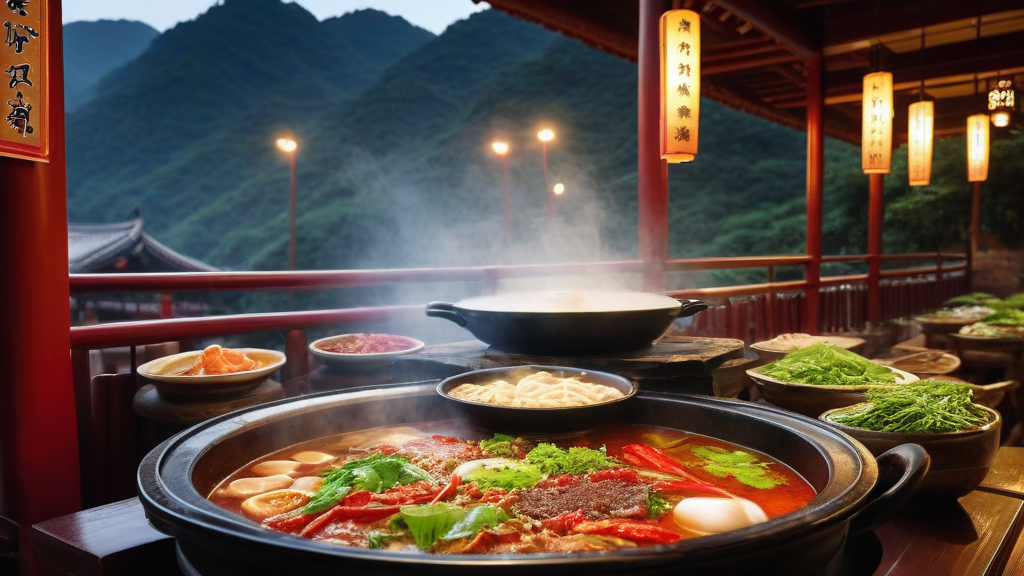
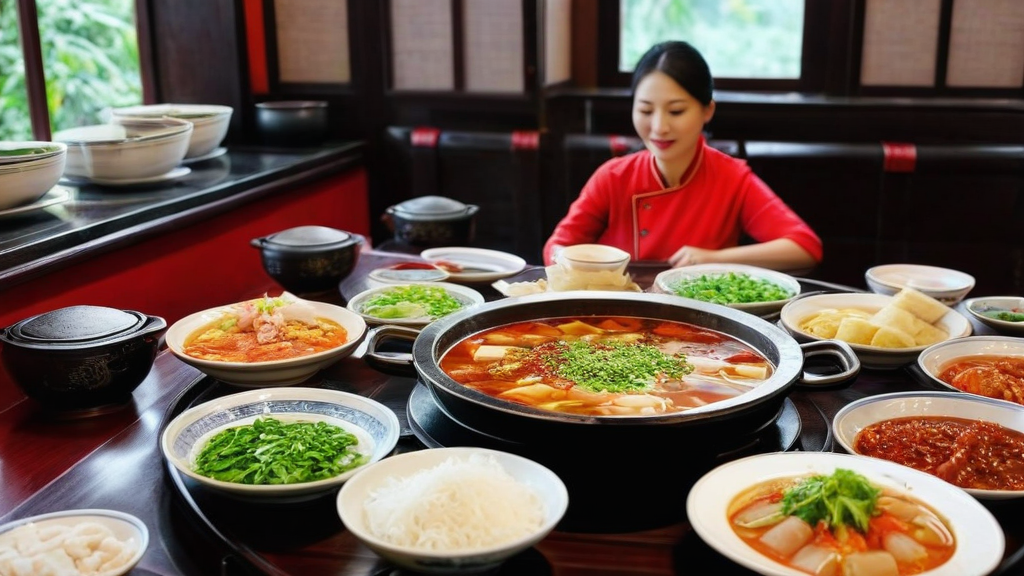
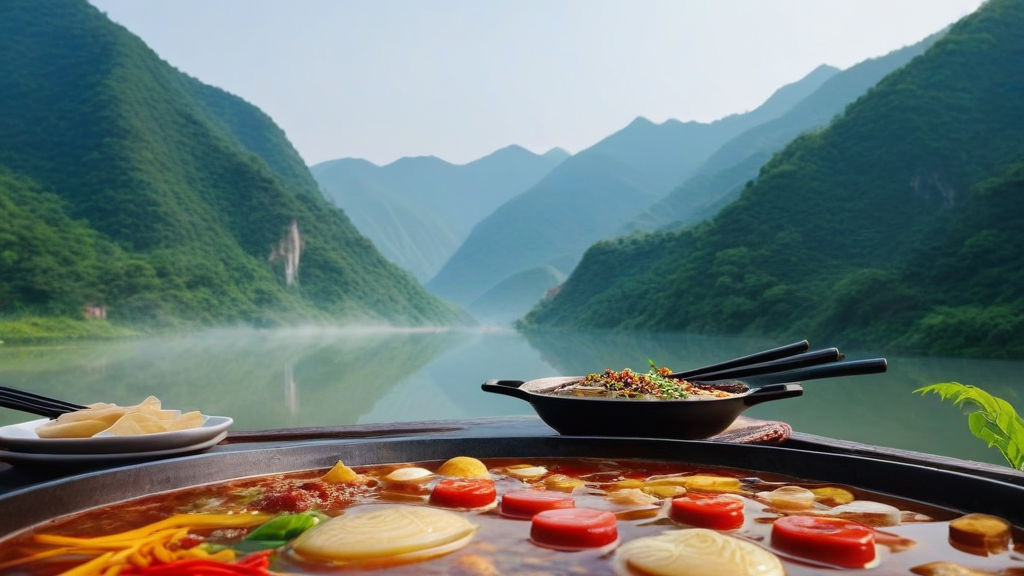
Sichuan hotpot is not just food – it’s a social ritual, a test of endurance, and one of the most addictive things you’ll ever eat. It’s a simmering pot of broth, usually split into two halves (yuanyang), placed in the centre of the table. One side is a clear, mild stock; the other is a terrifyingly red, oil-laden broth swimming with dried chillies and Sichuan peppercorns.
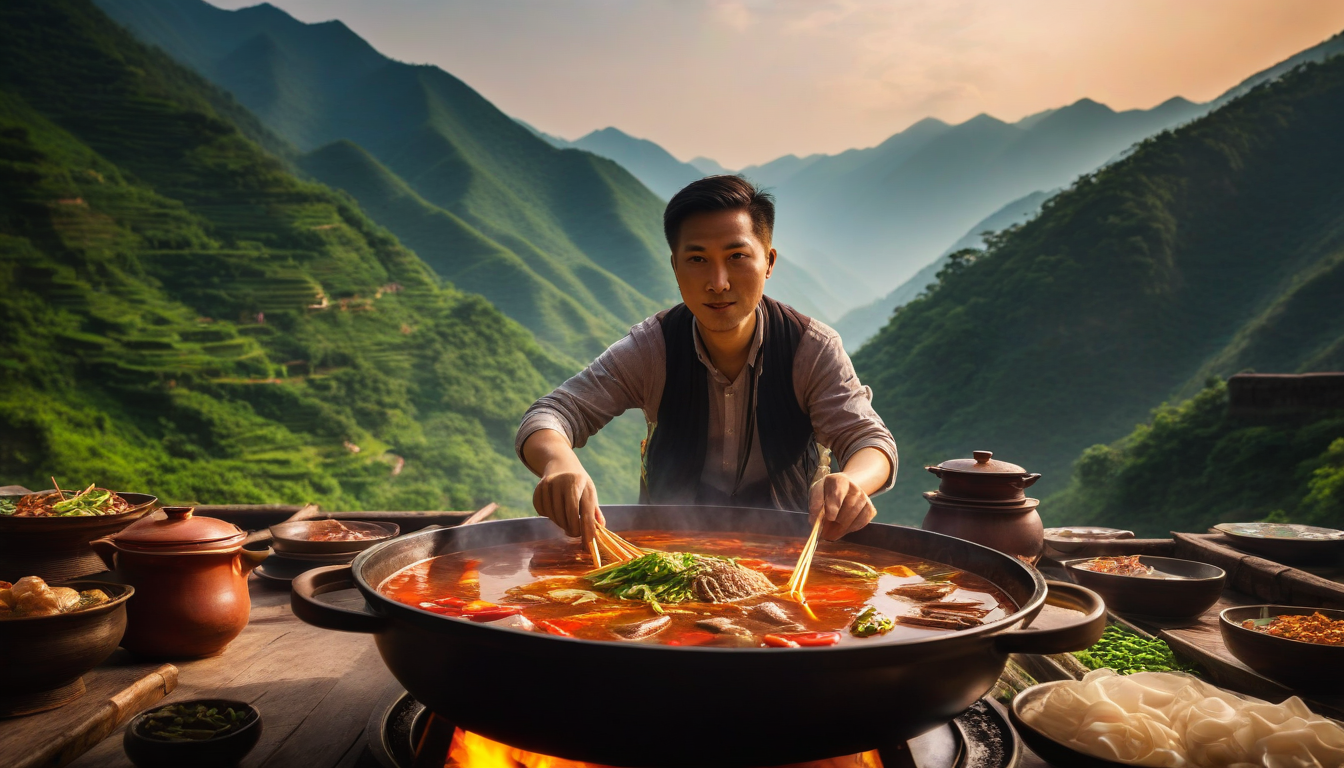
You order raw ingredients – thin slices of beef and lamb, tofu, mushrooms, leafy greens, offal, fish balls, noodles – and cook them yourself at the table using chopsticks or a small wire basket. The dipping sauce is personal: a mix of sesame oil, garlic, spring onions, coriander, and maybe a splash of vinegar or soy sauce.
But here’s the kicker: the magic isn’t in the ingredients. It’s in that broth – especially the malà (麻辣) broth. Má means “numbing” from Sichuan peppercorn; là means “spicy” from chillies. Together, they create a sensation that makes your mouth tingle, your face flush, and your brain release happy chemicals. It’s addictive by design.
The Key Components: Broth, Dipping Sauce, and Ingredients
The Broth: Choosing Your Fire
The broth is the soul of the hotpot. There are three main types you’ll encounter:
Broth Type
Chinese Name
Flavour Profile
Best For
Weird Factor
Red Oil (pure malà)
红油
Numbing, spicy, rich from beef tallow
Offal, beef, anything that can handle heat
7/10 – your sinuses will clear
Yuanyang
鸳鸯
Half spicy, half mild
First-timers; mix of flavours
3/10 – safest choice
Tomato Broth
番茄
Sweet, tangy, mild
Kids, vegans, weaklings (just kidding – it’s delicious)
2/10 – refreshing break
Mushroom Broth
菌菇
Earthy, umami
Vegetables, seafood
1/10 – feels healthy
My advice: If it’s your first time, order yuanyang. You can gradually migrate towards the red side as your courage builds. The white broth isn’t just a safety net – it’s a great palate cleanser between spicy rounds.
The Dipping Sauce: Build Your Own
Here’s where Westerners often go wrong. DON’T reach for soy sauce and call it a day. The classic Chengdu-style dip is beautifully simple:
Base: 2-3 tablespoons of sesame oil (芝麻油 – zhīma yóu)
Crushed garlic (蒜 – suàn) – lots of it
Chopped spring onions (葱 – cōng)
Fresh coriander (香菜 – xiāngcài)
A splash of black vinegar (醋 – cù)
Optional: a teaspoon of Sichuan pepper powder (花椒粉 – huājiāo fěn) if you’re feeling brave
Why sesame oil? It coats the food, cools it slightly, and cuts through the richness of the broth. Plus the fat helps carry the flavour. It’s genius.
Pro tip: Never put raw meat directly into your dipping bowl – use the serving chopsticks. I’ve seen too many tourists double-dip and then wonder why they got the runs.
The Ingredients: What to Order
You’ll find a bewildering menu of options. Here’s what I’ve learned to order (and what to avoid):
Must-tries:
Dàpiàn niúròu (大片牛肉) – large thin slices of beef, usually marbled with fat. Cook for 15-20 seconds in the red broth. Heaven.
Yángròu juǎn (羊肉卷) – rolled lamb slices. Stronger flavour, excellent with the numbing broth.
Máodù (毛肚) – tripe (cow stomach). Sounds intimidating, but it’s a Sichuan classic. Dip in red broth for 10 seconds, then eat immediately. It’s crunchy and soaks up the spice.
Hóuwáng (猴王) – sliced pig brain. Not for the faint-hearted, but creamy and delicate. Cook for 3-4 minutes.
Lián’ǒu (莲藕) – lotus root slices. They stay crunchy even after cooking. Great for texture.
Dòufu pí (豆腐皮) – dried tofu skin. Soaks up broth like a sponge.
Avoid if you’re new:
Yā xuè (鸭血) – duck blood tofu. It’s a dark red block that tastes like iron. Acquired taste.
Jī chí (鸡翅) – chicken wings. They take forever to cook and you’ll burn your mouth trying to get the meat off.
Anything labelled tè là (特辣 – extra spicy). You’ve been warned.
How to Eat Sichuan Hotpot Like a Local
There’s an etiquette to hotpot that foreigners often miss. Let me break it down.
1. The order of cooking
Start with the meaty, fatty stuff – beef, lamb, tripe. They flavour the broth for everything else. Then add vegetables, tofu, and mushrooms. Save noodles and rice for the end, when the broth is at its richest.
2. Don’t dump everything in at once
I see Westerners do this all the time: they throw all the ingredients into the pot simultaneously. Bad move. Different foods cook at different times. A slice of beef takes 15 seconds; a potato takes 5 minutes. Cook in small batches.
3. Use the strainer spoon
Each table should have a small wire strainer spoon (漏勺 – lòu sháo). Use it to fish out small things like fish balls or tofu that’ve sunk to the bottom. Or ask for a second set of chopsticks – the ‘public chopsticks’ – for handling raw food.
4. Drink soy milk, not beer
I made this mistake for years. Beer feels great but actually amplifies the heat. A glass of cold soy milk (豆浆 – dòu jiāng) or suanmeitang (酸梅汤 – sour plum drink) soothes the burning. Some places even serve a small bowl of molten butter – dip your food in it for real comfort.
5. Save the broth at the end
Once you’ve eaten everything, the remaining broth is a concentrated flavour bomb. Skim off the oil (or don’t, if you’re brave) and pour it over a bowl of rice or noodles. The Chinese call this tāng pào fàn (汤泡饭) – soup-soaked rice. It’s the best part of the meal.
Best Sichuan Hotpot in Chengdu (My Personal Picks)
I’ve tried dozens of places. Here are three that stand out:
1. Huang Cheng Lao Ma (皇城老妈)
The one that started it all for me. This is the ‘old reliable’ chain – consistent quality, good service, and English menus in some branches. Their signature beef is amazing. Price: around ¥100-150 per person. Location: several branches, but the one near Wuhou Temple is tourist-friendly.
2. Chuan Xi Chuan (串熙串)
A more modern spot popular with young locals. They serve individual mini-pots so you don’t have to share broth – great if you’re eating with someone who can’t handle spice. Their tomato broth is surprisingly good. Price: ¥80-120 per person. Branch in Chunxi Road.
3. Lao Ma Tou (老妈头)
Tucked away in a hútòng (胡同 – alley) near the Jinli ancient street, this is a no-frills local joint. The owner grandma oversees the kitchen. No English menu, no fancy décor – just incredible broth that’s been simmering for hours. Bring a translation app and your courage. Price: ¥50-70 per person. Find it: Baidu map search “老妈头火锅 武侯区”.
My recommendation? Go to Huang Cheng Lao Ma for your first time. It’s tourist-friendly but still authentic. Save Lao Ma Tou for when you’re feeling adventurous.
Sichuan vs. Chongqing Hotpot: What’s the Difference?
I’ve been asked this more times than I can count. The short answer: Chongqing hotpot is pure fire; Sichuan hotpot is more nuanced.
Feature
Sichuan (Chengdu)
Chongqing
Broth base
Beef tallow + vegetable oil
Pure beef tallow (old oil, often reused)
Spice level
Strong but aromatic
Intense, sometimes overwhelming
Peppercorn
Heavy use – strong numbing
Lighter use – more focus on chilli
Dipping sauce
Sesame oil-based dry dip
Sesame oil + raw garlic (no vinegar)
Ingredients
Wide variety – lots of offal
Heavy on tripe, liver, intestines
Experience
Social, long meals
Quick, intense, almost competitive
Chongqing locals joke that if you can finish a Chongqing hotpot without crying, you get a free refill. I’ve never managed it.
Common Mistakes Foreigners Make (And How to Avoid Them)
Ordering extra spicy on the first go – Don’t. Choose ‘mild spicy’ (微辣 – wēi là) or yuanyang. You can always add more chilli oil.
Not waiting for the broth to boil – The pot needs to be rolling vigorously before you start cooking. If it’s barely simmering, food will take forever and get greasy.
Using the same chopsticks for raw and cooked food – Cross-contamination risk is real. Ask for separate tongs or a second set of chopsticks.
Forgetting to mix the dipping sauce – The oil and garlic separate. Stir it well before each dip.
Skipping the side dishes – Most hotpot places serve free snacks like peanuts, pickled radish, or yóu tiáo (油条 – fried dough sticks). Don’t ignore them.
FAQs: Real Questions from Real Tourists
Q: Is it safe to eat hotpot in China? I’m worried about hygiene.
Look – you’re eating in a restaurant where everyone shares a pot. It’s generally fine as long as the broth is boiling. Avoid places that look dodgy (no customers, dirty floors). Stick with busy spots. I’ve eaten hundreds of hotpot meals and never had an issue.
Q: What if I can’t handle spicy food at all?
Order yuanyang or a tomato broth. You can also ask for wēi là (微辣 – mild spicy). Some places offer a ‘non-spicy’ option that’s basically clear chicken stock. It’s not the full experience, but at least you won’t be in pain.
Q: How much does hotpot cost?
For a decent meal with drinks, expect ¥80-200 per person in Chengdu. Street-side hotpot can be as cheap as ¥40-60. Fancy chains can go over ¥300. For reference, that’s about £9-35.
Q: Are there vegetarian options?
Yes, but limited. Most broths are made with beef tallow or chicken stock. You can request vegetarian broth (ask for sù shuǐ guō – 素水锅). Load up on mushrooms, tofu, greens, and noodles.
Q: What’s the best drink to go with hotpot?
Soy milk or sour plum drink (酸梅汤 – suān méi tāng). Some locals swear by cold beers, but I find it makes the spice worse. Skip soda – the sugar masks the flavour.
Closing Thought
Sichuan hotpot isn’t just a meal – it’s a crash course in Chinese culture. You’ll sit around a boiling pot with friends, laughing, sweating, and sharing food like family. The first few mouthfuls might be painful, but push through it. By the end, you’ll understand why Chinese people say huǒguō shì yī zhǒng shēnghuó fāngshì – hotpot is a way of life.
So go on. Find a hotpot place. Order the yuanyang. Dip that beef. And when you feel the fire, just remember: the pain is part of the pleasure. Xiè xiè, hotpot – you’ve ruined bland food for me forever.
The Night I Fell in Love with Fire
I remember the night it happened. It was February, freezing cold in Chengdu, and my local friend Xiao Li dragged me to a place called Huang Cheng Lao Ma (皇城老妈 – “Old Mother of the Imperial City”). The restaurant was packed, steam fogging up the windows, and the air smelled of Sichuan pepper and garlic. Xiao Li ordered a “yuanyang” (鸳鸯) pot – half fiery red broth, half clear chicken stock. “Start with the white side,” he said, grinning. I didn’t listen.
The first bite of beef – dipped in the bubbling red oil – hit me like a freight train. My nose ran. My eyes watered. But then something strange happened: a wave of endorphins washed over me. I couldn’t stop eating. By the end of the night, I was sweating through my shirt, grinning like an idiot, and I understood why the Chinese call it huǒguō (火锅) – literally “fire pot.”
That was eight years ago. Since then, I’ve eaten hotpot in roadside shacks in Chongqing, in fancy chain restaurants in Shanghai, and in tiny family-run joints in rural Sichuan. I’ve burned my tongue more times than I can count and learned the hard way that ordering “normal spicy” in Chengdu is a rookie mistake.
So here it is: the no-bullshit guide to Sichuan hotpot that I wish I’d found back then.
What Exactly Is Sichuan Hotpot?
Sichuan hotpot is not just food – it’s a social ritual, a test of endurance, and one of the most addictive things you’ll ever eat. It’s a simmering pot of broth, usually split into two halves (yuanyang), placed in the centre of the table. One side is a clear, mild stock; the other is a terrifyingly red, oil-laden broth swimming with dried chillies and Sichuan peppercorns.
You order raw ingredients – thin slices of beef and lamb, tofu, mushrooms, leafy greens, offal, fish balls, noodles – and cook them yourself at the table using chopsticks or a small wire basket. The dipping sauce is personal: a mix of sesame oil, garlic, spring onions, coriander, and maybe a splash of vinegar or soy sauce.
But here’s the kicker: the magic isn’t in the ingredients. It’s in that broth – especially the malà (麻辣) broth. Má means “numbing” from Sichuan peppercorn; là means “spicy” from chillies. Together, they create a sensation that makes your mouth tingle, your face flush, and your brain release happy chemicals. It’s addictive by design.
The Key Components: Broth, Dipping Sauce, and Ingredients
The Broth: Choosing Your Fire
The broth is the soul of the hotpot. There are three main types you’ll encounter:
My advice: If it’s your first time, order yuanyang. You can gradually migrate towards the red side as your courage builds. The white broth isn’t just a safety net – it’s a great palate cleanser between spicy rounds.
The Dipping Sauce: Build Your Own
Here’s where Westerners often go wrong. DON’T reach for soy sauce and call it a day. The classic Chengdu-style dip is beautifully simple:
Base: 2-3 tablespoons of sesame oil (芝麻油 – zhīma yóu)
Crushed garlic (蒜 – suàn) – lots of it
Chopped spring onions (葱 – cōng)
Fresh coriander (香菜 – xiāngcài)
A splash of black vinegar (醋 – cù)
Optional: a teaspoon of Sichuan pepper powder (花椒粉 – huājiāo fěn) if you’re feeling brave
Why sesame oil? It coats the food, cools it slightly, and cuts through the richness of the broth. Plus the fat helps carry the flavour. It’s genius.
Pro tip: Never put raw meat directly into your dipping bowl – use the serving chopsticks. I’ve seen too many tourists double-dip and then wonder why they got the runs.
The Ingredients: What to Order
You’ll find a bewildering menu of options. Here’s what I’ve learned to order (and what to avoid):
Must-tries:
Dàpiàn niúròu (大片牛肉) – large thin slices of beef, usually marbled with fat. Cook for 15-20 seconds in the red broth. Heaven.
Yángròu juǎn (羊肉卷) – rolled lamb slices. Stronger flavour, excellent with the numbing broth.
Máodù (毛肚) – tripe (cow stomach). Sounds intimidating, but it’s a Sichuan classic. Dip in red broth for 10 seconds, then eat immediately. It’s crunchy and soaks up the spice.
Hóuwáng (猴王) – sliced pig brain. Not for the faint-hearted, but creamy and delicate. Cook for 3-4 minutes.
Lián’ǒu (莲藕) – lotus root slices. They stay crunchy even after cooking. Great for texture.
Dòufu pí (豆腐皮) – dried tofu skin. Soaks up broth like a sponge.
Avoid if you’re new:
Yā xuè (鸭血) – duck blood tofu. It’s a dark red block that tastes like iron. Acquired taste.
Jī chí (鸡翅) – chicken wings. They take forever to cook and you’ll burn your mouth trying to get the meat off.
Anything labelled tè là (特辣 – extra spicy). You’ve been warned.
How to Eat Sichuan Hotpot Like a Local
There’s an etiquette to hotpot that foreigners often miss. Let me break it down.
1. The order of cooking
Start with the meaty, fatty stuff – beef, lamb, tripe. They flavour the broth for everything else. Then add vegetables, tofu, and mushrooms. Save noodles and rice for the end, when the broth is at its richest.
2. Don’t dump everything in at once
I see Westerners do this all the time: they throw all the ingredients into the pot simultaneously. Bad move. Different foods cook at different times. A slice of beef takes 15 seconds; a potato takes 5 minutes. Cook in small batches.
3. Use the strainer spoon
Each table should have a small wire strainer spoon (漏勺 – lòu sháo). Use it to fish out small things like fish balls or tofu that’ve sunk to the bottom. Or ask for a second set of chopsticks – the ‘public chopsticks’ – for handling raw food.
4. Drink soy milk, not beer
I made this mistake for years. Beer feels great but actually amplifies the heat. A glass of cold soy milk (豆浆 – dòu jiāng) or suanmeitang (酸梅汤 – sour plum drink) soothes the burning. Some places even serve a small bowl of molten butter – dip your food in it for real comfort.
5. Save the broth at the end
Once you’ve eaten everything, the remaining broth is a concentrated flavour bomb. Skim off the oil (or don’t, if you’re brave) and pour it over a bowl of rice or noodles. The Chinese call this tāng pào fàn (汤泡饭) – soup-soaked rice. It’s the best part of the meal.
Best Sichuan Hotpot in Chengdu (My Personal Picks)
I’ve tried dozens of places. Here are three that stand out:
1. Huang Cheng Lao Ma (皇城老妈)
The one that started it all for me. This is the ‘old reliable’ chain – consistent quality, good service, and English menus in some branches. Their signature beef is amazing. Price: around ¥100-150 per person. Location: several branches, but the one near Wuhou Temple is tourist-friendly.
2. Chuan Xi Chuan (串熙串)
A more modern spot popular with young locals. They serve individual mini-pots so you don’t have to share broth – great if you’re eating with someone who can’t handle spice. Their tomato broth is surprisingly good. Price: ¥80-120 per person. Branch in Chunxi Road.
3. Lao Ma Tou (老妈头)
Tucked away in a hútòng (胡同 – alley) near the Jinli ancient street, this is a no-frills local joint. The owner grandma oversees the kitchen. No English menu, no fancy décor – just incredible broth that’s been simmering for hours. Bring a translation app and your courage. Price: ¥50-70 per person. Find it: Baidu map search “老妈头火锅 武侯区”.
My recommendation? Go to Huang Cheng Lao Ma for your first time. It’s tourist-friendly but still authentic. Save Lao Ma Tou for when you’re feeling adventurous.
Sichuan vs. Chongqing Hotpot: What’s the Difference?
I’ve been asked this more times than I can count. The short answer: Chongqing hotpot is pure fire; Sichuan hotpot is more nuanced.
Feature
Sichuan (Chengdu)
Chongqing
Broth base
Beef tallow + vegetable oil
Pure beef tallow (old oil, often reused)
Spice level
Strong but aromatic
Intense, sometimes overwhelming
Peppercorn
Heavy use – strong numbing
Lighter use – more focus on chilli
Dipping sauce
Sesame oil-based dry dip
Sesame oil + raw garlic (no vinegar)
Ingredients
Wide variety – lots of offal
Heavy on tripe, liver, intestines
Experience
Social, long meals
Quick, intense, almost competitive
Chongqing locals joke that if you can finish a Chongqing hotpot without crying, you get a free refill. I’ve never managed it.
Common Mistakes Foreigners Make (And How to Avoid Them)
Ordering extra spicy on the first go – Don’t. Choose ‘mild spicy’ (微辣 – wēi là) or yuanyang. You can always add more chilli oil.
Not waiting for the broth to boil – The pot needs to be rolling vigorously before you start cooking. If it’s barely simmering, food will take forever and get greasy.
Using the same chopsticks for raw and cooked food – Cross-contamination risk is real. Ask for separate tongs or a second set of chopsticks.
Forgetting to mix the dipping sauce – The oil and garlic separate. Stir it well before each dip.
Skipping the side dishes – Most hotpot places serve free snacks like peanuts, pickled radish, or yóu tiáo (油条 – fried dough sticks). Don’t ignore them.
FAQs: Real Questions from Real Tourists
Q: Is it safe to eat hotpot in China? I’m worried about hygiene.
Look – you’re eating in a restaurant where everyone shares a pot. It’s generally fine as long as the broth is boiling. Avoid places that look dodgy (no customers, dirty floors). Stick with busy spots. I’ve eaten hundreds of hotpot meals and never had an issue.
Q: What if I can’t handle spicy food at all?
Order yuanyang or a tomato broth. You can also ask for wēi là (微辣 – mild spicy). Some places offer a ‘non-spicy’ option that’s basically clear chicken stock. It’s not the full experience, but at least you won’t be in pain.
Q: How much does hotpot cost?
For a decent meal with drinks, expect ¥80-200 per person in Chengdu. Street-side hotpot can be as cheap as ¥40-60. Fancy chains can go over ¥300. For reference, that’s about £9-35.
Q: Are there vegetarian options?
Yes, but limited. Most broths are made with beef tallow or chicken stock. You can request vegetarian broth (ask for sù shuǐ guō – 素水锅). Load up on mushrooms, tofu, greens, and noodles.
Q: What’s the best drink to go with hotpot?
Soy milk or sour plum drink (酸梅汤 – suān méi tāng). Some locals swear by cold beers, but I find it makes the spice worse. Skip soda – the sugar masks the flavour.
Closing Thought
Sichuan hotpot isn’t just a meal – it’s a crash course in Chinese culture. You’ll sit around a boiling pot with friends, laughing, sweating, and sharing food like family. The first few mouthfuls might be painful, but push through it. By the end, you’ll understand why Chinese people say huǒguō shì yī zhǒng shēnghuó fāngshì – hotpot is a way of life.
So go on. Find a hotpot place. Order the yuanyang. Dip that beef. And when you feel the fire, just remember: the pain is part of the pleasure. Xiè xiè, hotpot – you’ve ruined bland food for me forever.
I remember my first mouthful of Sichuan hotpot – a mix of terror, sweat, and pure joy. Eight years on, I still can't get enough. Here's everything I wish someone had told me before I…
Is China safer than the US? Compare crime rates, gun violence, police efficiency, and public perception. See why China's murder rate is 12x lower and 90% of residents feel safe at night.
I’ll never forget my first real Sichuan hotpot. I walked into a tiny joint in Chengdu, the air so thick with chili fumes my eyes started watering before I even sat down. Eight years later,…
One thought on “Sichuan Hotpot Guide: What I Learned After 8 Years of Eating the Fire”
8 years and still going strong! Im only 2 years into my hotpot journey in Chengdu. The advice about letting the broth simmer longer is gold.


8 years and still going strong! Im only 2 years into my hotpot journey in Chengdu. The advice about letting the broth simmer longer is gold.