Wondering what is the best time to visit China? Explore seasonal breakdowns, regional insights, and festival impacts to plan your perfect trip—from cherry blossoms in spring to ice sculptures in winter.
Ready
EN
Mục lục
Table of Contents
Spring (March–May): Blossoms and Mild Weather
Best Spots in Spring
Pros and Cons
Summer (June–August): Peak Season and Monsoon Rains
Best Spots in Summer
Travel Tips
Autumn (September–November): The Perfect Season
Best Spots in Autumn
Watch Out for Golden Week
Winter (December–February): Cold but Beautiful
Best Spots in Winter
Winter Travel Tips
Regional Differences: Best Times by Destination
Major Festivals and Their Impact on Travel
Final Recommendation
Frequently Asked Questions
1. What is the cheapest time to visit China?
2. Is October a good month to visit China?
3. What is the rainy season in China?
4. Can I visit China in July?
5. Which Chinese cities are best to visit in winter?
Conclusion
China receives over 150 million international tourist arrivals annually, yet many travelers ask: what is the best time to visit China? The answer is not one-size-fits-all because China spans multiple climate zones—from subarctic Heilongjiang to tropical Hainan. Whether you’re chasing cherry blossoms in spring, golden rice terraces in autumn, or snowy festivals in winter, timing matters. In this guide, we break down each season, regional variations, and major holidays to help you plan the perfect trip.
Table of Contents
Spring (March–May)
Summer (June–August)
Autumn (September–November)
Winter (December–February)
Regional Differences
Major Festivals
Final Recommendation
Frequently Asked Questions
Conclusion
Spring (March–May): Blossoms and Mild Weather
Spring is one of the most popular seasons to visit China. Temperatures range from 10°C (50°F) in March to 25°C (77°F) in May, making it comfortable for outdoor activities.
Best Spots in Spring
Beijing: Enjoy the Great Wall without extreme heat or cold. March can still be chilly, but April and May are ideal.
Guilin: The Li River is stunning as rice paddies turn green. The average temperature in Guilin during spring is 15–25°C (59–77°F), though rainfall increases in May.
Luoyang: The city is famous for its peony festival in April, with over 1,000 varieties of peonies in bloom.
Pros and Cons
Pros: Moderate crowds (except during Qingming Festival in early April), beautiful flowers, mild weather.
Cons: Rain increases in May, especially in southern China. Dust storms can occasionally affect northern cities like Beijing.
Summer (June–August): Peak Season and Monsoon Rains
Summer is the peak tourist season, but be prepared for heat and humidity. Temperatures in Beijing average 26°C (79°F) in July, while Shanghai and Hangzhou can hit 35°C (95°F). The monsoon season brings heavy rains from June to August, particularly in central and southern China.
Best Spots in Summer
Shanghai: Despite the humidity, summer offers long daylight hours for exploring the Bund and Disneyland.
Zhangjiajie: The cool mountain air (20–25°C / 68–77°F) makes it a great escape from the heat. The glass bridge is a must-see.
Qinghai and Tibet: Higher altitudes keep temperatures pleasant (15–25°C / 59–77°F). July is ideal for the Everest Base Camp trek.
Travel Tips
Book flights and hotels months in advance because July and August draw 20% of annual tourist arrivals.
Avoid traveling in July–August when domestic tourism peaks due to school holidays.
Stay hydrated and use strong sunscreen.
Autumn (September–November): The Perfect Season
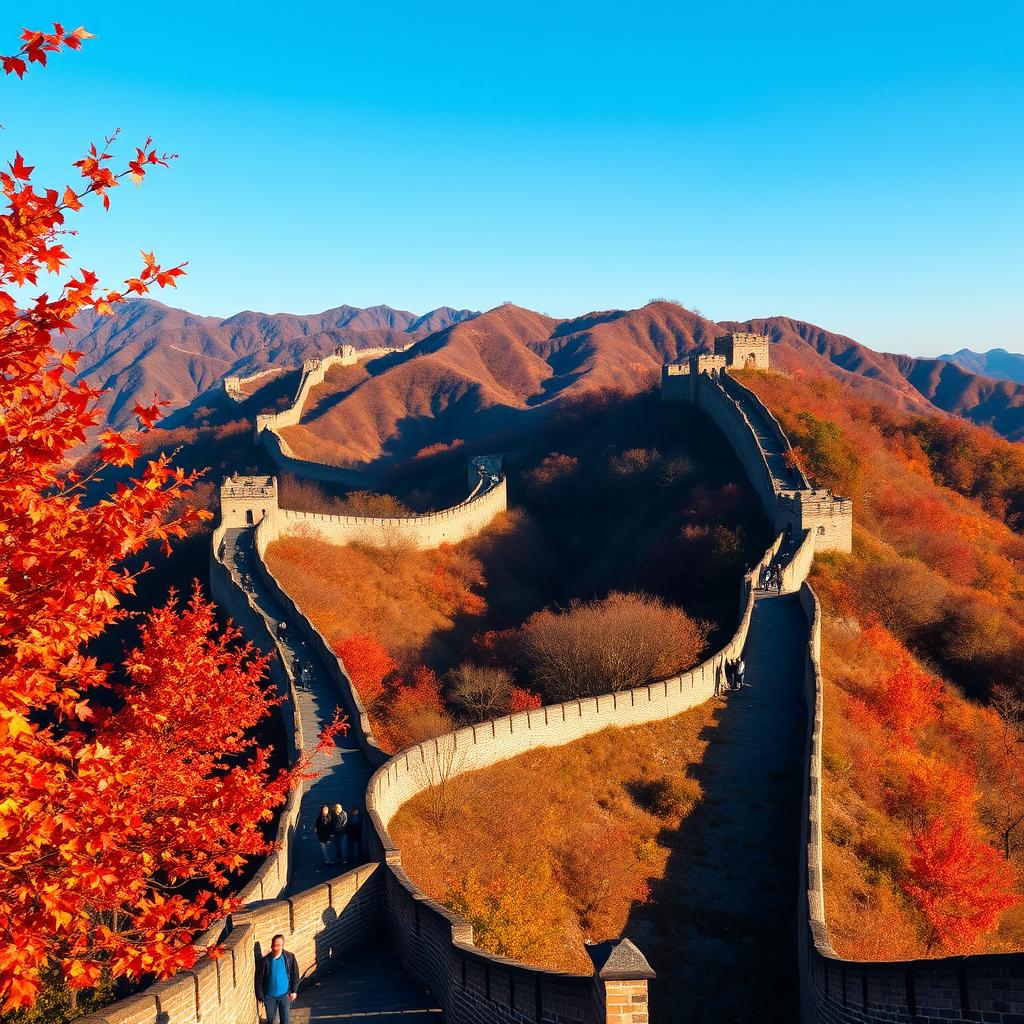
For most travelers, autumn is the best time to visit China. Temperatures are comfortable (15–25°C / 59–77°F), skies are clear, and landscapes are painted with red and gold foliage.
Best Spots in Autumn
Beijing: The clear sky makes the Forbidden City and Great Wall look spectacular. October’s average high is 19°C (66°F).
Guilin and Yangshuo: Best visited from September to November when temperatures are 20–25°C (68–77°F) and rainfall is lowest. The Li River cruise sees over 2 million visitors yearly, with peak in October.
Sichuan and Jiuzhaigou: Autumn is prime time for the colorful lakes and waterfalls. September–November is the recommended window.
Watch Out for Golden Week
China’s National Day holiday (October 1–7), known as Golden Week, sees over 700 million domestic trips. Attractions are packed, flights spike in price, and hotels sell out. If you visit in autumn, avoid the first week of October.
Winter (December–February): Cold but Beautiful
Winter in China is cold but less crowded and cheaper. Northern China sees snow, while southern regions like Hong Kong stay mild (15–20°C / 59–68°F).
Best Spots in Winter
Harbin: The Ice and Snow Sculpture Festival (January–February) draws crowds with enormous ice buildings lit at night. Temperatures drop to -20°C (-4°F), so dress warmly.
Beijing: The Great Wall under snow is a photographer’s dream. January temperatures average -4°C (25°F), but indoor attractions like the National Museum are comfortable.
Yunnan: Kunming, the ‘Spring City’, has mild winters (10–15°C / 50–59°F). Perfect for exploring Lijiang and Shangri-La.
Hainan: Tropical island with beach weather (22–26°C / 72–79°F). Sanya is a great escape from northern cold.
Winter Travel Tips
Chinese New Year (late January or February) is a massive travel period. Plan around it.
Many attractions in Tibet and Xinjiang are closed or inaccessible due to snow.
Budget travelers benefit from lower flight and hotel prices outside of holiday periods.
Regional Differences: Best Times by Destination
Destination
Best Months
Why
Beijing
September–October
Pleasant autumn weather, best for Great Wall.
Shanghai
March–May, September–November
Spring for cherry blossoms, autumn for comfortable sightseeing.
Guilin
September–November
Lowest rainfall, ideal for Li River cruise.
Yunnan
March–April, September–November
Spring for azaleas, autumn for clear skies.
Tibet
June–September
Warmer temperatures, less snow on passes.
Hong Kong
October–November
Autumn is mild, less humid than summer.
Major Festivals and Their Impact on Travel
Chinese New Year (January/February): Massive internal migration. Attractions close for a few days. Avoid traveling during this week unless you want to experience the celebration.
Qingming Festival (April 4–5): Domestic travel spike; tombsweeping traditions.
Dragon Boat Festival (June, variable date): Short holiday; popular for river trips.
Mid-Autumn Festival (September/October, variable): Family reunions; some attractions more crowded.
National Day Golden Week (October 1–7): Avoid! Over 700 million domestic trips overwhelm all sights.
Final Recommendation
If you ask what is the best time to visit China, the answer is autumn (September–November). The weather is mild, crowds are moderate (except Golden Week), and the scenery is at its most photogenic. For budget travelers, spring (March–May) is also excellent. Winter works for snow lovers and those seeking solitude. Summer is hot and crowded but offers unique experiences like the Qinghai Lake bicycle race. Plan around major holidays, and you’ll have a fantastic trip.
Frequently Asked Questions
1. What is the cheapest time to visit China?
Winter (excluding Chinese New Year) and early spring (March) are the cheapest periods. Flights and hotels are significantly lower than in summer or autumn.
2. Is October a good month to visit China?
October offers great weather, but the first week (Golden Week) is extremely crowded. Visit after October 7 for a better experience.
3. What is the rainy season in China?
The monsoon season runs from June to August, with the heaviest rainfall in southern and central China (Shanghai, Hangzhou, Guangzhou). Northern China has less rain but is humid.
4. Can I visit China in July?
Yes, but be prepared for heat (35°C+ in cities) and crowds. Choose high-altitude destinations like Yunnan or Zhangjiajie for milder temperatures.
5. Which Chinese cities are best to visit in winter?
Harbin for the ice festival, Beijing for snow-covered landmarks, and Hainan for tropical beaches. Yunnan is also a good choice for mild weather.
Conclusion
Knowing what is the best time to visit China depends on your priorities: weather, budget, or cultural events. Autumn offers the most balanced experience with crisp air and stunning colors. Spring is a close second. Winter and summer have their own charms but require more planning. Whatever season you choose, China will amaze you with its diversity. Start planning your journey with Sinoway for expert insights!
Mục lục
China receives over 150 million international tourist arrivals annually, yet many travelers ask: what is the best time to visit China? The answer is not one-size-fits-all because China spans multiple climate zones—from subarctic Heilongjiang to tropical Hainan. Whether you’re chasing cherry blossoms in spring, golden rice terraces in autumn, or snowy festivals in winter, timing matters. In this guide, we break down each season, regional variations, and major holidays to help you plan the perfect trip.
Spring (March–May): Blossoms and Mild Weather
Spring is one of the most popular seasons to visit China. Temperatures range from 10°C (50°F) in March to 25°C (77°F) in May, making it comfortable for outdoor activities.
Best Spots in Spring
Beijing: Enjoy the Great Wall without extreme heat or cold. March can still be chilly, but April and May are ideal.
Guilin: The Li River is stunning as rice paddies turn green. The average temperature in Guilin during spring is 15–25°C (59–77°F), though rainfall increases in May.
Luoyang: The city is famous for its peony festival in April, with over 1,000 varieties of peonies in bloom.
Pros and Cons
Pros: Moderate crowds (except during Qingming Festival in early April), beautiful flowers, mild weather.
Cons: Rain increases in May, especially in southern China. Dust storms can occasionally affect northern cities like Beijing.
Summer (June–August): Peak Season and Monsoon Rains
Summer is the peak tourist season, but be prepared for heat and humidity. Temperatures in Beijing average 26°C (79°F) in July, while Shanghai and Hangzhou can hit 35°C (95°F). The monsoon season brings heavy rains from June to August, particularly in central and southern China.
Best Spots in Summer
Shanghai: Despite the humidity, summer offers long daylight hours for exploring the Bund and Disneyland.
Zhangjiajie: The cool mountain air (20–25°C / 68–77°F) makes it a great escape from the heat. The glass bridge is a must-see.
Qinghai and Tibet: Higher altitudes keep temperatures pleasant (15–25°C / 59–77°F). July is ideal for the Everest Base Camp trek.
Travel Tips
Book flights and hotels months in advance because July and August draw 20% of annual tourist arrivals.
Avoid traveling in July–August when domestic tourism peaks due to school holidays.
Stay hydrated and use strong sunscreen.
Autumn (September–November): The Perfect Season
For most travelers, autumn is the best time to visit China. Temperatures are comfortable (15–25°C / 59–77°F), skies are clear, and landscapes are painted with red and gold foliage.
Best Spots in Autumn
Beijing: The clear sky makes the Forbidden City and Great Wall look spectacular. October’s average high is 19°C (66°F).
Guilin and Yangshuo: Best visited from September to November when temperatures are 20–25°C (68–77°F) and rainfall is lowest. The Li River cruise sees over 2 million visitors yearly, with peak in October.
Sichuan and Jiuzhaigou: Autumn is prime time for the colorful lakes and waterfalls. September–November is the recommended window.
Watch Out for Golden Week
China’s National Day holiday (October 1–7), known as Golden Week, sees over 700 million domestic trips. Attractions are packed, flights spike in price, and hotels sell out. If you visit in autumn, avoid the first week of October.
Winter (December–February): Cold but Beautiful
Winter in China is cold but less crowded and cheaper. Northern China sees snow, while southern regions like Hong Kong stay mild (15–20°C / 59–68°F).
Best Spots in Winter
Harbin: The Ice and Snow Sculpture Festival (January–February) draws crowds with enormous ice buildings lit at night. Temperatures drop to -20°C (-4°F), so dress warmly.
Beijing: The Great Wall under snow is a photographer’s dream. January temperatures average -4°C (25°F), but indoor attractions like the National Museum are comfortable.
Yunnan: Kunming, the ‘Spring City’, has mild winters (10–15°C / 50–59°F). Perfect for exploring Lijiang and Shangri-La.
Hainan: Tropical island with beach weather (22–26°C / 72–79°F). Sanya is a great escape from northern cold.
Winter Travel Tips
Chinese New Year (late January or February) is a massive travel period. Plan around it.
Many attractions in Tibet and Xinjiang are closed or inaccessible due to snow.
Budget travelers benefit from lower flight and hotel prices outside of holiday periods.
Regional Differences: Best Times by Destination
Destination
Best Months
Why
Beijing
September–October
Pleasant autumn weather, best for Great Wall.
Shanghai
March–May, September–November
Spring for cherry blossoms, autumn for comfortable sightseeing.
Guilin
September–November
Lowest rainfall, ideal for Li River cruise.
Yunnan
March–April, September–November
Spring for azaleas, autumn for clear skies.
Tibet
June–September
Warmer temperatures, less snow on passes.
Hong Kong
October–November
Autumn is mild, less humid than summer.
Major Festivals and Their Impact on Travel
Chinese New Year (January/February): Massive internal migration. Attractions close for a few days. Avoid traveling during this week unless you want to experience the celebration.
Qingming Festival (April 4–5): Domestic travel spike; tombsweeping traditions.
Dragon Boat Festival (June, variable date): Short holiday; popular for river trips.
Mid-Autumn Festival (September/October, variable): Family reunions; some attractions more crowded.
National Day Golden Week (October 1–7): Avoid! Over 700 million domestic trips overwhelm all sights.
Final Recommendation
If you ask what is the best time to visit China, the answer is autumn (September–November). The weather is mild, crowds are moderate (except Golden Week), and the scenery is at its most photogenic. For budget travelers, spring (March–May) is also excellent. Winter works for snow lovers and those seeking solitude. Summer is hot and crowded but offers unique experiences like the Qinghai Lake bicycle race. Plan around major holidays, and you’ll have a fantastic trip.
Frequently Asked Questions
1. What is the cheapest time to visit China?
Winter (excluding Chinese New Year) and early spring (March) are the cheapest periods. Flights and hotels are significantly lower than in summer or autumn.
2. Is October a good month to visit China?
October offers great weather, but the first week (Golden Week) is extremely crowded. Visit after October 7 for a better experience.
3. What is the rainy season in China?
The monsoon season runs from June to August, with the heaviest rainfall in southern and central China (Shanghai, Hangzhou, Guangzhou). Northern China has less rain but is humid.
4. Can I visit China in July?
Yes, but be prepared for heat (35°C+ in cities) and crowds. Choose high-altitude destinations like Yunnan or Zhangjiajie for milder temperatures.
5. Which Chinese cities are best to visit in winter?
Harbin for the ice festival, Beijing for snow-covered landmarks, and Hainan for tropical beaches. Yunnan is also a good choice for mild weather.
Conclusion
Knowing what is the best time to visit China depends on your priorities: weather, budget, or cultural events. Autumn offers the most balanced experience with crisp air and stunning colors. Spring is a close second. Winter and summer have their own charms but require more planning. Whatever season you choose, China will amaze you with its diversity. Start planning your journey with Sinoway for expert insights!
Inspired by James Cameron's Avatar, Zhangjiajie's towering sandstone pillars are a must-see. This comprehensive guide helps you navigate Tianzi Mountain, Bailong Elevator, Glass Bridge, and more.
Discover how to find a job in China as a foreigner with our complete guide. Learn about Z visas, top industries, salary expectations, and cultural tips for a successful career in China.
After 8 years in China and over 100 high-speed train rides between Shanghai and Beijing, I've learned the hard way what works and what doesn't. From buying
3 thoughts on “What Is the Best Time to Visit China? A Seasonal Guide by Sinoway”
Great overview! What about the weather in Guilin during spring?




Great overview! What about the weather in Guilin during spring?
Thanks for the seasonal breakdown! I’m wondering if spring (April) is good for seeing cherry blossoms in Shanghai?
What about winter travel? Any pros for visiting during Chinese New Year despite the crowds?