Surprising differences in Chinese vs Western food portions: family-style sharing cuts calories, rice and protein sizes vary greatly, and health outcomes reflect these habits. Compare the numbers.
Ready
EN
Mục lục
Quick Facts / Key Takeaways
Table of Contents
Cultural Background: Family-Style Dining vs Individual Plating
How Shared Meals Redefine Portions
The Western Individual Plate: A Different Mindset
Quantitative Comparison: Numbers Behind the Plates
Average Portion Sizes: China vs West
Calorie Density: Why Chinese Food Can Be Lighter
Comparison Table: China vs US Portion Sizes
Health Implications: Calorie Intake and Obesity
Lower Per-Meal Calories in China
Comparing Obesity Rates: China vs US
Economic Factors: Pricing and Perceived Value
Cost per Calorie: Is Chinese Food More Affordable?
Value for Money: Portion Size vs Price
Psychological Impact: Satisfaction and Satiety
Eating Speed and Chopsticks
The Role of Variety in Shared Dining
Regional Variations: North vs South China, US vs Europe
Northern Chinese Hearty Portions
Southern Chinese Light and Fresh
American Super-Sizing vs European Portions
FAQ
Why are Chinese food portions smaller than Western ones?
Is Chinese food healthier because of smaller portions?
How many calories are in a typical Chinese meal vs a Western one?
Do Chinese people eat more rice than Westerners?
Why are Western fast-food portions getting bigger?
Does using chopsticks help with weight control?
Are Chinese food portions in the US larger than in China?
How can I eat Chinese food without overeating?
Conclusion
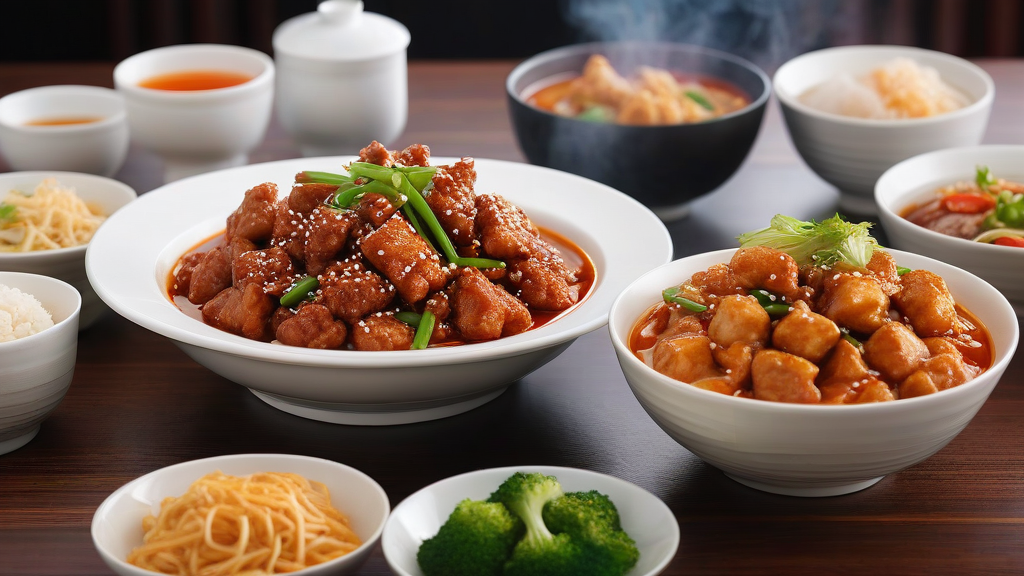
When you order a Chinese dish in the United States, you get a heaping plate of General Tso’s chicken with fried rice. In China, the same dish might be just one of several shared plates, each modestly portioned. This Chinese food vs Western food portion comparison reveals deep cultural and health implications. Here’s what we’ll cover: cultural dining styles, actual portion sizes by the numbers, health impacts, economic considerations, psychological satiety, and regional variations.
Quick Facts / Key Takeaways
Chinese meals are typically served family-style, with shared dishes, while Western meals emphasize individual portions.
A typical Chinese restaurant entrée in the US averages 1,500 calories, but is shared among 2-3 people, reducing per-person intake to 500–750 calories.
In China, the average rice portion is 150–200 grams per person, compared to 250–300 grams in American restaurants.
Chinese diners consume about 30% fewer calories per meal on average than American diners, partly due to smaller portions and higher vegetable content.
Western fast-food portions have increased 2–5 times over the past 50 years, while traditional Chinese portions remain relatively stable.
Table of Contents
Cultural Background: Family-Style Dining vs Individual Plating
Quantitative Comparison: Numbers Behind the Plates
Health Implications: Calorie Intake and Obesity
Economic Factors: Pricing and Perceived Value
Psychological Impact: Satisfaction and Satiety
Regional Variations: North vs South China, US vs Europe
FAQ
Conclusion
Cultural Background: Family-Style Dining vs Individual Plating
How Shared Meals Redefine Portions
In China, dining is a communal affair. Dishes are placed in the center of the table, and each person uses chopsticks to take small amounts from shared plates. This family-style approach naturally limits individual consumption because diners must consciously serve themselves and often engage in conversation, slowing down the meal. A study found that Chinese consumers eat about 20% less when dining in a group compared to alone (source: Appetite journal).
The Western Individual Plate: A Different Mindset
Western dining, especially in the US, often involves individual plating. Each person receives a complete entrée with predetermined portions of protein, starch, and vegetables. This setup encourages eating everything on the plate, regardless of hunger cues. Portion distortion is widespread: a typical American restaurant entrée in 2024 is 2–3 times larger than the same dish in the 1950s (Harvard Nutrition Source).
Quantitative Comparison: Numbers Behind the Plates
Average Portion Sizes: China vs West
Let’s break down the numbers. In Chinese home cooking, a standard serving of white rice is about 150–200 grams (cooked), while in US restaurants, a side of rice often weighs 250–300 grams. Protein portions also differ: a Chinese stir-fry typically contains 50–75 grams of meat per person, whereas an American steak dinner may feature 150–300 grams. Vegetables are abundant in Chinese cuisine: a typical meal includes 200–300 grams of stir-fried greens, compared to 100–150 grams in a Western meal.
Calorie Density: Why Chinese Food Can Be Lighter
Chinese cooking techniques like steaming, stir-frying, and boiling often use less oil than Western frying and roasting. The energy density (calories per gram) of a Chinese stir-fry is around 1.0–1.5 kcal/g, while a Western pasta dish or burger meal can exceed 2.5 kcal/g. A study published in Public Health Nutrition found that Chinese diners consume about 30% fewer calories per meal—a difference of roughly 200–300 calories.
Comparison Table: China vs US Portion Sizes
Item
China (per person)
US (per person)
Difference
Rice
150–200 g
250–300 g
US 50% larger
Meat/Protein
50–75 g
150–300 g
US 2–4x larger
Vegetables
200–300 g
100–150 g
China 2x larger
Total calories (typical meal)
600–800 kcal
1,200–1,500 kcal
US ~2x higher
Health Implications: Calorie Intake and Obesity
Lower Per-Meal Calories in China
With smaller portions and lower energy density, Chinese meals generally contribute fewer calories. The typical Chinese lunch in Shanghai might cost around 25 RMB ($3.50 USD) and contain 600–700 calories. In contrast, a US fast-food combo like a burger, fries, and soda can be $8–12 and exceed 1,500 calories. Over time, these daily differences add up.
Comparing Obesity Rates: China vs US
Obesity is far less prevalent in China. As of 2024, the adult obesity rate in China is about 6.2%, compared to 36.2% in the United States (source: WHO China, CDC). While genetics and lifestyle play roles, portion size is a key factor. A study in PLOS ONE noted that US portions have grown 2–5 times over 50 years, whereas Chinese portions have remained relatively stable.
Economic Factors: Pricing and Perceived Value
Cost per Calorie: Is Chinese Food More Affordable?
In China, a filling meal at a casual restaurant costs around 30–50 RMB ($4.20–$7 USD) per person. In the US, a similar meal might be $10–15. However, Chinese diners often perceive value differently: they prioritize variety and freshness over volume. A shared hot pot dinner for four in Beijing could cost 200–300 RMB ($28–$42 USD) total, with over ten dishes—less than what two Americans might spend on a steakhouse dinner.
Value for Money: Portion Size vs Price
Western restaurants often compete on portion size, leading to the “value meal” phenomenon. In China, customers expect smaller, refined dishes that offer a range of flavors. A typical dim sum feast includes 8–12 small plates, each around 30–50 grams. The total price might be 100–150 RMB ($14–$21 USD) per person. In the US, a similar tapas-style meal could cost $25–35 per person, but diners may feel less satisfied due to smaller individual portions.
Psychological Impact: Satisfaction and Satiety
Eating Speed and Chopsticks
Using chopsticks naturally slows down eating. A study in the American Journal of Clinical Nutrition showed that eating with chopsticks reduces bite size and increases chewing time. This leads to higher satiety with fewer calories. Conversely, Western fork-and-spoon eating, combined with distractions like TV, can lead to overeating.
The Role of Variety in Shared Dining
Chinese meals offer multiple small dishes (e.g., four dishes and a soup for three people). This sensory variety—different colors, textures, flavors—promotes earlier satiety. The Japanese concept of hara hachi bu (eat until 80% full) is echoed in Chinese dining culture. In contrast, a Western single-dish meal with monotonous texture can lead to mindless eating.
Regional Variations: North vs South China, US vs Europe
Northern Chinese Hearty Portions
Northern China, with its colder climate, favors wheat-based foods like noodles and dumplings. A plate of zhajiangmian might be 400–500 grams—larger than southern rice portions. Still, these meals are often eaten alongside shared dishes, keeping total intake moderate.
Southern Chinese Light and Fresh
Southern Chinese cuisine emphasizes steaming and stir-frying with lots of vegetables. A Cantonese meal includes a small bowl of rice (150g) and several shared dishes. Dim sum portions are tiny—one or two pieces per basket—but diners feel full after 6–8 baskets due to the variety.
American Super-Sizing vs European Portions
Europeans, especially in France and Italy, tend to eat smaller portions than Americans. A French meal might be 700–900 calories, similar to a Chinese meal. However, European portions are still larger than average Chinese portions. The US leads in portion distortion, with fast-food combos often exceeding 1,500 calories.
FAQ
Why are Chinese food portions smaller than Western ones?
Chinese dining is traditionally family-style, where multiple dishes are shared. This encourages eating smaller amounts of each dish, while Western individual plating promotes consuming a full, larger portion.
Is Chinese food healthier because of smaller portions?
Generally yes, but it depends on cooking methods. Chinese stir-fries and steamed dishes often have lower calorie density. However, deep-fried Western-style Chinese food can be high in calories.
How many calories are in a typical Chinese meal vs a Western one?
A typical Chinese meal in China contains about 600–800 calories per person, while a typical American meal averages 1,200–1,500 calories (source: PubMed study).
Do Chinese people eat more rice than Westerners?
Chinese eat smaller rice portions (150–200g) than Americans (250–300g) in restaurants, but they may eat rice at multiple meals per day.
Why are Western fast-food portions getting bigger?
Portion distortion began in the 1970s when fast-food chains started offering larger sizes as a marketing tool. This led to increased calorie intake and obesity (source: Harvard Nutrition Source).
Does using chopsticks help with weight control?
Yes. Using chopsticks slows eating speed, giving your brain time to register fullness. Studies show people eat fewer calories when using chopsticks versus a fork.
Are Chinese food portions in the US larger than in China?
Yes. American-Chinese restaurants often super-size portions to compete with local chains. A single entrée can contain 1,500 calories, but it is often shared, reducing per-person intake.
How can I eat Chinese food without overeating?
Order family-style with multiple dishes, use chopsticks, eat slowly, and stop when 80% full. Opt for steamed or stir-fried dishes over deep-fried ones.
Conclusion
This Chinese food vs Western food portion comparison highlights that bigger isn’t always better. Chinese dining strategies—shared plates, smaller protein portions, abundant vegetables—naturally limit calories without sacrificing satisfaction. Western eaters can adopt these principles: order family-style, use smaller plates, and prioritize vegetable-based dishes. For those curious about Chinese food culture, explore our Chinese tea culture article and the Best Places to Visit China guide to see how culinary traditions shape daily life.
Mục lục
When you order a Chinese dish in the United States, you get a heaping plate of General Tso’s chicken with fried rice. In China, the same dish might be just one of several shared plates, each modestly portioned. This Chinese food vs Western food portion comparison reveals deep cultural and health implications. Here’s what we’ll cover: cultural dining styles, actual portion sizes by the numbers, health impacts, economic considerations, psychological satiety, and regional variations.
Quick Facts / Key Takeaways
Chinese meals are typically served family-style, with shared dishes, while Western meals emphasize individual portions.
A typical Chinese restaurant entrée in the US averages 1,500 calories, but is shared among 2-3 people, reducing per-person intake to 500–750 calories.
In China, the average rice portion is 150–200 grams per person, compared to 250–300 grams in American restaurants.
Chinese diners consume about 30% fewer calories per meal on average than American diners, partly due to smaller portions and higher vegetable content.
Western fast-food portions have increased 2–5 times over the past 50 years, while traditional Chinese portions remain relatively stable.
Cultural Background: Family-Style Dining vs Individual Plating
How Shared Meals Redefine Portions
In China, dining is a communal affair. Dishes are placed in the center of the table, and each person uses chopsticks to take small amounts from shared plates. This family-style approach naturally limits individual consumption because diners must consciously serve themselves and often engage in conversation, slowing down the meal. A study found that Chinese consumers eat about 20% less when dining in a group compared to alone (source: Appetite journal).
The Western Individual Plate: A Different Mindset
Western dining, especially in the US, often involves individual plating. Each person receives a complete entrée with predetermined portions of protein, starch, and vegetables. This setup encourages eating everything on the plate, regardless of hunger cues. Portion distortion is widespread: a typical American restaurant entrée in 2024 is 2–3 times larger than the same dish in the 1950s (Harvard Nutrition Source).
Quantitative Comparison: Numbers Behind the Plates
Average Portion Sizes: China vs West
Let’s break down the numbers. In Chinese home cooking, a standard serving of white rice is about 150–200 grams (cooked), while in US restaurants, a side of rice often weighs 250–300 grams. Protein portions also differ: a Chinese stir-fry typically contains 50–75 grams of meat per person, whereas an American steak dinner may feature 150–300 grams. Vegetables are abundant in Chinese cuisine: a typical meal includes 200–300 grams of stir-fried greens, compared to 100–150 grams in a Western meal.
Calorie Density: Why Chinese Food Can Be Lighter
Chinese cooking techniques like steaming, stir-frying, and boiling often use less oil than Western frying and roasting. The energy density (calories per gram) of a Chinese stir-fry is around 1.0–1.5 kcal/g, while a Western pasta dish or burger meal can exceed 2.5 kcal/g. A study published in Public Health Nutrition found that Chinese diners consume about 30% fewer calories per meal—a difference of roughly 200–300 calories.
Comparison Table: China vs US Portion Sizes
Item
China (per person)
US (per person)
Difference
Rice
150–200 g
250–300 g
US 50% larger
Meat/Protein
50–75 g
150–300 g
US 2–4x larger
Vegetables
200–300 g
100–150 g
China 2x larger
Total calories (typical meal)
600–800 kcal
1,200–1,500 kcal
US ~2x higher
Health Implications: Calorie Intake and Obesity
Lower Per-Meal Calories in China
With smaller portions and lower energy density, Chinese meals generally contribute fewer calories. The typical Chinese lunch in Shanghai might cost around 25 RMB ($3.50 USD) and contain 600–700 calories. In contrast, a US fast-food combo like a burger, fries, and soda can be $8–12 and exceed 1,500 calories. Over time, these daily differences add up.
Comparing Obesity Rates: China vs US
Obesity is far less prevalent in China. As of 2024, the adult obesity rate in China is about 6.2%, compared to 36.2% in the United States (source: WHO China, CDC). While genetics and lifestyle play roles, portion size is a key factor. A study in PLOS ONE noted that US portions have grown 2–5 times over 50 years, whereas Chinese portions have remained relatively stable.
Economic Factors: Pricing and Perceived Value
Cost per Calorie: Is Chinese Food More Affordable?
In China, a filling meal at a casual restaurant costs around 30–50 RMB ($4.20–$7 USD) per person. In the US, a similar meal might be $10–15. However, Chinese diners often perceive value differently: they prioritize variety and freshness over volume. A shared hot pot dinner for four in Beijing could cost 200–300 RMB ($28–$42 USD) total, with over ten dishes—less than what two Americans might spend on a steakhouse dinner.
Value for Money: Portion Size vs Price
Western restaurants often compete on portion size, leading to the “value meal” phenomenon. In China, customers expect smaller, refined dishes that offer a range of flavors. A typical dim sum feast includes 8–12 small plates, each around 30–50 grams. The total price might be 100–150 RMB ($14–$21 USD) per person. In the US, a similar tapas-style meal could cost $25–35 per person, but diners may feel less satisfied due to smaller individual portions.
Psychological Impact: Satisfaction and Satiety
Eating Speed and Chopsticks
Using chopsticks naturally slows down eating. A study in the American Journal of Clinical Nutrition showed that eating with chopsticks reduces bite size and increases chewing time. This leads to higher satiety with fewer calories. Conversely, Western fork-and-spoon eating, combined with distractions like TV, can lead to overeating.
The Role of Variety in Shared Dining
Chinese meals offer multiple small dishes (e.g., four dishes and a soup for three people). This sensory variety—different colors, textures, flavors—promotes earlier satiety. The Japanese concept of hara hachi bu (eat until 80% full) is echoed in Chinese dining culture. In contrast, a Western single-dish meal with monotonous texture can lead to mindless eating.
Regional Variations: North vs South China, US vs Europe
Northern Chinese Hearty Portions
Northern China, with its colder climate, favors wheat-based foods like noodles and dumplings. A plate of zhajiangmian might be 400–500 grams—larger than southern rice portions. Still, these meals are often eaten alongside shared dishes, keeping total intake moderate.
Southern Chinese Light and Fresh
Southern Chinese cuisine emphasizes steaming and stir-frying with lots of vegetables. A Cantonese meal includes a small bowl of rice (150g) and several shared dishes. Dim sum portions are tiny—one or two pieces per basket—but diners feel full after 6–8 baskets due to the variety.
American Super-Sizing vs European Portions
Europeans, especially in France and Italy, tend to eat smaller portions than Americans. A French meal might be 700–900 calories, similar to a Chinese meal. However, European portions are still larger than average Chinese portions. The US leads in portion distortion, with fast-food combos often exceeding 1,500 calories.
FAQ
Why are Chinese food portions smaller than Western ones?
Chinese dining is traditionally family-style, where multiple dishes are shared. This encourages eating smaller amounts of each dish, while Western individual plating promotes consuming a full, larger portion.
Is Chinese food healthier because of smaller portions?
Generally yes, but it depends on cooking methods. Chinese stir-fries and steamed dishes often have lower calorie density. However, deep-fried Western-style Chinese food can be high in calories.
How many calories are in a typical Chinese meal vs a Western one?
A typical Chinese meal in China contains about 600–800 calories per person, while a typical American meal averages 1,200–1,500 calories (source: PubMed study).
Do Chinese people eat more rice than Westerners?
Chinese eat smaller rice portions (150–200g) than Americans (250–300g) in restaurants, but they may eat rice at multiple meals per day.
Why are Western fast-food portions getting bigger?
Portion distortion began in the 1970s when fast-food chains started offering larger sizes as a marketing tool. This led to increased calorie intake and obesity (source: Harvard Nutrition Source).
Does using chopsticks help with weight control?
Yes. Using chopsticks slows eating speed, giving your brain time to register fullness. Studies show people eat fewer calories when using chopsticks versus a fork.
Are Chinese food portions in the US larger than in China?
Yes. American-Chinese restaurants often super-size portions to compete with local chains. A single entrée can contain 1,500 calories, but it is often shared, reducing per-person intake.
How can I eat Chinese food without overeating?
Order family-style with multiple dishes, use chopsticks, eat slowly, and stop when 80% full. Opt for steamed or stir-fried dishes over deep-fried ones.
Conclusion
This Chinese food vs Western food portion comparison highlights that bigger isn’t always better. Chinese dining strategies—shared plates, smaller protein portions, abundant vegetables—naturally limit calories without sacrificing satisfaction. Western eaters can adopt these principles: order family-style, use smaller plates, and prioritize vegetable-based dishes. For those curious about Chinese food culture, explore our Chinese tea culture article and the Best Places to Visit China guide to see how culinary traditions shape daily life.
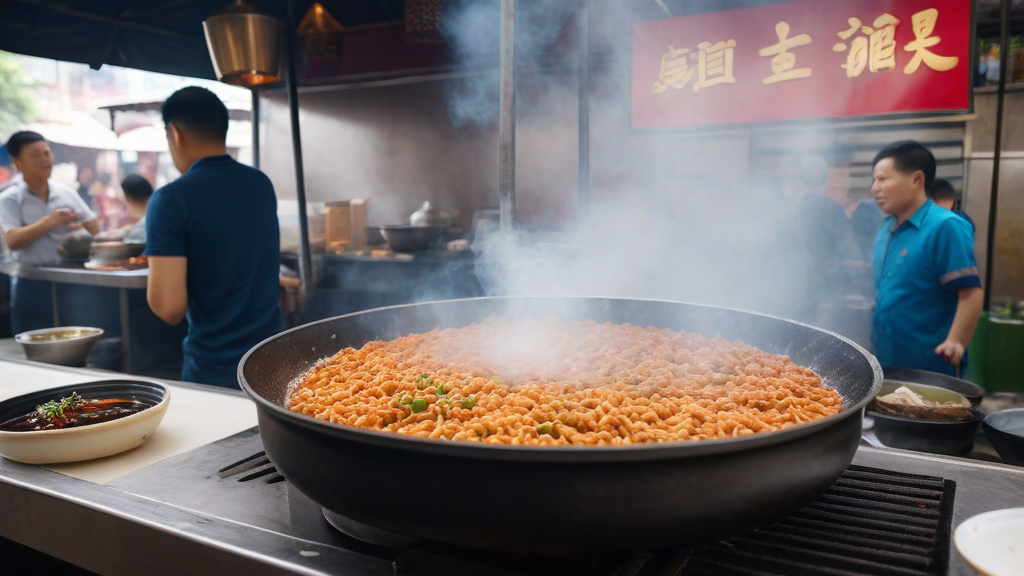
Wondering about Chinese street food safety? Discover how strict regulations, high turnover, and local initiatives make street food safer than ever—plus tips for worry-free eating.
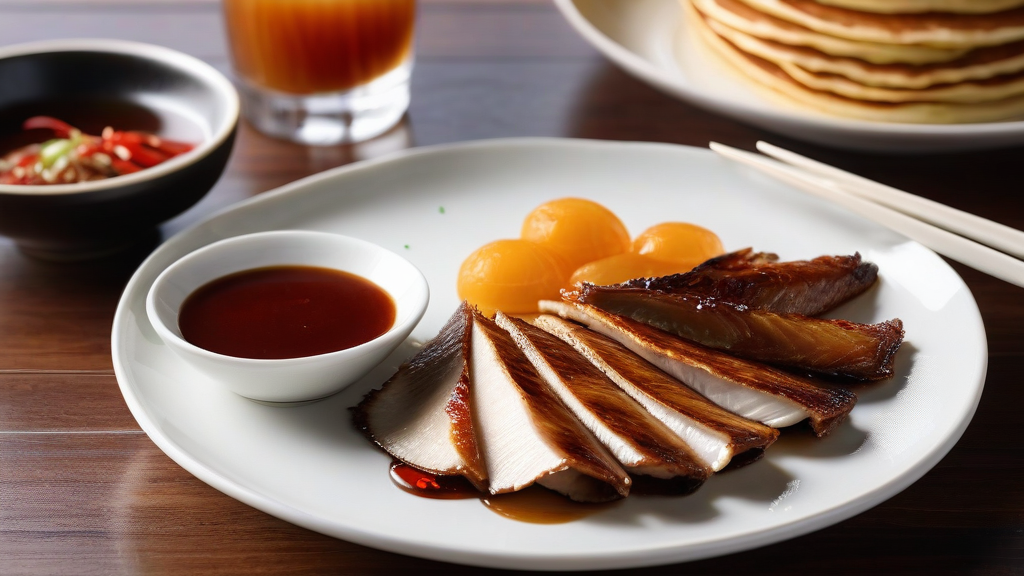
I've lived in China for 8 years and eaten roast duck more times than I can count. Here's everything I know — the best restaurants, what to order, how to
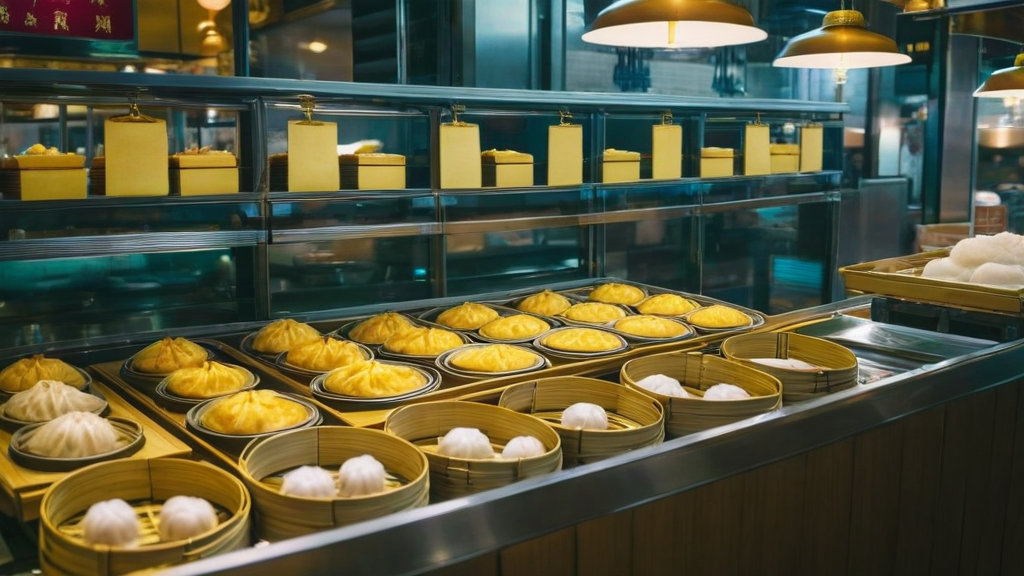
Forget the tourist traps. I've spent eight years tracking down every bamboo steamer in Hong Kong — from Michelin-starred temples to sweaty back-alley joints where the old ladies still roll the shrimp dumplings by hand.…
2 thoughts on “Chinese Food vs Western Food: Portion Comparison Reveals Surprising Differences”
I always overorder when eating Chinese because the portions look small but are actually filling. Anyone else struggle with this?
I always overorder when eating Chinese because the portions look small but are actually filling. Anyone else struggle with this?
I find Chinese family-style dining way more social than Western individual plates. Do locals ever feel it’s awkward sharing?