I’ll never forget my first real Sichuan hotpot. I walked into a tiny joint in Chengdu, the air so thick with chili fumes my eyes started watering before I even sat down. Eight years later, I can tell you exactly what to order, how to build your dipping sauce, and why you shouldn’t trust the waiter w
Ready
EN
I Survived My First Sichuan Hotpot — Barely
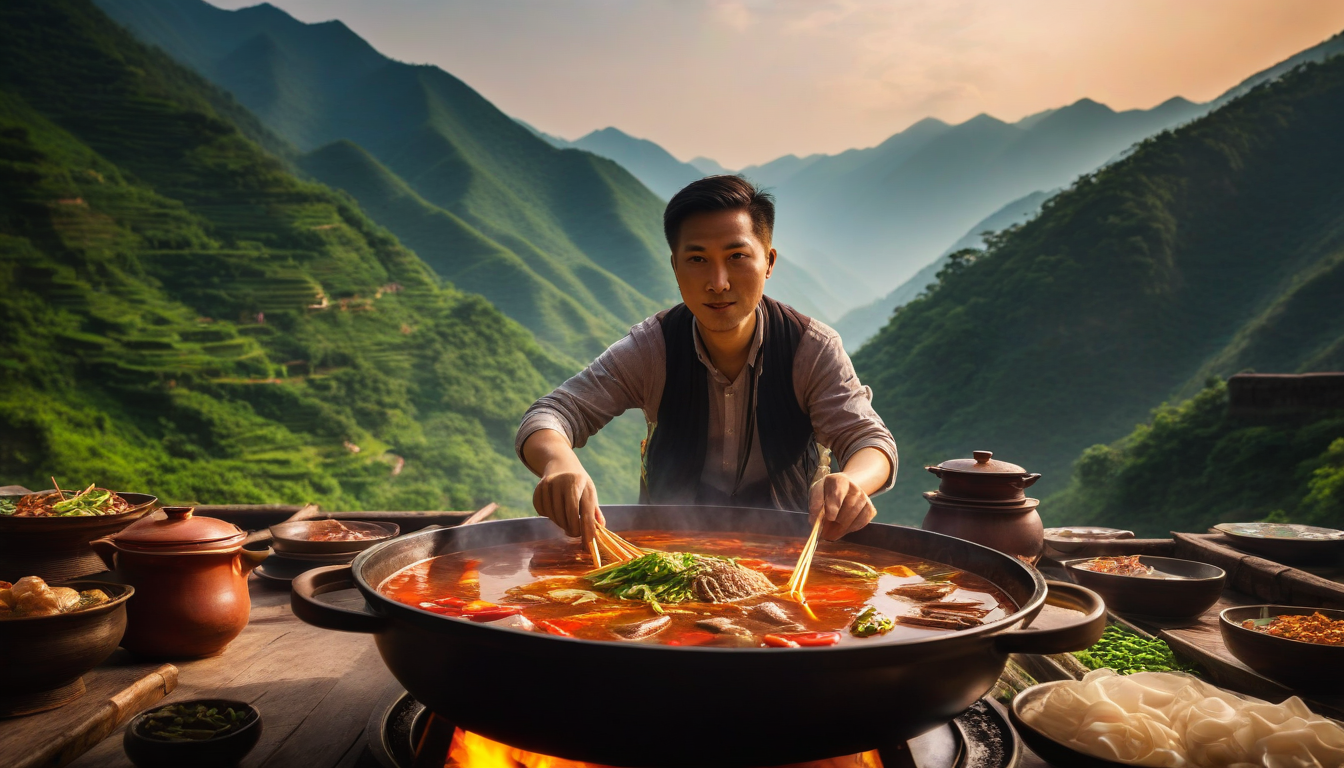
I’ll be honest: that first pot of bubbling red oil looked like a crime scene. The waiter set it down with a wink, and within minutes I was sweating through my shirt, nose running, chopsticks trembling. But I kept going. There’s something about that numbing tingle (málà, 麻辣) that hooks you. It hurts good.
Now I’ve eaten hotpot in Chengdu, Chongqing, Beijing, even a terrible version in London that made me sad. Sichuan hotpot is not just food — it’s a social ritual, a test of endurance, and probably the best thing you’ll eat in China. Here’s how to do it right.
The Broth: The Heart of the Beast
Most hotpot places offer two broths: a fiery red one (hóngtāng, 红汤) and a mild clear one (qīngtāng, 清汤). The typical move is a yuānyāng (鸳鸯) pot — a yin-yang split so you can dip into both. Smart.
The red broth is where the magic happens. It’s not just chili — it’s a complex mix of Sichuan peppercorns (huājiāo, 花椒), dried chilies, star anise, fermented broad bean paste (dòubànjiàng, 豆瓣酱), and god knows what else. Every restaurant guards its secret recipe.
Quick tip: If you’re new to spice, ask for wēilà (微辣, mild spicy). Even that can be punishing. In Chongqing, there’s no such thing as mild — they’ll laugh at you. But in Chengdu, they’re a bit kinder.
What to Dip: The Essential Lineup
You don’t just throw random stuff in. There’s a logic. Here’s what locals actually order:
Beef tripe (niúbǎi yè, 牛百叶) — the iconic ingredient. Cook 10–15 seconds, dip, chew. It’s crunchy, not chewy. Don’t overcook it or you’ll be gnawing on rubber.
Beef slices (shuān niúròu, 涮牛肉) — thin, fatty cuts. Swish 10 seconds until they turn grey-brown.
Pork belly (zhū ròu, 猪肉) — fatty, melts in your mouth.
Lotus root (lián’ǒu, 莲藕) — stays crunchy. Perfect for cooling your mouth between spicy bites.
Tofu skin (dòupí, 豆皮) — soaks up broth like a sponge. Highly dangerous but delicious.
Chinese cabbage (dà bái cài, 大白菜) — light and refreshing.
Fish tofu (yú dòufu, 鱼豆腐) — little fish-flavored tofu cubes. Don’t knock ’em.
Avoid ordering too many vegetables at first — they cool down the broth temperature and make it harder to cook meat properly.
The Dipping Sauce: This Is Not Optional
Sichuan hotpot dipping sauce (zhīma jiàng, 芝麻酱) used to be a thing, but the modern style is simpler: a bowl of sesame oil (xiāngyóu, 香油), minced garlic, chopped cilantro, and maybe a splash of vinegar or soy sauce. That’s it. No hoisin sauce, no peanut butter. Trust me.
The sesame oil coats your mouth and reduces the burn. It’s a lifesaver. I’ve seen tourists load up on 15 different sauces from the condiment bar, and they end up with a muddy mess. Keep it simple: oil + garlic + cilantro. Add a pinch of salt if you want.
How to Eat: The Unwritten Rules
Let the broth boil hard before you start. Throw in the tripe first — it takes longer.
Never put raw meat into your mouth directly. It’s cooked in the pot, but your chopsticks touched raw stuff? Use the serving chopsticks (gōngkuài, 公筷) or use your personal chopsticks only for cooked food after dipping.
Don’t eat everything at once. Hotpot is a slow meal. Chat, drink beer or bāijiu (白酒, Chinese grain liquor), and take breaks.
The person who pays usually starts the meal. Wait for the host to signal.
If the broth level drops, call the waiter for more. They’ll refill with hot broth or tea.
Burping is fine. Slurping is fine. Licking the bowl is weird.
The Price: Cheap Enough to Become a Habit
A decent Sichuan hotpot meal for two people in a mid-range restaurant costs around 180–300 RMB (about £20–35). In a touristy spot like Jinli Ancient Street in Chengdu, it’ll be higher. In a local joint off the main road, you’ll spend maybe 80 RMB per person.
Compare that to a hotpot chain like Haidilao (海底捞), which is more expensive (300–500 RMB for two) but offers free snacks, nail polish service, and a goddamn magic show. Yes, really.
RestaurantPrice per person (RMB)Spice levelVibeBest forLocal street joint60–1009/10Chaotic, loudAuthentic experience, cheapXiao Long Kan (小龙坎)120–1808/10Trendy, crowdedGreat balance of quality & priceHaidilao (海底捞)150–2506/10Flashy, service-orientedFirst-timers, families, late-nightChongqing specialty (e.g., Yukui Laohuoguo)80–12010/10No-nonsense, oilySpice veterans only
The Hangover: The Day After
Prepare yourself. The next morning, your stomach will rumble, you might have a mild burning sensation in your… let’s say lower exit. This is normal. Drink plenty of water, eat something bland (congee, bread), and you’ll be fine. The scariest part is the first toilet visit — don’t check, just flush.
The Regional Twist: Chengdu vs. Chongqing
People argue endlessly about which city does hotpot better. Chengdu uses more ingredients and the broth is slightly gentler (still spicy, but more aromatic). Chongqing uses only the red broth, no yin-yang option, and the oil is thicker, more buttery — they use beef tallow (niúyóu, 牛油). The Chongqing style hits harder and sticks to your ribs. I prefer Chongqing, but I’ve had good and bad in both.
A Few More Beloved Ingredients You Might Miss
Duck blood (yā xuè, 鸭血) — looks like dark red jelly. Many foreigners freak out, but it’s super silky and flavorful. Try it.
Pig’s brain (nǎo huā, 脑花) — not for everyone. It’s creamy, almost like cheese. Cook for 10+ minutes. I like it but even some Chinese friends won’t touch it.
Green peppercorns (téng jiāo, 藤椒) — less common in hotpot, but some places offer a green peppercorn broth that’s even more numbing than the red. Try if you want to cry.
The Golden Rule: Go with People Who Know
Honestly, the best hotpot experience I’ve ever had was with a Chengdu local who ordered everything, showed me how long to cook each item, and laughed at my red face. You don’t need a guidebook — you need a Chinese friend who’s been doing this since childhood.
If you don’t have one, just go to a busy hotpot place around 7pm, sit at the counter, and watch what the person next to you does. Copy them. Eventually someone will talk to you. Chinese people love teaching foreigners how to eat hotpot.
FAQ: Real Questions Tourists Ask
Q: Is Sichuan hotpot really that spicy?
A: Yes. The first time, your body will react like you just ate a handful of habaneros. But after three bites, the endorphins kick in, and it becomes addictive. The numbing (má) part is unique — it’s not just heat, it’s a physical tingling sensation. You’ll either love it or hate it. Most people love it after the second try.
Q: Can I get it without spice?
A: You can ask for a clear broth (qīngtāng) for the whole pot, but then you’re missing the point. Better to get the yuanyang pot and alternate bites. Some restaurants offer a “tomato broth” (fānqié guōdǐ, 番茄锅底) that’s mild and tangy — good for beginners.
Q: What drink should I order with hotpot?
A: Cold beer (Qingdao or Snow) is the classic. Some locals drink soybean milk (dòunǎi, 豆奶) to soothe the stomach. Avoid soda — the carbonation makes the burn worse. And avoid cold water straight from the fridge — Chinese tradition says it shocks your stomach when you’re eating hot food. Room-temperature water or tea is better.
Q: Is it a social thing or can I eat alone?
A: You can eat alone at places like Haidilao — they’ll even put a stuffed bear opposite you so you don’t feel lonely. But hotpot is really designed for groups. The more people, the more ingredients you can try. I usually go with 4–6 people.
Q: Will I get sick?
A: Mostly no, especially if you choose a clean restaurant. The boiling broth kills bacteria. The biggest risk is eating too much oil and spice if your stomach isn’t used to it. Start slow, and don’t drink ice water.
The Closing Spoon
Sichuan hotpot is more than a meal — it’s a communal experience that bonds people over fire, sweat, and flavor. Every time I have a bad day, I find a hotpot place and reset my mood. The ritual of dipping, eating, laughing, and sweating is somehow therapeutic.
If you visit China and skip hotpot, you’re missing the country’s greatest culinary invention since baozi. Just don’t wear your favorite white shirt. You’ve been warned.
I Survived My First Sichuan Hotpot — Barely
I’ll be honest: that first pot of bubbling red oil looked like a crime scene. The waiter set it down with a wink, and within minutes I was sweating through my shirt, nose running, chopsticks trembling. But I kept going. There’s something about that numbing tingle (málà, 麻辣) that hooks you. It hurts good.
Now I’ve eaten hotpot in Chengdu, Chongqing, Beijing, even a terrible version in London that made me sad. Sichuan hotpot is not just food — it’s a social ritual, a test of endurance, and probably the best thing you’ll eat in China. Here’s how to do it right.
The Broth: The Heart of the Beast
Most hotpot places offer two broths: a fiery red one (hóngtāng, 红汤) and a mild clear one (qīngtāng, 清汤). The typical move is a yuānyāng (鸳鸯) pot — a yin-yang split so you can dip into both. Smart.
The red broth is where the magic happens. It’s not just chili — it’s a complex mix of Sichuan peppercorns (huājiāo, 花椒), dried chilies, star anise, fermented broad bean paste (dòubànjiàng, 豆瓣酱), and god knows what else. Every restaurant guards its secret recipe.
Quick tip: If you’re new to spice, ask for wēilà (微辣, mild spicy). Even that can be punishing. In Chongqing, there’s no such thing as mild — they’ll laugh at you. But in Chengdu, they’re a bit kinder.
What to Dip: The Essential Lineup
You don’t just throw random stuff in. There’s a logic. Here’s what locals actually order:
Beef tripe (niúbǎi yè, 牛百叶) — the iconic ingredient. Cook 10–15 seconds, dip, chew. It’s crunchy, not chewy. Don’t overcook it or you’ll be gnawing on rubber.
Beef slices (shuān niúròu, 涮牛肉) — thin, fatty cuts. Swish 10 seconds until they turn grey-brown.
Pork belly (zhū ròu, 猪肉) — fatty, melts in your mouth.
Lotus root (lián’ǒu, 莲藕) — stays crunchy. Perfect for cooling your mouth between spicy bites.
Tofu skin (dòupí, 豆皮) — soaks up broth like a sponge. Highly dangerous but delicious.
Chinese cabbage (dà bái cài, 大白菜) — light and refreshing.
Fish tofu (yú dòufu, 鱼豆腐) — little fish-flavored tofu cubes. Don’t knock ’em.
Avoid ordering too many vegetables at first — they cool down the broth temperature and make it harder to cook meat properly.
The Dipping Sauce: This Is Not Optional
Sichuan hotpot dipping sauce (zhīma jiàng, 芝麻酱) used to be a thing, but the modern style is simpler: a bowl of sesame oil (xiāngyóu, 香油), minced garlic, chopped cilantro, and maybe a splash of vinegar or soy sauce. That’s it. No hoisin sauce, no peanut butter. Trust me.
The sesame oil coats your mouth and reduces the burn. It’s a lifesaver. I’ve seen tourists load up on 15 different sauces from the condiment bar, and they end up with a muddy mess. Keep it simple: oil + garlic + cilantro. Add a pinch of salt if you want.
How to Eat: The Unwritten Rules
Let the broth boil hard before you start. Throw in the tripe first — it takes longer.
Never put raw meat into your mouth directly. It’s cooked in the pot, but your chopsticks touched raw stuff? Use the serving chopsticks (gōngkuài, 公筷) or use your personal chopsticks only for cooked food after dipping.
Don’t eat everything at once. Hotpot is a slow meal. Chat, drink beer or bāijiu (白酒, Chinese grain liquor), and take breaks.
The person who pays usually starts the meal. Wait for the host to signal.
If the broth level drops, call the waiter for more. They’ll refill with hot broth or tea.
Burping is fine. Slurping is fine. Licking the bowl is weird.
The Price: Cheap Enough to Become a Habit
A decent Sichuan hotpot meal for two people in a mid-range restaurant costs around 180–300 RMB (about £20–35). In a touristy spot like Jinli Ancient Street in Chengdu, it’ll be higher. In a local joint off the main road, you’ll spend maybe 80 RMB per person.
Compare that to a hotpot chain like Haidilao (海底捞), which is more expensive (300–500 RMB for two) but offers free snacks, nail polish service, and a goddamn magic show. Yes, really.
RestaurantPrice per person (RMB)Spice levelVibeBest forLocal street joint60–1009/10Chaotic, loudAuthentic experience, cheapXiao Long Kan (小龙坎)120–1808/10Trendy, crowdedGreat balance of quality & priceHaidilao (海底捞)150–2506/10Flashy, service-orientedFirst-timers, families, late-nightChongqing specialty (e.g., Yukui Laohuoguo)80–12010/10No-nonsense, oilySpice veterans only
The Hangover: The Day After
Prepare yourself. The next morning, your stomach will rumble, you might have a mild burning sensation in your… let’s say lower exit. This is normal. Drink plenty of water, eat something bland (congee, bread), and you’ll be fine. The scariest part is the first toilet visit — don’t check, just flush.
The Regional Twist: Chengdu vs. Chongqing
People argue endlessly about which city does hotpot better. Chengdu uses more ingredients and the broth is slightly gentler (still spicy, but more aromatic). Chongqing uses only the red broth, no yin-yang option, and the oil is thicker, more buttery — they use beef tallow (niúyóu, 牛油). The Chongqing style hits harder and sticks to your ribs. I prefer Chongqing, but I’ve had good and bad in both.
A Few More Beloved Ingredients You Might Miss
Duck blood (yā xuè, 鸭血) — looks like dark red jelly. Many foreigners freak out, but it’s super silky and flavorful. Try it.
Pig’s brain (nǎo huā, 脑花) — not for everyone. It’s creamy, almost like cheese. Cook for 10+ minutes. I like it but even some Chinese friends won’t touch it.
Green peppercorns (téng jiāo, 藤椒) — less common in hotpot, but some places offer a green peppercorn broth that’s even more numbing than the red. Try if you want to cry.
The Golden Rule: Go with People Who Know
Honestly, the best hotpot experience I’ve ever had was with a Chengdu local who ordered everything, showed me how long to cook each item, and laughed at my red face. You don’t need a guidebook — you need a Chinese friend who’s been doing this since childhood.
If you don’t have one, just go to a busy hotpot place around 7pm, sit at the counter, and watch what the person next to you does. Copy them. Eventually someone will talk to you. Chinese people love teaching foreigners how to eat hotpot.
FAQ: Real Questions Tourists Ask
Q: Is Sichuan hotpot really that spicy?
A: Yes. The first time, your body will react like you just ate a handful of habaneros. But after three bites, the endorphins kick in, and it becomes addictive. The numbing (má) part is unique — it’s not just heat, it’s a physical tingling sensation. You’ll either love it or hate it. Most people love it after the second try.
Q: Can I get it without spice?
A: You can ask for a clear broth (qīngtāng) for the whole pot, but then you’re missing the point. Better to get the yuanyang pot and alternate bites. Some restaurants offer a “tomato broth” (fānqié guōdǐ, 番茄锅底) that’s mild and tangy — good for beginners.
Q: What drink should I order with hotpot?
A: Cold beer (Qingdao or Snow) is the classic. Some locals drink soybean milk (dòunǎi, 豆奶) to soothe the stomach. Avoid soda — the carbonation makes the burn worse. And avoid cold water straight from the fridge — Chinese tradition says it shocks your stomach when you’re eating hot food. Room-temperature water or tea is better.
Q: Is it a social thing or can I eat alone?
A: You can eat alone at places like Haidilao — they’ll even put a stuffed bear opposite you so you don’t feel lonely. But hotpot is really designed for groups. The more people, the more ingredients you can try. I usually go with 4–6 people.
Q: Will I get sick?
A: Mostly no, especially if you choose a clean restaurant. The boiling broth kills bacteria. The biggest risk is eating too much oil and spice if your stomach isn’t used to it. Start slow, and don’t drink ice water.
The Closing Spoon
Sichuan hotpot is more than a meal — it’s a communal experience that bonds people over fire, sweat, and flavor. Every time I have a bad day, I find a hotpot place and reset my mood. The ritual of dipping, eating, laughing, and sweating is somehow therapeutic.
If you visit China and skip hotpot, you’re missing the country’s greatest culinary invention since baozi. Just don’t wear your favorite white shirt. You’ve been warned.
Ever tried to scrape a website only to get blocked after 10 requests? Learn battle-tested strategies for building crawlers that respect websites and actually work — proxy rotation, UA switching, timing tactics, and more.
Discover why Chinese universities like Tsinghua and Peking are climbing global rankings. From massive government investment to STEM focus, learn the secrets behind China's higher education surge.
Discover the surprising cost advantages of living in Shanghai over New York. From rent to dining, see how much you can save while enjoying a world-class lifestyle.
One thought on “How to Eat Sichuan Hotpot Like You Actually Live Here”
Pro tip: add a bit of vinegar to your dipping sauce. Cuts through the oil beautifully.



Pro tip: add a bit of vinegar to your dipping sauce. Cuts through the oil beautifully.