I moved to Chengdu eight years ago thinking I could handle spice. I couldn’t. But these six dishes—from the numb-inducing mapo tofu to the silent killer that is dan dan noodles—are what kept me coming back. Here’s my honest, sweaty guide to the best Sichuan food you need to try, with a few tips I wi
Ready
EN
I’ll never forget my first real Sichuan meal. It was 2016, jet-lagged and cocky, I sat down at a random 老字号 (lǎo zì hào – old-brand restaurant) in Chengdu and ordered what I thought was a safe bowl of noodles. The waiter grinned. That should’ve been my first warning. Ten minutes later, I was crying into a bowl of dan dan noodles that tasted like heaven and napalm had a baby. My lips were buzzing, sweat pooled on my forehead, but I couldn’t stop. That’s the thing about Sichuan cuisine (川菜 – chuān cài) – it doesn’t just burn; it seduces you with layers of aroma, salt, sour, sweet, and that unique 麻 (má – numbing) sensation from Sichuan peppercorns.
After eight years of eating my way across the province, I’ve learned that “spicy” is the least interesting thing about this food. It’s about balance, technique, and a deep respect for ingredients that most Westerners miss entirely. So if you’re planning a trip to China, or just want to cook something that’ll wake up your taste buds, here are the six Sichuan dishes I tell every friend they have to try – and the honest truth about what to expect.
1. Mapo Tofu (麻婆豆腐) – The Queen of Comfort
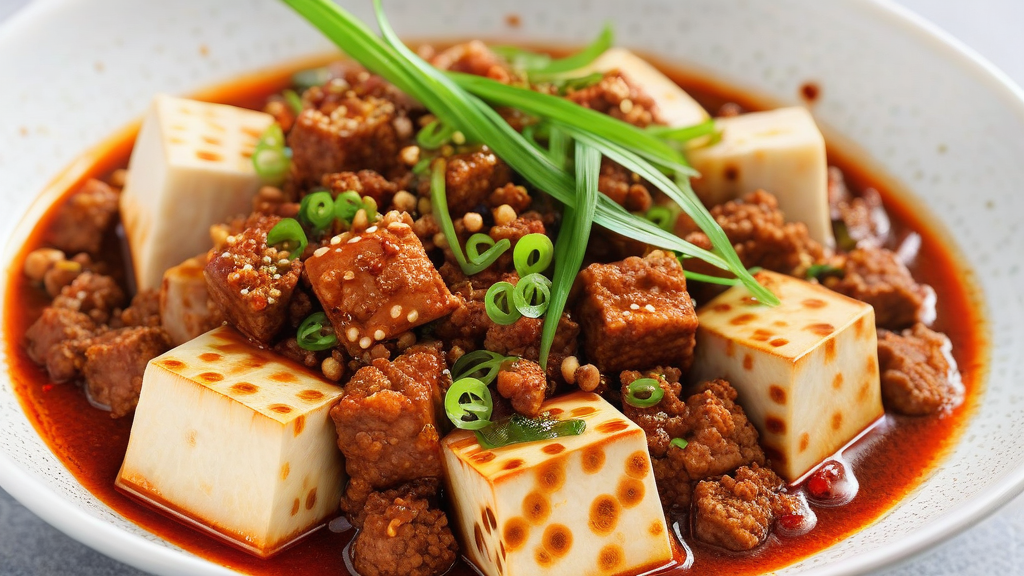
Let’s start with the dish that ruined all other tofu for me. Mapo tofu is a perfect storm: silky soft tofu cubes swimming in a fiery, oily sauce loaded with ground pork, doubanjiang (fermented broad bean paste), and whole Sichuan peppercorns. The name means “pockmarked old woman’s tofu” – yes, really – but don’t let that put you off. The story goes that a elderly woman with a scarred face invented it in Chengdu’s old city. She was a genius.
What to look for: The tofu should be so tender it practically dissolves, and the sauce should be deep red, not orange. A good mapo tofu will make your tongue go numb (麻 – má) about 10 seconds after the first bite. The heat hits you at the back of the throat, not the tip of the tongue. I’ve had it at tourist spots that charge ¥48 a bowl, and at a hole-in-the-wall near my apartment that charges ¥15. The cheap one was better.
My tip: Eat it with plain white rice – the starch cuts through the oil and helps you survive. And don’t be a hero: order it as “少麻辣 (shǎo má là – less numbing and spicy)” if it’s your first time. No shame.
Where I’d take a friend: Chen Mapo Tofu (陈麻婆豆腐) on West Yulong Street in Chengdu. It’s a little famous, but for good reason. The original branch has been open since the 1860s. Yes, that old.
2. Gong Bao Ji Ding (宫保鸡丁) – The King Kong of Chicken
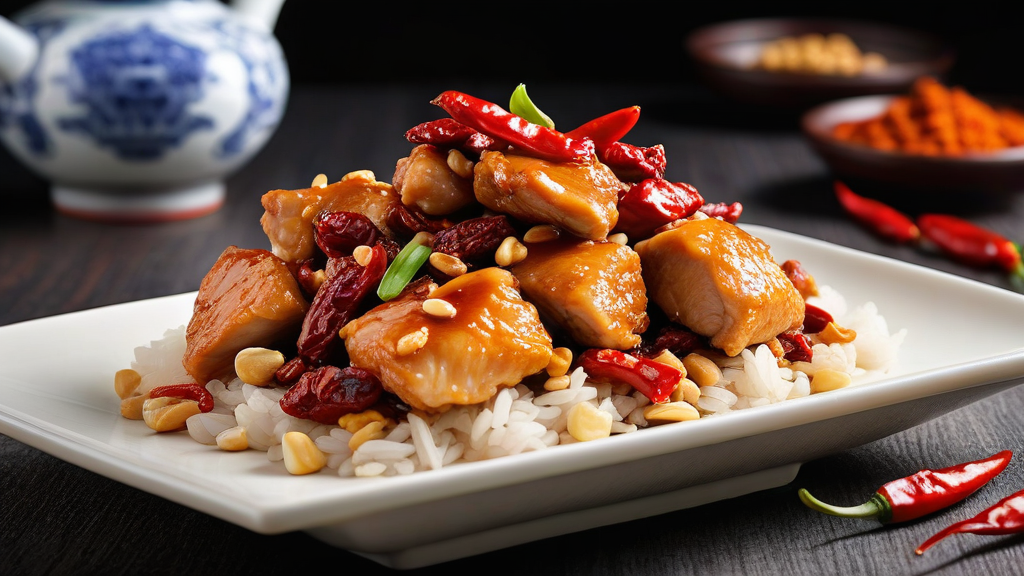
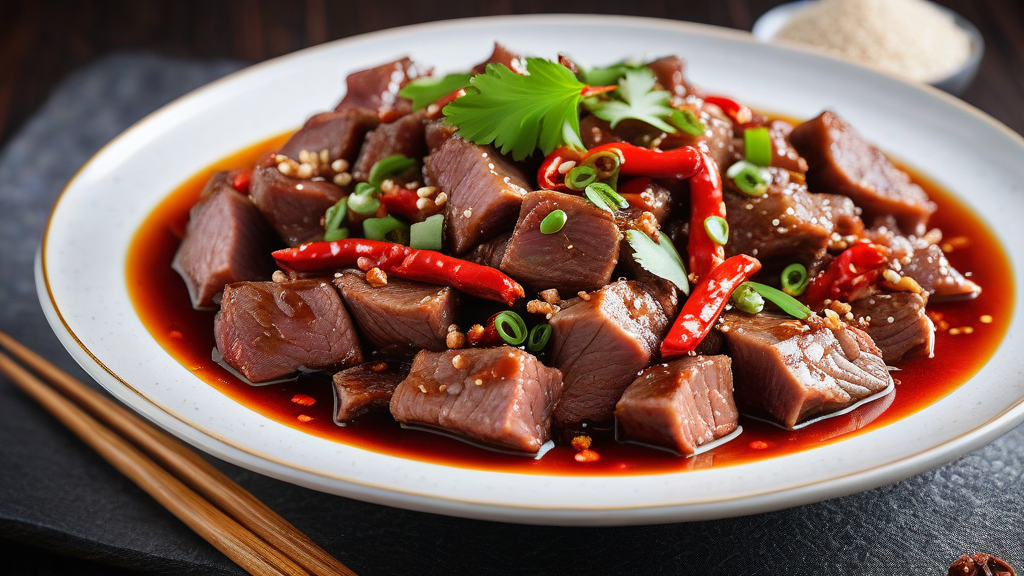
You’ve probably had “Kung Pao Chicken” at your local Chinese takeaway back home. Throw that memory in the bin. The real thing – gōng bǎo jī dīng – is a revelation. Cubes of chicken thigh (never breast – that’s a crime) stir-fried with dried chillies, Sichuan peppercorns, roasted peanuts, and a sweet-tangy sauce that’s smoky rather than syrupy.
The twist: The dish is named after a Qing Dynasty official, Ding Baozhen, who was governor of Sichuan. He loved it so much his title (Gongbao, meaning “Palace Guardian”) got attached to the recipe. So you’re eating a piece of history that tastes like a party.
Where I’ve had the best: At a tiny “fly restaurant” (that’s what locals call “苍蝇店 – cāng yíng diàn, literally “fly shop” for tiny, cheap eateries) in Leshan, a city south of Chengdu. The chicken was wok-fried at insane heat, giving it that smoky 锅气 (wok hei – breath of the wok) that’s impossible to replicate at home. Cost me ¥28.
Watch out: Most Western versions use too much sugar and no peppercorns. Real gong bao doesn’t numb you – it teases you. The chillies are dried and fried till they’re almost black, so they’re crunchy, not wet. Don’t eat them unless you’re a masochist, but do let them flavour the oil.
3. Sichuan Hot Pot (囊靿火锅) – The Social Sport
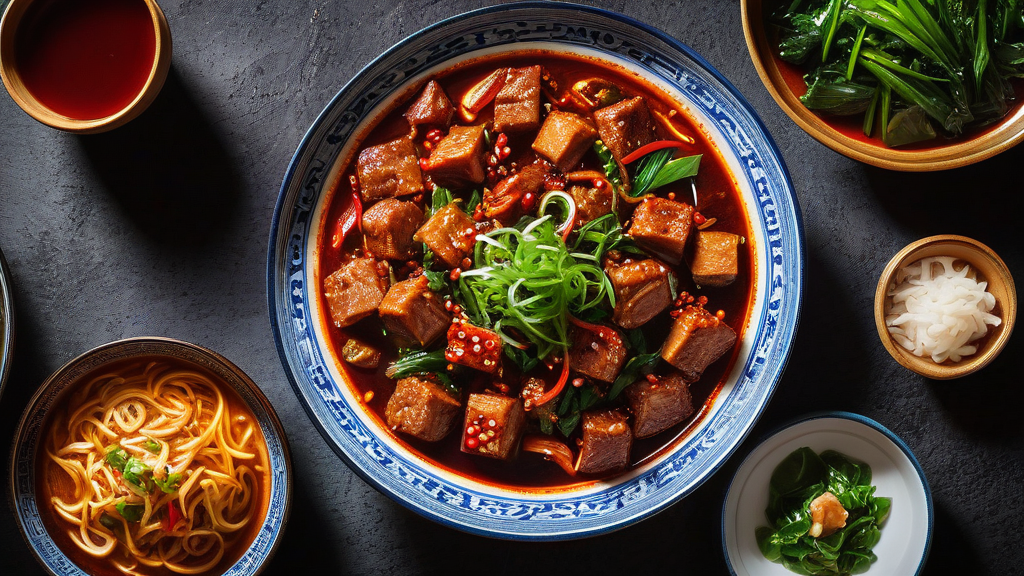
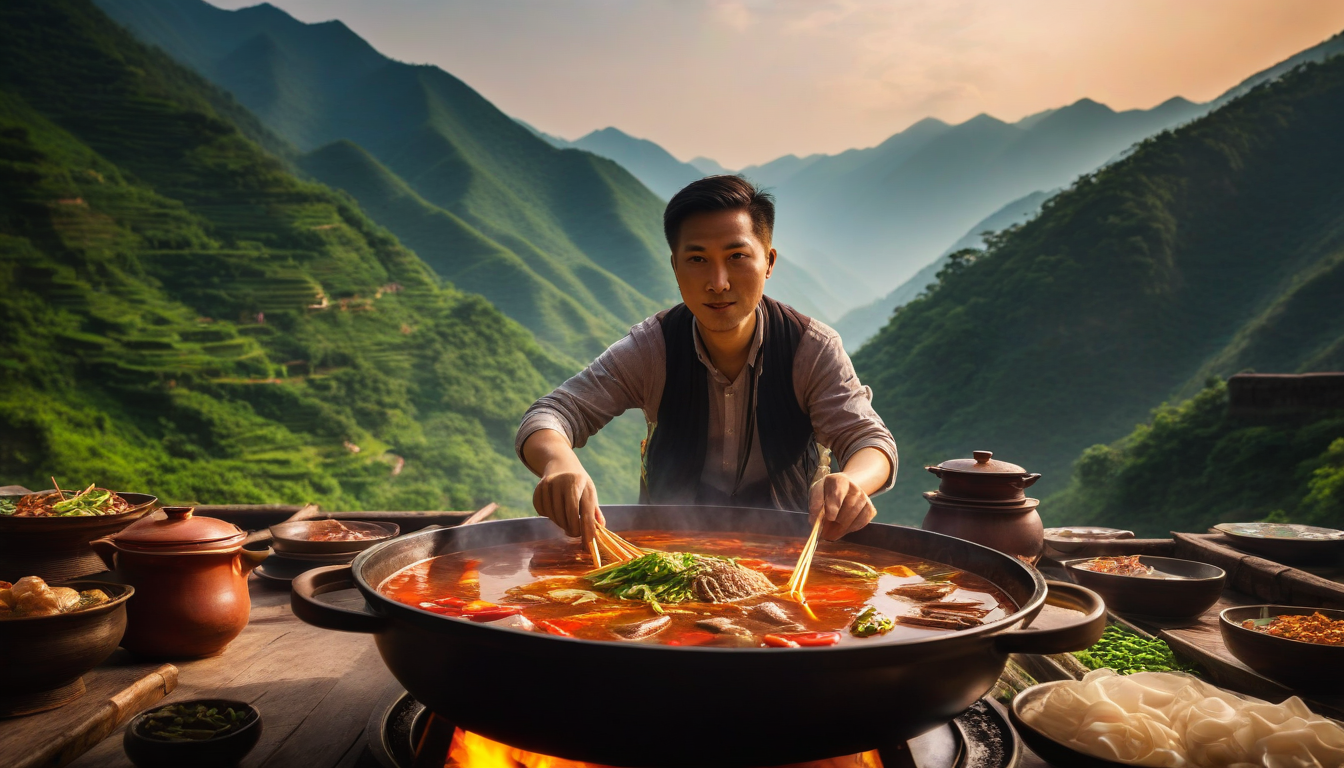
Look, I know hot pot is everywhere in China. But Sichuan hot pot is different. The broth is a brick-red river of beef tallow, dried chillies, Sichuan peppercorns, star anise, and a dozen other spices that simmer for hours. You dip raw meat, vegetables, and tofu-based ingredients into the bubbling cauldron, fish them out, then dip again into a personal bowl of sesame oil, garlic, and coriander.
Why it’s special: The sesame oil dip cools the heat. It’s genius. And the broth gets spicier the longer you cook, because the chillies keep releasing their oils. By minute 40, you’re sweating, laughing, and drinking cold beer like it’s medicine.
A real data point: The standard hot pot restaurant in Chengdu goes through about 50 kg of Sichuan peppercorns per month. The biggest chain, Haidilao, uses 100,000 kg annually. That’s insane.
My honest advice: Go with Chinese friends the first time. They’ll know which meats to order (fatty beef tripe, duck blood curd, pig brain if you’re brave) and how long to boil each thing. And never drink cold water while eating – it intensifies the capsaicin burn. Stick to soy milk or a cold beer.
Must-order item: 毛肃 (máo dù – beef tripe strips). They should be boiled for exactly 15 seconds – any longer and they turn into rubber bands.
4. Fuqi Feipian (夫妻肺片) – Not What It Sounds Like
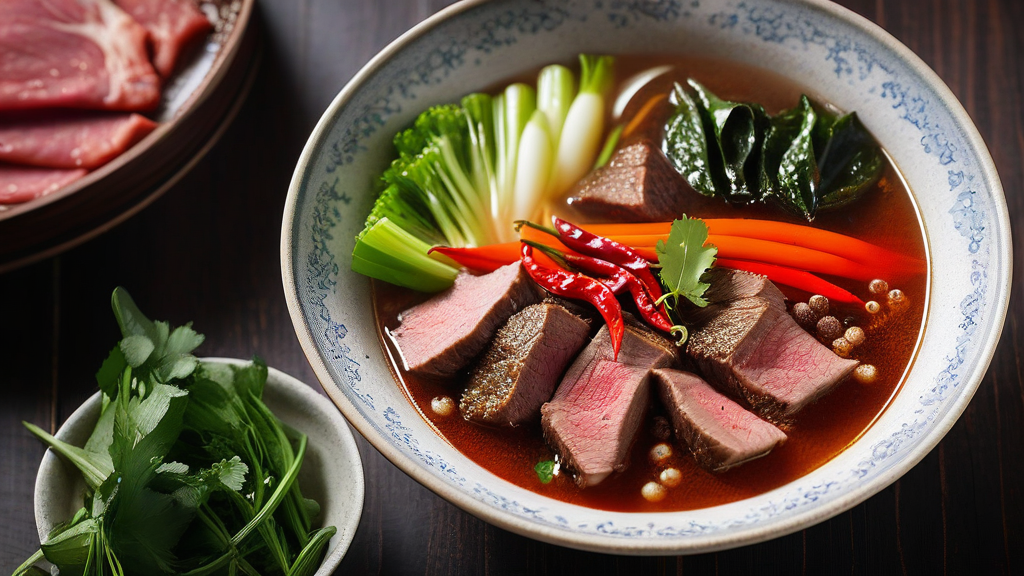
The name translates to “husband-and-wife lung slices,” which sounds terrifying. But it’s actually cold sliced beef offal (usually beef heart, tongue, and tripe, no lungs) tossed in a spicy, numbing sauce of chilli oil, Sichuan peppercorn powder, sesame, soy sauce, and sugar. Legend says it was invented by a married couple in Chengdu in the 1930s. The wife sold the meat, the husband the sauce. They got divorced eventually (don’t ask), but the dish stayed.
Flavour profile: It’s cold, so it’s a fantastic starter. The sauce is more aromatic than hot – you taste the five-spice first, then the heat builds slowly. The beef tongue is melt-in-your-mouth; the tripe is snappy. The sesame adds a nutty finish.
Price: At a decent restaurant, ¥35-45. At the old street stalls in Chengdu’s Jinli Ancient Street, you can get a takeaway box for ¥20. I always bring some back for my flatmates.
One warning: The oil can stain your clothes. I keep a bib in my bag for this exact purpose. Don’t judge me – you’d do the same if you’d ruined three good t-shirts.
5. Shuizhu Yu (水瞳鱼) – The Fish That Dares You
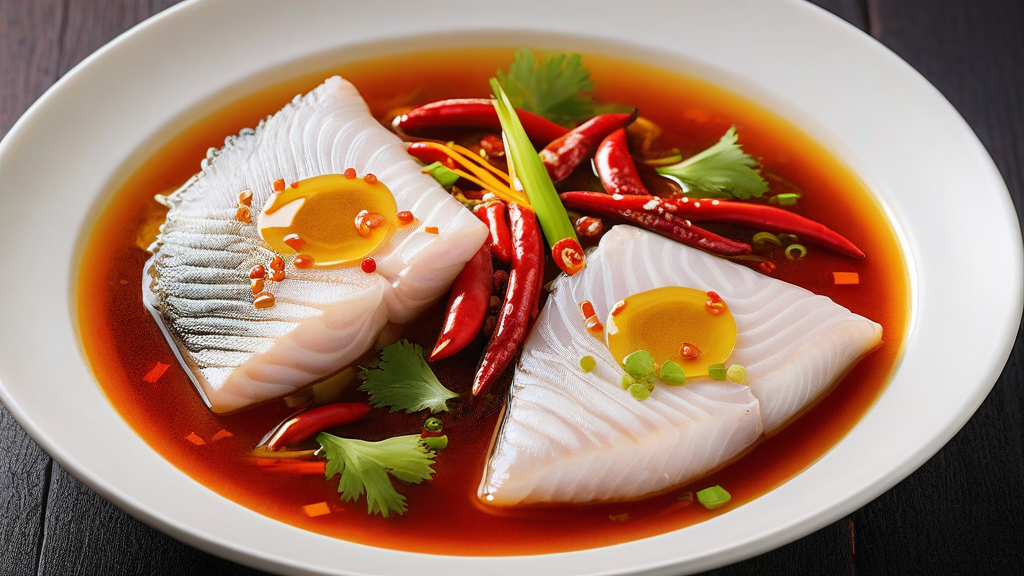
Shuizhu yu literally means “water-boiled fish,” but that’s a dirty lie. The fish (usually grass carp or black carp) is poached in a broth that’s then drenched in a smoking-hot oil loaded with dried chillies and Sichuan peppercorns. The oil sizzles and pops, cooking the chillies without burning them, and infusing the fish with pure aroma.
What makes it great: The fish is sliced thin, so it cooks in seconds. The broth is surprisingly mild – it’s the oil slick on top that has all the heat. So you can fish out pieces of fish from under the oil, dip them in your vinegar-soy-garlic sauce, and eat with rice. The chillies on top are just for show (and crunch, if you’re brave).
Best version I’ve had: At a restaurant called “Lazy Pot” (懒人鱼庄 – lǎn rén yú zhuāng) in Chongqing, where the fish is served in a huge steel bowl big enough to wash a dog. My group of four ate for ¥180 total, including beer.
Pro tip: Order it with “少油 (shǎo yóu – less oil)” if you’re watching your waistline. But honestly, the oil is where the flavour lives.
6. Dan Dan Mian (担担面) – The Silent Killer
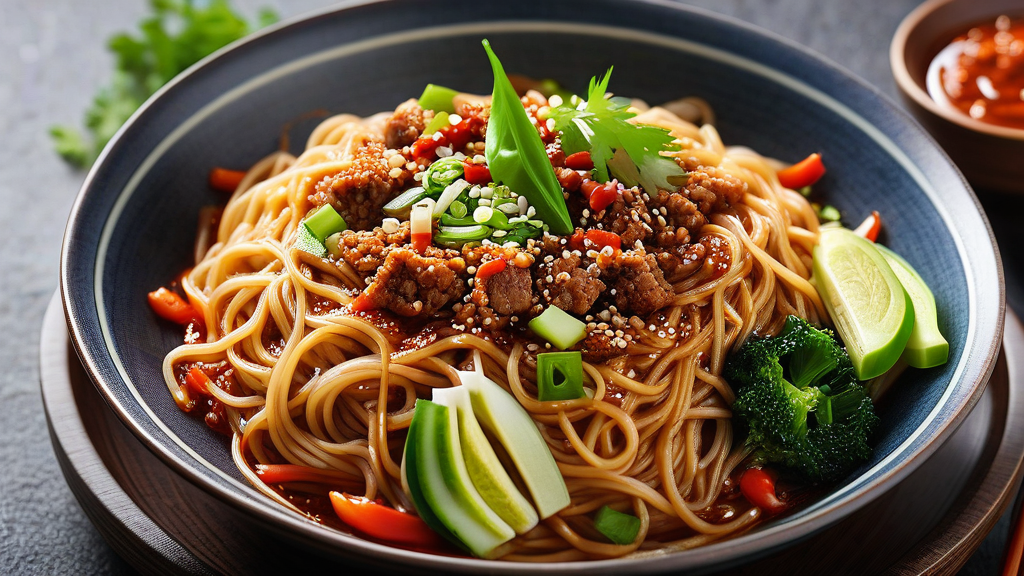
I started the article with this, so let me end with it. Dan dan noodles are simple on paper: wheat noodles, minced pork, crushed peanuts, preserved vegetables, and a sauce of chili oil, sesame paste, soy, vinegar, and Sichuan pepper. But the magic is in the proportion. The sauce coats the noodles like a velvety hug, then bites back.
Origin: They got their name from the bamboo pole (dàn dàn – 担担) that street vendors used to carry their wares – a pot of noodles on one end, a pot of sauce on the other. It’s street food elevated to art.
The texture: The noodles should be chewy (有劲道 – yǒu jìndào), and the sauce should be thick enough to cling. Most restaurants serve it as a “dry” noodle (no soup). Some versions include a little broth – those are called “清汤担担面 (qīng tāng dàn dàn miàn)” and are a good entry point for the faint-hearted.
My favourite spot: “Little Sister Dan Dan Noodles” (小妹担担面 – xiǎo mèi dàn dàn miàn) near the Wuhou Temple in Chengdu. ¥12 a bowl. I’ve seen grown men cry from happiness after one bite.
Comparison Table: Spice Levels and Must-Eats
Dish
Spice Level (1-5)
Numbness (1-5)
Best For
Average Price in Chengdu (¥)
Mapo Tofu
4
4
Tofu lovers, first-timers
15-25
Gong Bao Chicken
3
2
Anyone who likes stir-fry
28-40
Sichuan Hot Pot
5
4
Group dinner, adventurous eaters
80-150 per person
Fuqi Feipian
3
3
Cold appetizer, beer pairing
35-45
Shuizhu Fish
4
3
Fish lovers, special occasion
45-80
Dan Dan Noodles
3
2
Quick lunch, noodle addicts
10-15
Practical Tips for Eating Sichuan Food
Build up your tolerance. Start with dishes like gong bao chicken or dan dan noodles, then graduate to mapo tofu and hot pot. Give your stomach a week to adjust. I speak from experience – the first time I ate hot pot, I woke up at 3 AM with a burning in my chest that felt like betrayal.
Always order a cooling side. A cold cucumber salad with garlic and vinegar (凉拌黄瓜 – liáng bàn huáng guā), or a plate of steamed bok choy with oyster sauce. It resets your palate.
Beware the “spicy” that isn’t. Some restaurants outside Sichuan tone down the spice for foreigners. Ask for “川式麻辣 (chuān shì má là – Sichuan-style numbing spicy)” if you want the real deal. Most will respect your decision.
Learn to say “bù yào fàng táng” (不要放糖). Many Sichuan dishes contain a little sugar for balance, but some kitchens go overboard. If you prefer savoury, ask for no added sugar.
Carry a small packet of tissues. Sichuan restaurants often don’t provide napkins. Your nose will run. It’s part of the experience.
FAQ – Real Questions Real Tourists Ask Me
Q: I can’t handle spicy food. Is there anything for me in Sichuan?
A: Honestly? Sichuan isn’t all spicy. Dishes like “回锅肉 (huí guō ròu – twice-cooked pork)” have a mild, fermented bean paste kick but no heat. “鸡豆花 (jī dòu huā – chicken and bean jelly)” is cold and numbing without being spicy. And “川北凉粉 (chuān běi liáng fěn – northern Sichuan cold jelly noodles)” is just tangy and refreshing. You’ll survive. But honestly, why come to Sichuan and not try a little heat? Start with a half-spicy mapo tofu.
Q: What’s the best time of day for street food in Chengdu?
A: Evening, around 7 PM. That’s when the street stalls pop up, especially near universities. The 夏天完全没有空调 – summer is brutal without AC – but the food is best when it’s just cooked. Don’t eat street food that’s been sitting out more than an hour.
Q: Is it true that Sichuan food uses MSG?
A: Yes, and it’s fine. Most restaurants add a pinch to enhance savouriness. You can ask for “不放味精 (bù fàng wèijīng – no MSG),” but it’s seen as a bit weird. I wouldn’t worry – MSG occurs naturally in tomatoes and cheese.
Q: How do I eat hot pot without making a mess?
A: Never blow on your food – you’ll spray oil on everyone. Use the wire ladle to fish out ingredients, let them drip for a second, then dip in your personal sauce bowl. Don’t double-dip. Eat with the communal chopsticks for cooking, not your personal ones.
Q: Why does my tongue go numb? Is that normal?
A: Completely normal – that’s the Sichuan peppercorn (花椒 – huā jiāo) working. It contains hydroxy-alpha-sanshool, a chemical that causes a tingling sensation. It’s not pain, it’s a weird, addictive buzzing. Embrace it. Your tongue is just having the time of its life.
Closing Thought: This Food Changed How I See China
Before I moved here, I thought I understood Chinese food. I didn’t. Sichuan cuisine taught me that spice is not one-dimensional – it’s an orchestra. The chillies bring the energy, the peppercorns add the rhythm, and the fermented bean pastes, vinegars, and sugars provide the harmonies. Eating well in Sichuan is not just about filling your stomach; it’s about experiencing a region’s history, its climate (humid and grey – the spice keeps you warm), and its people’s resilience.
If you’re coming to China, don’t just go to Beijing or Shanghai. Come to Chengdu. Let a bowl of dan dan noodles ruin you for all other noodles. Your taste buds will never forgive you – but they’ll thank you.
敬你一杯 (Jìng nǐ yī bēi) – Cheers.
— Mark
P.S. If you want a specific restaurant recommendation, drop me a line. I’ve got a map on my phone with over 300 pins.
I’ll never forget my first real Sichuan meal. It was 2016, jet-lagged and cocky, I sat down at a random 老字号 (lǎo zì hào – old-brand restaurant) in Chengdu and ordered what I thought was a safe bowl of noodles. The waiter grinned. That should’ve been my first warning. Ten minutes later, I was crying into a bowl of dan dan noodles that tasted like heaven and napalm had a baby. My lips were buzzing, sweat pooled on my forehead, but I couldn’t stop. That’s the thing about Sichuan cuisine (川菜 – chuān cài) – it doesn’t just burn; it seduces you with layers of aroma, salt, sour, sweet, and that unique 麻 (má – numbing) sensation from Sichuan peppercorns.
After eight years of eating my way across the province, I’ve learned that “spicy” is the least interesting thing about this food. It’s about balance, technique, and a deep respect for ingredients that most Westerners miss entirely. So if you’re planning a trip to China, or just want to cook something that’ll wake up your taste buds, here are the six Sichuan dishes I tell every friend they have to try – and the honest truth about what to expect.
1. Mapo Tofu (麻婆豆腐) – The Queen of Comfort
Let’s start with the dish that ruined all other tofu for me. Mapo tofu is a perfect storm: silky soft tofu cubes swimming in a fiery, oily sauce loaded with ground pork, doubanjiang (fermented broad bean paste), and whole Sichuan peppercorns. The name means “pockmarked old woman’s tofu” – yes, really – but don’t let that put you off. The story goes that a elderly woman with a scarred face invented it in Chengdu’s old city. She was a genius.
What to look for: The tofu should be so tender it practically dissolves, and the sauce should be deep red, not orange. A good mapo tofu will make your tongue go numb (麻 – má) about 10 seconds after the first bite. The heat hits you at the back of the throat, not the tip of the tongue. I’ve had it at tourist spots that charge ¥48 a bowl, and at a hole-in-the-wall near my apartment that charges ¥15. The cheap one was better.
My tip: Eat it with plain white rice – the starch cuts through the oil and helps you survive. And don’t be a hero: order it as “少麻辣 (shǎo má là – less numbing and spicy)” if it’s your first time. No shame.
Where I’d take a friend: Chen Mapo Tofu (陈麻婆豆腐) on West Yulong Street in Chengdu. It’s a little famous, but for good reason. The original branch has been open since the 1860s. Yes, that old.
2. Gong Bao Ji Ding (宫保鸡丁) – The King Kong of Chicken
You’ve probably had “Kung Pao Chicken” at your local Chinese takeaway back home. Throw that memory in the bin. The real thing – gōng bǎo jī dīng – is a revelation. Cubes of chicken thigh (never breast – that’s a crime) stir-fried with dried chillies, Sichuan peppercorns, roasted peanuts, and a sweet-tangy sauce that’s smoky rather than syrupy.
The twist: The dish is named after a Qing Dynasty official, Ding Baozhen, who was governor of Sichuan. He loved it so much his title (Gongbao, meaning “Palace Guardian”) got attached to the recipe. So you’re eating a piece of history that tastes like a party.
Where I’ve had the best: At a tiny “fly restaurant” (that’s what locals call “苍蝇店 – cāng yíng diàn, literally “fly shop” for tiny, cheap eateries) in Leshan, a city south of Chengdu. The chicken was wok-fried at insane heat, giving it that smoky 锅气 (wok hei – breath of the wok) that’s impossible to replicate at home. Cost me ¥28.
Watch out: Most Western versions use too much sugar and no peppercorns. Real gong bao doesn’t numb you – it teases you. The chillies are dried and fried till they’re almost black, so they’re crunchy, not wet. Don’t eat them unless you’re a masochist, but do let them flavour the oil.
3. Sichuan Hot Pot (囊靿火锅) – The Social Sport
Look, I know hot pot is everywhere in China. But Sichuan hot pot is different. The broth is a brick-red river of beef tallow, dried chillies, Sichuan peppercorns, star anise, and a dozen other spices that simmer for hours. You dip raw meat, vegetables, and tofu-based ingredients into the bubbling cauldron, fish them out, then dip again into a personal bowl of sesame oil, garlic, and coriander.
Why it’s special: The sesame oil dip cools the heat. It’s genius. And the broth gets spicier the longer you cook, because the chillies keep releasing their oils. By minute 40, you’re sweating, laughing, and drinking cold beer like it’s medicine.
A real data point: The standard hot pot restaurant in Chengdu goes through about 50 kg of Sichuan peppercorns per month. The biggest chain, Haidilao, uses 100,000 kg annually. That’s insane.
My honest advice: Go with Chinese friends the first time. They’ll know which meats to order (fatty beef tripe, duck blood curd, pig brain if you’re brave) and how long to boil each thing. And never drink cold water while eating – it intensifies the capsaicin burn. Stick to soy milk or a cold beer.
Must-order item: 毛肃 (máo dù – beef tripe strips). They should be boiled for exactly 15 seconds – any longer and they turn into rubber bands.
4. Fuqi Feipian (夫妻肺片) – Not What It Sounds Like
The name translates to “husband-and-wife lung slices,” which sounds terrifying. But it’s actually cold sliced beef offal (usually beef heart, tongue, and tripe, no lungs) tossed in a spicy, numbing sauce of chilli oil, Sichuan peppercorn powder, sesame, soy sauce, and sugar. Legend says it was invented by a married couple in Chengdu in the 1930s. The wife sold the meat, the husband the sauce. They got divorced eventually (don’t ask), but the dish stayed.
Flavour profile: It’s cold, so it’s a fantastic starter. The sauce is more aromatic than hot – you taste the five-spice first, then the heat builds slowly. The beef tongue is melt-in-your-mouth; the tripe is snappy. The sesame adds a nutty finish.
Price: At a decent restaurant, ¥35-45. At the old street stalls in Chengdu’s Jinli Ancient Street, you can get a takeaway box for ¥20. I always bring some back for my flatmates.
One warning: The oil can stain your clothes. I keep a bib in my bag for this exact purpose. Don’t judge me – you’d do the same if you’d ruined three good t-shirts.
5. Shuizhu Yu (水瞳鱼) – The Fish That Dares You
Shuizhu yu literally means “water-boiled fish,” but that’s a dirty lie. The fish (usually grass carp or black carp) is poached in a broth that’s then drenched in a smoking-hot oil loaded with dried chillies and Sichuan peppercorns. The oil sizzles and pops, cooking the chillies without burning them, and infusing the fish with pure aroma.
What makes it great: The fish is sliced thin, so it cooks in seconds. The broth is surprisingly mild – it’s the oil slick on top that has all the heat. So you can fish out pieces of fish from under the oil, dip them in your vinegar-soy-garlic sauce, and eat with rice. The chillies on top are just for show (and crunch, if you’re brave).
Best version I’ve had: At a restaurant called “Lazy Pot” (懒人鱼庄 – lǎn rén yú zhuāng) in Chongqing, where the fish is served in a huge steel bowl big enough to wash a dog. My group of four ate for ¥180 total, including beer.
Pro tip: Order it with “少油 (shǎo yóu – less oil)” if you’re watching your waistline. But honestly, the oil is where the flavour lives.
6. Dan Dan Mian (担担面) – The Silent Killer
I started the article with this, so let me end with it. Dan dan noodles are simple on paper: wheat noodles, minced pork, crushed peanuts, preserved vegetables, and a sauce of chili oil, sesame paste, soy, vinegar, and Sichuan pepper. But the magic is in the proportion. The sauce coats the noodles like a velvety hug, then bites back.
Origin: They got their name from the bamboo pole (dàn dàn – 担担) that street vendors used to carry their wares – a pot of noodles on one end, a pot of sauce on the other. It’s street food elevated to art.
The texture: The noodles should be chewy (有劲道 – yǒu jìndào), and the sauce should be thick enough to cling. Most restaurants serve it as a “dry” noodle (no soup). Some versions include a little broth – those are called “清汤担担面 (qīng tāng dàn dàn miàn)” and are a good entry point for the faint-hearted.
My favourite spot: “Little Sister Dan Dan Noodles” (小妹担担面 – xiǎo mèi dàn dàn miàn) near the Wuhou Temple in Chengdu. ¥12 a bowl. I’ve seen grown men cry from happiness after one bite.
Comparison Table: Spice Levels and Must-Eats
Dish
Spice Level (1-5)
Numbness (1-5)
Best For
Average Price in Chengdu (¥)
Mapo Tofu
4
4
Tofu lovers, first-timers
15-25
Gong Bao Chicken
3
2
Anyone who likes stir-fry
28-40
Sichuan Hot Pot
5
4
Group dinner, adventurous eaters
80-150 per person
Fuqi Feipian
3
3
Cold appetizer, beer pairing
35-45
Shuizhu Fish
4
3
Fish lovers, special occasion
45-80
Dan Dan Noodles
3
2
Quick lunch, noodle addicts
10-15
Practical Tips for Eating Sichuan Food
Build up your tolerance. Start with dishes like gong bao chicken or dan dan noodles, then graduate to mapo tofu and hot pot. Give your stomach a week to adjust. I speak from experience – the first time I ate hot pot, I woke up at 3 AM with a burning in my chest that felt like betrayal.
Always order a cooling side. A cold cucumber salad with garlic and vinegar (凉拌黄瓜 – liáng bàn huáng guā), or a plate of steamed bok choy with oyster sauce. It resets your palate.
Beware the “spicy” that isn’t. Some restaurants outside Sichuan tone down the spice for foreigners. Ask for “川式麻辣 (chuān shì má là – Sichuan-style numbing spicy)” if you want the real deal. Most will respect your decision.
Learn to say “bù yào fàng táng” (不要放糖). Many Sichuan dishes contain a little sugar for balance, but some kitchens go overboard. If you prefer savoury, ask for no added sugar.
Carry a small packet of tissues. Sichuan restaurants often don’t provide napkins. Your nose will run. It’s part of the experience.
FAQ – Real Questions Real Tourists Ask Me
Q: I can’t handle spicy food. Is there anything for me in Sichuan?
A: Honestly? Sichuan isn’t all spicy. Dishes like “回锅肉 (huí guō ròu – twice-cooked pork)” have a mild, fermented bean paste kick but no heat. “鸡豆花 (jī dòu huā – chicken and bean jelly)” is cold and numbing without being spicy. And “川北凉粉 (chuān běi liáng fěn – northern Sichuan cold jelly noodles)” is just tangy and refreshing. You’ll survive. But honestly, why come to Sichuan and not try a little heat? Start with a half-spicy mapo tofu.
Q: What’s the best time of day for street food in Chengdu?
A: Evening, around 7 PM. That’s when the street stalls pop up, especially near universities. The 夏天完全没有空调 – summer is brutal without AC – but the food is best when it’s just cooked. Don’t eat street food that’s been sitting out more than an hour.
Q: Is it true that Sichuan food uses MSG?
A: Yes, and it’s fine. Most restaurants add a pinch to enhance savouriness. You can ask for “不放味精 (bù fàng wèijīng – no MSG),” but it’s seen as a bit weird. I wouldn’t worry – MSG occurs naturally in tomatoes and cheese.
Q: How do I eat hot pot without making a mess?
A: Never blow on your food – you’ll spray oil on everyone. Use the wire ladle to fish out ingredients, let them drip for a second, then dip in your personal sauce bowl. Don’t double-dip. Eat with the communal chopsticks for cooking, not your personal ones.
Q: Why does my tongue go numb? Is that normal?
A: Completely normal – that’s the Sichuan peppercorn (花椒 – huā jiāo) working. It contains hydroxy-alpha-sanshool, a chemical that causes a tingling sensation. It’s not pain, it’s a weird, addictive buzzing. Embrace it. Your tongue is just having the time of its life.
Closing Thought: This Food Changed How I See China
Before I moved here, I thought I understood Chinese food. I didn’t. Sichuan cuisine taught me that spice is not one-dimensional – it’s an orchestra. The chillies bring the energy, the peppercorns add the rhythm, and the fermented bean pastes, vinegars, and sugars provide the harmonies. Eating well in Sichuan is not just about filling your stomach; it’s about experiencing a region’s history, its climate (humid and grey – the spice keeps you warm), and its people’s resilience.
If you’re coming to China, don’t just go to Beijing or Shanghai. Come to Chengdu. Let a bowl of dan dan noodles ruin you for all other noodles. Your taste buds will never forgive you – but they’ll thank you.
敬你一杯 (Jìng nǐ yī bēi) – Cheers.
— Mark
P.S. If you want a specific restaurant recommendation, drop me a line. I’ve got a map on my phone with over 300 pins.
Wondering how much you need to earn to live in Shanghai? We break down average salaries, monthly expenses, and sample budgets for singles and families. Discover if your salary is enough for a comfortable life…
I’ll never forget my first real Sichuan hotpot. I walked into a tiny joint in Chengdu, the air so thick with chili fumes my eyes started watering before I even sat down. Eight years later,…
Is China safer than the US? Compare crime rates, gun violence, police efficiency, and public perception. See why China's murder rate is 12x lower and 90% of residents feel safe at night.
One thought on “Sichuan Food: 6 Dishes That’ll Make You Forget About Everything Else (I’m Mark, and I’m Obsessed)”
Mapo tofu changed my life. I dream about that numbing sensation. Marks passion is contagious!
Mapo tofu changed my life. I dream about that numbing sensation. Marks passion is contagious!